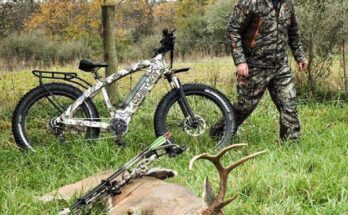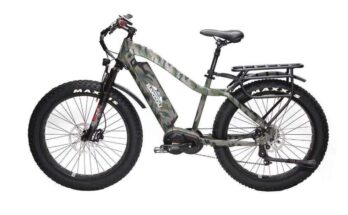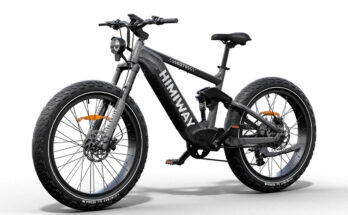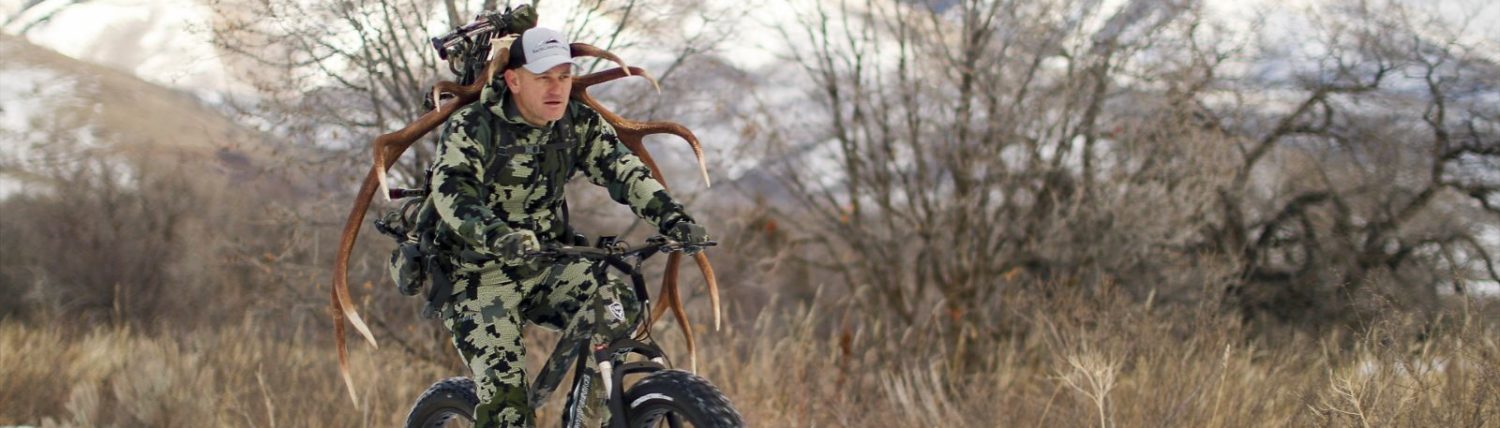
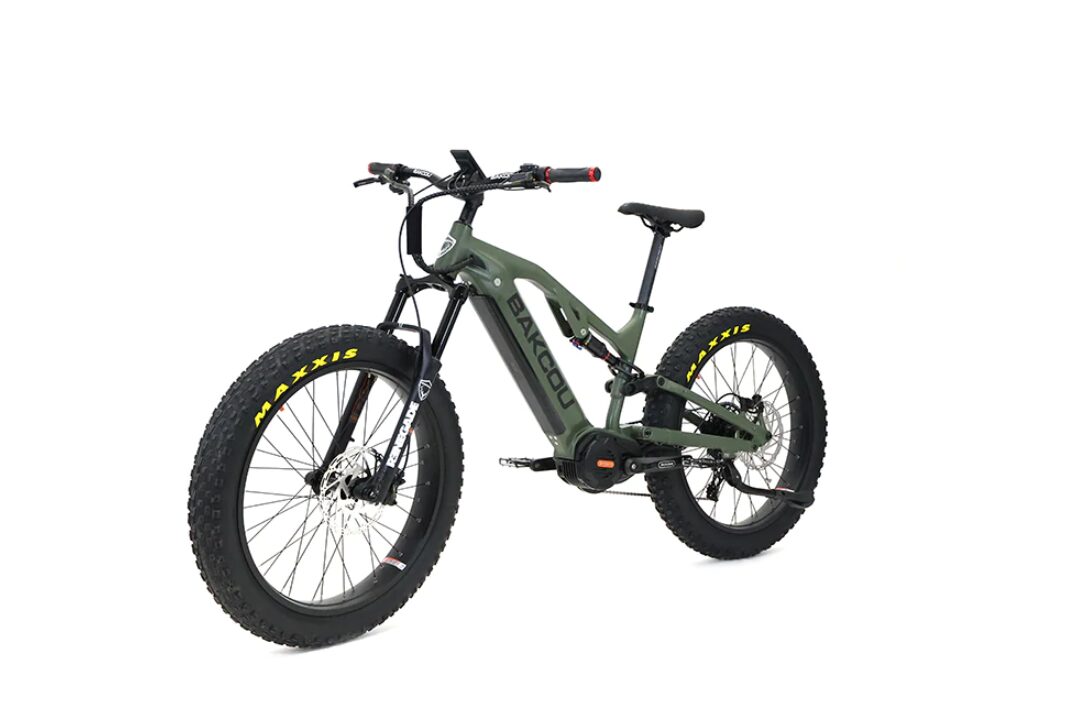
If I had a dollar for every time someone asked me, “Should I get a QuietKat or a Bakcou?” I could probably buy one of each. It’s the single most common question I hear from hunters shopping for an electric bike. And honestly, it’s a fair question. Both brands have planted their flag firmly in the hunting market, and both make solid bikes. But they’re not the same, and depending on what kind of hunting you do, one might be a significantly better fit than the other.
I’ve spent enough seasons hauling gear through Midwest timber and across open fields to have some real opinions here. Not internet opinions. Field opinions. So let me break this down the way I wish someone had broken it down for me before I started riding.
Brand Backgrounds: Two Different Paths to the Same Woods
QuietKat has been around since 2012, and they were one of the first companies to seriously market electric bikes to hunters. Their whole brand identity revolves around stealth. The name says it all. They’ve done a good job building awareness through retail partnerships and marketing, and you’ll find their bikes at major outdoor retailers. They offer a wide lineup ranging from around $2,000 to nearly $4,000, which means they cover a lot of budgets.
Bakcou came along a bit later, founded by hunters in Utah who wanted something tougher for backcountry elk and mule deer hunts. Their philosophy leans more toward raw capability. Bigger motors, beefier frames, components that can handle punishment. They’re not as widely distributed at big box stores, but they’ve built a loyal following among serious hunters who prioritize performance over price. Their lineup runs from about $3,700 up to nearly $8,000 for their premium Jager models.
Think of it this way: QuietKat is the approachable brand that got a lot of hunters interested in e-bikes. Bakcou is the brand that a lot of those hunters graduate to when they want more.
Head-to-Head: Category by Category
Motor and Drivetrain
Both brands use Bafang motors, which is the industry standard for hunting e-bikes. But how they implement those motors is where things diverge.
QuietKat uses mid-drive Bafang motors across most of their lineup, from the entry-level Ranger XR all the way up to the Apex XD. They also offer the Ranger AWD with dual motors for all-wheel drive capability. Their motors generally deliver solid, reliable performance for most hunting scenarios.
Bakcou gives you more variety in motor configuration. The Flatlander SD uses a hub motor, which is simpler and works great on flat to moderate terrain (perfect for Midwest food plot runs, if I’m being honest). The Mule SD and Scout run mid-drive setups with strong torque for hill climbing. And the Kodiak SD AWD pairs dual motors for all-wheel drive traction that I’ve found genuinely useful in mud, snow, and loose gravel.
My take? For sheer climbing power and torque, the Bakcou mid-drive bikes have a slight edge. The motors feel like they have more grunt when you’re grinding uphill with a loaded pack. QuietKat’s motors are perfectly capable, but Bakcou’s implementation tends to feel more robust under heavy load.
Battery and Range
Range is where things get tricky, because real-world range depends on terrain, rider weight, cargo, assist level, and about a dozen other factors. Manufacturer claims are best treated as optimistic estimates.
QuietKat equips their bikes with decent battery packs that typically deliver somewhere in the 25 to 40 mile range under mixed conditions. For a morning hunt where you’re riding a few miles in and a few miles out, that’s usually plenty. The Apex lineup comes with larger capacity batteries that push toward the higher end of that range.
Bakcou tends to spec larger batteries, particularly on their mid-range and premium models. The Mule SD and Scout both come with substantial battery packs, and real-world range in the 30 to 50 mile neighborhood is realistic with moderate pedal assist. I’ve personally done full-day hunts on a single charge without any anxiety, which matters when you’re miles from the truck.
Both brands offer the option to carry a spare battery, which I always recommend for extended backcountry trips regardless of brand. But if range per charge is a priority, Bakcou generally gives you more juice out of the box.
Frame and Suspension
This is a category where Bakcou really differentiates itself.
QuietKat offers hardtail frames across most of their lineup. The frames are aluminum and well-built for the price, but you’re not getting a lot of suspension travel. For groomed trails and relatively smooth terrain, that’s fine. Some of their models include front suspension forks, which help with bumps and roots.
Bakcou offers both hardtail and full-suspension options. The Scout is their full-suspension platform, and it’s a game-changer on rough terrain. I remember the first time I rode a full-suspension hunting bike down a rocky two-track that I’d been white-knuckling on a hardtail for two seasons. Night and day difference. Your body doesn’t take the beating, your gear stays put, and you maintain better control at speed.
The Bakcou hardtails (Mule SD, Flatlander SD, Kodiak SD AWD) use sturdy frames that feel overbuilt in the best way. They’re designed to handle the kind of abuse that comes with hunting use, not just weekend trail riding.
If your terrain is rough, rocky, or involves significant elevation changes, Bakcou’s frame and suspension options give you more to work with. Period.
Tire Choices
Here’s an interesting split. Bakcou runs 26×4″ fat tires on most of their hardtail models (Mule SD, Flatlander SD, Kodiak SD AWD). Fat tires give you flotation in sand, mud, and snow. They grip well on loose surfaces and provide a cushioning effect that partially compensates for a hardtail frame. The Scout takes a different approach with 27.5×2.8″ trail tires, which roll faster and handle better on mixed terrain.
QuietKat also uses fat tires on several models, and their tire choices are generally appropriate for the bikes’ intended use. You’ll find a mix of tire widths across their lineup depending on the model.
For Midwest hunting specifically, fat tires are hard to beat. Frozen two-tracks in November, muddy field edges in spring turkey season, snowy access roads during late season. They handle all of it. But if you’re covering longer distances on harder surfaces, the Scout’s trail tires are noticeably more efficient.
Noise Levels
Let’s give credit where it’s due. QuietKat has built their entire brand around being quiet, and they deliver on that promise. Their bikes are genuinely whisper-quiet at low assist levels. If stealth is your absolute top priority, and for a lot of whitetail hunters it should be, QuietKat has earned their reputation here.
That said, Bakcou bikes aren’t loud. They’re not ATVs. At low pedal assist, any quality mid-drive e-bike is going to be pretty quiet. The motor whir is minimal, and at the speeds you’d be traveling near a stand or blind, you’re not going to blow out every deer in the county. I’ve ridden Bakcou bikes to within a few hundred yards of my stands without issue. But in a direct side-by-side comparison at the same speed and assist level, QuietKat does tend to be a touch quieter.
Here’s my honest opinion on noise, though. Wind in the trees, a nearby creek, even crunching leaves under your tires are all louder than either brand’s motor at low assist. The noise difference between these two brands is real but smaller than marketing would have you believe. Don’t choose your bike based on noise alone.
Weight Capacity and Hauling
Hunters don’t ride empty-handed. Between a bow or rifle, a pack, extra layers, and hopefully a deer on the way out, weight capacity matters.
Bakcou bikes generally spec higher weight capacities, with most models rated for 300 pounds or more including rider. The frames are built beefy, and it shows. I’ve seen guys load up a Mule with a quartered whitetail and gear and the bike handled it like a pack mule (fitting name, right?).
QuietKat bikes have respectable weight ratings as well, typically in the 300-pound range for rider plus cargo. They’re not weak by any means. But the overall frame construction on Bakcou feels like it was designed from the start to haul heavy loads over rough terrain, while QuietKat frames feel more optimized for rider comfort and general trail use.
Both brands offer trailer hitches and accessory mounts. If you’re planning to tow a game cart or trailer, either brand can handle it. But for raw hauling confidence, Bakcou gets my nod.
Price Range
This is where QuietKat has a clear advantage for budget-conscious hunters.
The QuietKat Ranger XR at $1,999.99 is a legitimate entry point into hunting e-bikes. It’s a mid-drive bike at a price that doesn’t require a second mortgage. The Apex HD at $2,799 steps things up nicely, and even the flagship Apex XD at $3,799 is competitive. Their lineup covers the $2,000 to $3,800 range, which is accessible for a lot of hunters.
Bakcou starts higher. The most affordable option is the Flatlander SD at $3,699, and prices climb to $4,199 for the Kodiak SD AWD, $4,799 to $4,999 for the Scout, $5,599 for the Mule SD, and all the way up to $7,799 for the Scout Jager. That’s a significant investment.
Is Bakcou worth the premium? For serious hunters who ride frequently and demand top-tier components, yes. But I’d never tell someone who hunts a few weekends a year that they need to spend $5,500 on a bike. That’s where QuietKat’s lower entry points make a lot of sense.
Camo and Hunting-Specific Features
Both brands understand their audience. You’ll find camo color options from both QuietKat and Bakcou, because nobody wants to ride a neon green bike to their tree stand.
Bakcou tends to go deeper on hunting-specific design touches. Their bikes often feel like they were designed by hunters who ride, rather than cyclists who hunt. Small things like rack mounting points positioned for gear bins, frame geometry that accommodates a bow holder, and color schemes that actually blend in rather than just looking “outdoorsy.”
QuietKat has improved their hunting-specific accessories over the years and offers gun boots, bow racks, and other add-ons. Their accessory ecosystem is solid and well-thought-out.
Both brands offer integrated lighting, which is useful for pre-dawn rides to the stand. Neither brand skimps on the details that hunters care about. This category is close to a draw, with Bakcou having a slight edge in overall design philosophy.
Warranty and Dealer Support
QuietKat benefits from wider retail distribution. You can find them at several major outdoor retailers, which makes it easier to see one in person before buying. Their warranty coverage is reasonable, and their customer service has improved over the years.
Bakcou works through a network of specialty dealers, including online retailers like eBike Generation that focus specifically on electric bikes. The advantage here is that you’re buying from people who actually know e-bikes inside and out, not a big-box employee who also sells kayaks and camping stoves. Bakcou’s warranty is competitive, and their dealer network tends to provide more knowledgeable support.
For warranty and support, I’d call this one even but different. QuietKat gives you convenience of access. Bakcou gives you depth of expertise.
Best Bakcou for Different Hunters
The budget-minded hunter who wants Bakcou quality: The Flatlander SD ($3,699) is your entry point. The hub motor is simple and reliable, and if you’re hunting flat to moderate terrain (food plots, field edges, logging roads), it does everything you need without the complexity of a mid-drive.
The all-conditions hunter: The Kodiak SD AWD ($4,199) is a beast in mud, snow, and loose terrain. If you hunt late season in the snow or deal with sloppy conditions regularly, the dual-motor AWD system is worth every penny. I’ve watched this bike crawl through conditions that would stop a single-motor bike cold.
The hill-country hunter: The Mule SD ($5,599) is the workhorse. Mid-drive torque for climbing, fat tires for traction, and a frame built to haul. If you’re hunting ridges and hollows, this is your bike.
The hunter who wants the best ride quality: The Scout ($4,799/$4,999) with full suspension is the most comfortable and capable bike in the Bakcou lineup for its price. The 27.5″ trail tires roll efficiently, the suspension soaks up rough terrain, and the mid-drive motor handles climbs with ease. This is my personal favorite in the Bakcou lineup for Midwest hunting.
Best QuietKat for Different Hunters
The first-time e-bike hunter on a budget: The Ranger XR ($1,999.99) is the best value entry point in hunting e-bikes, period. It’s a mid-drive bike under two grand. If you’re not sure whether an e-bike fits your hunting style, this is the way to find out without a massive financial commitment.
The hunter who wants capability without breaking the bank: The Apex HD ($2,799) hits a sweet spot. It steps up from the Ranger in meaningful ways while staying under three grand. For most hunters doing 2 to 5 mile rides to their spots, this bike will do everything they need.
The all-conditions hunter on a moderate budget: The Ranger AWD ($2,999.99) gives you dual-motor all-wheel drive for three grand. That’s significantly less than the Bakcou Kodiak SD AWD, and while the overall build quality isn’t quite at the same level, the AWD functionality is there when you need it.
The hunter who wants QuietKat’s best: The Apex XD ($3,799) is their flagship, and at that price you’re getting a well-equipped mid-drive hunting bike with quality components. It competes on price with Bakcou’s entry-level Flatlander SD, but takes a different approach with its mid-drive motor.
The Bottom Line
I’m going to be straight with you, because that’s the only way I know how to do this.
If you have less than $3,500 to spend, QuietKat is your brand. The Ranger XR and Apex HD offer legitimate hunting capability at prices that Bakcou simply can’t match. There’s no shame in riding a QuietKat. They’re good bikes that get the job done. The Ranger XR in particular is the best value in the hunting e-bike market right now.
If you have $3,700 or more to spend and you want the most capable, durable, hunt-ready bike you can get, Bakcou pulls ahead. The build quality is tangibly better. The motors feel stronger under load. The frames inspire more confidence on rough terrain. And options like the Scout’s full suspension and the Kodiak’s AWD give you capabilities that QuietKat doesn’t currently match at any price.
Here’s what I tell buddies at deer camp. If you’re buying your first hunting e-bike, start with a QuietKat Ranger XR or Apex HD. Learn what you like, learn what matters to you, and figure out if e-bike hunting fits your style. If you already know you’re all in on e-bike hunting, and you want a bike that will handle anything you throw at it for years to come, save up for a Bakcou.
Both brands make bikes that will get you to your stand quieter and fresher than walking. Both will haul your gear. Both will change how you hunt. The “best” one is the one that fits your terrain, your hunting style, and your budget.
At the end of the day, the best hunting e-bike is the one that gets you deeper into the woods more often. Whether that’s a $2,000 QuietKat or a $5,600 Bakcou, the deer don’t care what brand you’re riding. They just care whether you showed up.
Hunt smart. Ride quiet. And if you see me on a two-track in southern Iowa, give a wave.