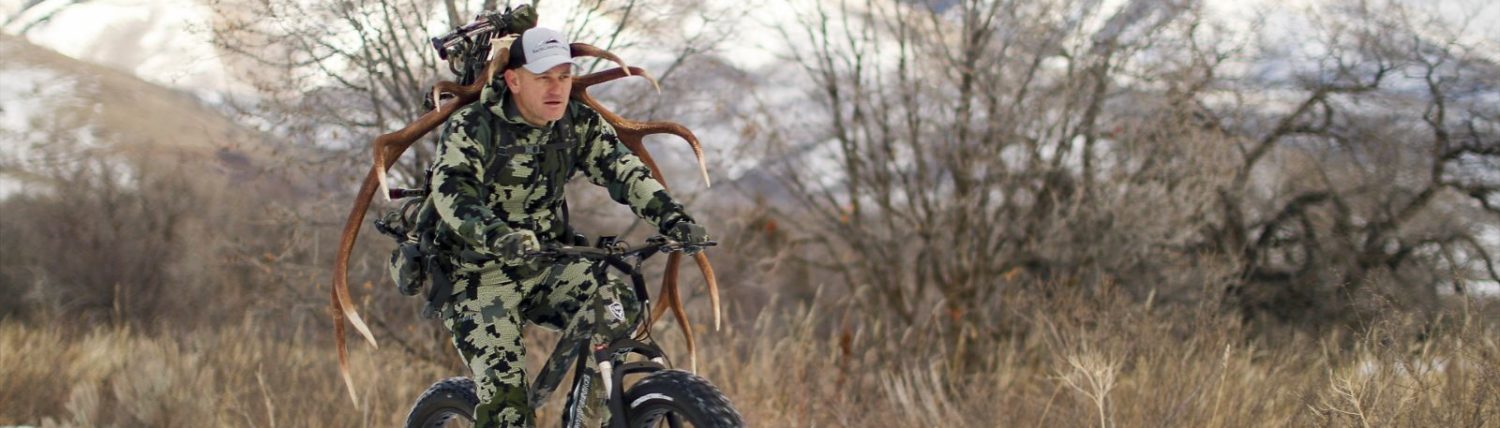
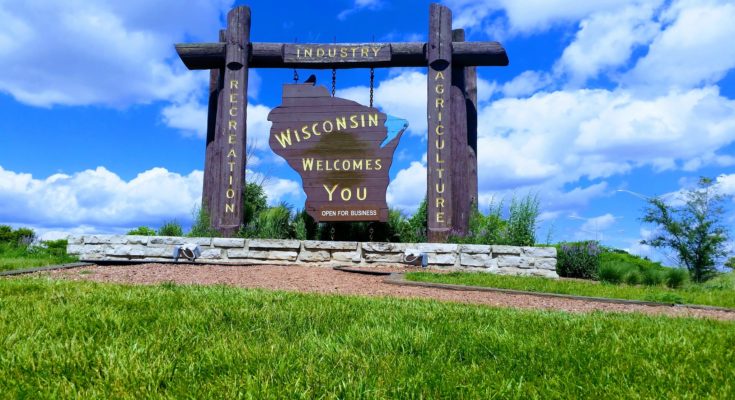
Wisconsin opening day is sacred. I don’t care if you grew up in the state or just visit, there’s nothing quite like the energy of 500,000-plus hunters taking to the woods on the same Saturday in November. I’ve hunted the Driftless Area in the southwest corner and the big timber up near the Michigan border, and both blew me away for different reasons. Wisconsin may not get the trophy-whitetail headlines that Iowa or Illinois do, but the deer are here, the public land is abundant, and the hunting culture runs deeper than just about anywhere I’ve been.
Wisconsin Hunting Regulations Overview
The Wisconsin Department of Natural Resources (WDNR) manages hunting licenses through their Go Wild system. Licenses are available online, and Wisconsin offers both resident and non-resident options. A Hunter Education certificate is required. Wisconsin uses bonus antlerless tags and earn-a-buck provisions in some units to manage the herd.
Wisconsin’s deer season includes an archery season from mid-September through early January, a gun deer season of nine days in late November (the big one), a muzzleloader season in late November/December, and a four-day antlerless-only holiday hunt in some units. The state is divided into deer management units, each with specific regulations on bag limits and antlerless permit availability. Wisconsin has been managing CWD (Chronic Wasting Disease) in parts of the southern and southwestern portions of the state for years, which affects regulations in certain units, including mandatory testing and carcass movement restrictions. Spring turkey season runs from mid-April through late May across multiple time periods, with permits drawn by lottery. Always check the WDNR for current season details and CWD zone requirements. For complete season dates and regulations, visit the WDNR hunting page.
Wisconsin requires blaze orange or fluorescent pink during gun deer season, a hat plus a coat or vest, visible from all sides.
E-Bike Regulations for Hunters in Wisconsin
Updated March 2026, E-bike regulations are constantly evolving. Always check the rules for your local jurisdiction before heading out.
Wisconsin enacted ebike legislation adopting the three-class system. Class 1, 2, and 3 ebikes are defined and generally treated as bicycles on roads and certain trails. The state allows ebikes on state trails where bicycles are permitted, unless a specific trail is posted otherwise.
On WDNR-managed properties, including state forests, wildlife areas, and fishery areas, the situation is more nuanced. Wisconsin state forests generally allow bicycles on designated off-road bike trails and multi-use trails, and ebikes may be permitted on these same trails. However, wildlife areas and other hunting-specific properties often restrict motorized vehicle use to designated roads and parking lots. The WDNR has addressed ebike use on some property types but hasn’t issued a single definitive policy covering every state-managed hunting property. Check the property’s specific master plan or contact the property manager.
The Chequamegon-Nicolet National Forest in northern Wisconsin, covering over 1.5 million acres, follows US Forest Service ebike guidelines. Check the Chequamegon-Nicolet maps and publications page for Motor Vehicle Use Maps (MVUMs). Ebikes are generally allowed on roads and trails open to bicycle use. This is outstanding news for Wisconsin hunters, as the national forest offers vast public land with an extensive road and trail system. Between the national forest and Wisconsin’s many county forests (which are a major public land resource unique to Wisconsin), there are significant ebike access opportunities in the northern part of the state. County forest rules vary by county, check with the specific county forestry department.
Top Game Species
- White-tailed Deer, Wisconsin’s deer herd is the cornerstone of the state’s hunting tradition. The farmland counties of the south and the big woods of the north offer distinctly different hunting experiences. Buffalo, Iowa, and Vernon counties in the Driftless produce excellent bucks.
- Wild Turkey, Wisconsin’s turkey population has expanded dramatically, and spring gobbler hunting is increasingly popular. The Driftless Area and southern farmland counties offer the best turkey hunting.
- Black Bear, Northern Wisconsin supports a healthy bear population. Permits are drawn by lottery, and preference points can take years to accumulate, but the hunting is excellent.
- Ruffed Grouse, The aspen forests of northern Wisconsin are premier grouse habitat. The state manages extensive acreage of young forest specifically for grouse and woodcock production.
- Waterfowl, The Mississippi River corridor, Horicon Marsh, and dozens of smaller wetlands make Wisconsin a significant waterfowl state. The fall migration through the Mississippi Flyway brings enormous numbers of ducks and geese.
- Pheasant, Southwest Wisconsin and stocked public hunting grounds provide pheasant opportunities, though wild bird numbers are limited.
Best Regions for E-Bike Hunting
Driftless Area (Vernon, Crawford, Richland Counties): Southwest Wisconsin’s unglaciated terrain features steep, wooded ridges and deep agricultural valleys. This region produces some of Wisconsin’s best whitetails and turkey hunting. County roads and ridgetop lanes provide ebike access into country where the steep terrain keeps most hunters close to their vehicles. The hills are real, expect 300- to 500-foot elevation changes, but ridgeline riding is manageable and puts you in prime territory.
Chequamegon-Nicolet National Forest (Ashland, Vilas, Forest Counties): Northern Wisconsin’s national forest is a hunter’s paradise. Millions of acres of mixed forest, with gravel roads and old logging roads stretching for miles. The terrain is gently rolling, much easier riding than the Driftless, and you can access remote deer stands, grouse covers, and bear-baiting sites without disturbing the area. Fat-tire ebikes handle the sandy and sometimes muddy forest roads well.
Central Wisconsin County Forests (Marathon, Clark, Taylor Counties): Wisconsin’s county forest system provides enormous public land access in the central part of the state. These forests are managed for timber and recreation, with road systems that work well for ebike travel. Deer, turkey, bear, and grouse all thrive here. The terrain is moderate, and the road networks are well-maintained.
Practical Tips for E-Bike Hunting in Wisconsin
-
CWD zone awareness is critical. If you’re hunting in a CWD-affected unit, you need to know the rules around carcass transport, mandatory testing, and baiting/feeding bans. These regulations change, so check the current WDNR guidance before your hunt. Your ebike logistics, like where you transport a harvested deer, may be affected.
-
November cold is serious. Wisconsin gun season means cold. Not “kind of chilly” cold, real cold. Wind chills below zero are possible. Your battery will suffer. Keep it warm until ride time, plan for reduced range, and carry hand warmers. A frozen battery is a dead battery, and a dead battery means a long walk.
-
County forests are an underused resource. Many out-of-state hunters overlook Wisconsin’s county forest system because it’s unique to the state. These forests offer hundreds of thousands of acres with generally good road access and lighter hunting pressure than national forest. Learn the county forest system in your area, it’s a major advantage.
-
Sand and mud in the Northwoods. Northern Wisconsin’s sandy, glacial soil can challenge ebikes, especially after rain. Deep sand on two-track roads and muddy low spots near wetlands are common. Run wide tires at lower pressure, and don’t be afraid to walk your bike through the worst sections.
-
Use your ebike for the opening-day advantage. On gun deer opener, every parking lot on public land is full and every road-accessible stand is taken. Ride your ebike a mile or two past where the crowd stops, and you’ll have woods to yourself. In Wisconsin, that extra distance is often the difference between seeing deer and listening to other hunters’ shots.
The Bottom Line
Wisconsin is a state where hunting isn’t just something you do, it’s who you are. The public land is vast, the traditions run deep, and the opportunities span from opening-day gun deer to spring gobblers to October grouse. An ebike helps you get more out of every season, especially in the Northwoods and the Driftless where the best spots take some effort to reach. If you’re ready to add an ebike to your Wisconsin hunting routine, you can find solid options at ebikegeneration.com/?aff=76. Then pack your blaze orange, fill the thermos, and go be part of something that’s been happening in these woods for generations.
Resources & Contacts
Wisconsin Department of Natural Resources (WDNR)
– Website: dnr.wisconsin.gov
– Hunting Regulations: dnr.wisconsin.gov/topic/Hunt
– Phone: (888) 936-7463
Wildlife Management Areas
– WDNR Public Hunting Lands
– Phone: (888) 936-7463
National Forests in Wisconsin
– Chequamegon-Nicolet National Forest | Maps & Publications (MVUMs)
State Forests & Public Hunting Land
– Wisconsin State Forests
– Wisconsin County Forests
– WDNR Public Hunting Land Map