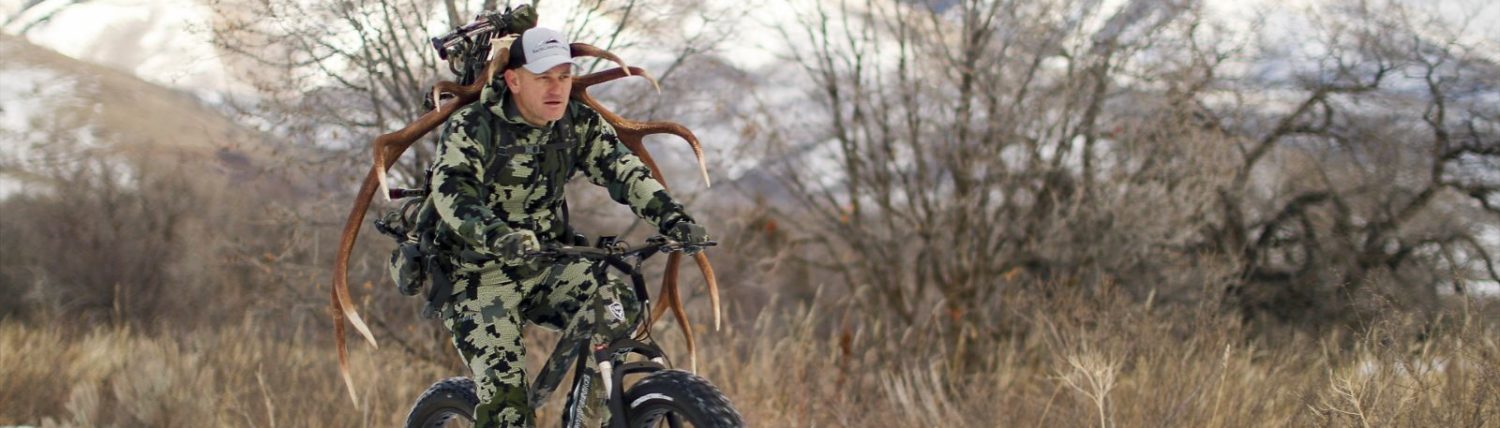

West Virginia is the real deal. I tell people: if you want to know what hunting felt like fifty years ago, go hunt the Mountain State. The woods are deep, the hollows are steep, the cell service disappears, and the deer live their entire lives without seeing many people. My first time hunting the Monongahela National Forest, I hiked two miles in from a forest road gate, set up on an oak flat, and didn’t hear a single man-made sound all morning. That kind of experience is getting harder to find, and West Virginia still has it.
West Virginia Hunting Regulations Overview
The West Virginia Division of Natural Resources (WVDNR) manages hunting licenses, available online or from authorized agents. West Virginia is notably affordable and welcoming to non-resident hunters, tag prices are reasonable compared to most neighboring states. Hunter education is required for first-time buyers.
West Virginia’s deer season includes an archery season from late September through December, a buck firearms season typically running about two weeks in late November, an antlerless firearms season in December, and a muzzleloader season also in December. The state uses a Class system for counties (not to be confused with ebike classes) that determines buck bag limits and antlerless permit availability. Some counties allow only one antlered buck per year, while others permit two. Spring turkey season runs from mid-April through late May. West Virginia also offers a fall turkey season. Bear hunting is available in designated counties with a separate bear stamp. Verify current seasons and county classifications with the WVDNR before your trip. For complete season dates and regulations, visit the WVDNR hunting page.
West Virginia requires blaze orange during firearms deer season, a minimum of 400 square inches on the upper body, visible from all sides.
E-Bike Regulations for Hunters in West Virginia
Updated March 2026, E-bike regulations are constantly evolving. Always check the rules for your local jurisdiction before heading out.
West Virginia has adopted ebike legislation recognizing the three-class system. Ebikes are classified as bicycles rather than motor vehicles when they meet the class definitions (motors up to 750 watts, speed limits of 20-28 mph depending on class).
On WVDNR-managed public hunting areas and wildlife management areas, motorized vehicle regulations apply. Many WMAs restrict motorized vehicle use to designated roads and parking areas. West Virginia has not issued a broad statewide directive specifically addressing ebike access on all state-managed hunting land. Given the rural and mountainous nature of much of the state’s public land, the practical approach is to check with the specific WMA manager or the WVDNR district office before riding an ebike on state hunting properties.
The Monongahela National Forest, nearly one million acres of public land in the Allegheny Mountains, is the centerpiece of West Virginia public land hunting and follows US Forest Service policy on ebikes. Check the Monongahela National Forest maps and publications page for Motor Vehicle Use Maps (MVUMs). Ebikes are generally permitted on roads and trails where bicycles are allowed. The “Mon” has an extensive forest road system, including many gated roads that are closed to motorized traffic but open to foot and bicycle use. For hunters with capable ebikes, this network opens up vast areas of backcountry that most hunters can’t reach in a day hunt. West Virginia also has a patchwork of smaller state forests and WMAs that may offer ebike access on established roads, confirm individually.
Top Game Species
- White-tailed Deer, West Virginia’s deer herd thrives in the rugged mountain terrain. Deer densities aren’t as high as in agricultural states, but the bucks that survive in this country tend to be mature and big-bodied. The mountains reward tough hunting.
- Wild Turkey, West Virginia’s spring gobbler season is legendary among turkey hunters. The Appalachian hardwoods are classic Eastern turkey habitat, and the birds gobble hard in these steep hollows.
- Black Bear, West Virginia’s bear population has grown substantially, and the state offers some of the best bear hunting in the East. Mountain counties produce impressive bruins.
- Grouse, Ruffed grouse hunting in the high-elevation forests of the Alleghenies is a West Virginia tradition. Young forest habitat at elevation holds birds, and the experience is as much about the mountains as the shooting.
- Squirrel, West Virginia’s oak-hickory forests support excellent squirrel populations. Early-season squirrel hunting is deeply rooted in the state’s culture.
Best Regions for E-Bike Hunting
Monongahela National Forest (Pocahontas, Randolph, Webster Counties): This is the crown jewel. Nearly a million acres of mountain forest with elevations ranging from 1,500 to over 4,800 feet. The forest road system is extensive, and many gated roads provide ideal ebike access into remote hunting areas. Deer, turkey, bear, and grouse all thrive here. The terrain is steep and will test your ebike, but the rewards are enormous, you’ll hunt country that few others can reach.
Southern Coalfields (Boone, Raleigh, Wyoming Counties): Steep, heavily forested terrain with a mix of mature hardwoods and regenerating clearcuts on reclaimed mine land. Old mining roads and haul roads provide unexpected ebike routes through this rugged country. Deer populations are healthy, and the terrain keeps hunting pressure low. A capable ebike opens up acres of huntable ground.
Eastern Panhandle (Hampshire, Hardy, Grant Counties): Where the Appalachian ridges meet the Potomac River valley, the terrain is steep but slightly more open. A mix of national forest, state land, and private ground provides diverse access. Deer and turkey hunting are both excellent, and the ridge-and-valley terrain creates natural funnels that concentrate deer movement.
Practical Tips for E-Bike Hunting in West Virginia
-
This is not flat-ground riding. I can’t stress this enough. West Virginia terrain is relentlessly steep. If your ebike doesn’t have a quality mid-drive motor and good brakes, leave it home. Hub motors will overheat on these grades, and cheap brakes are dangerous on long descents. Invest in a bike built for mountains.
-
Gated forest roads are the key to the Mon. The Monongahela National Forest has hundreds of miles of gated roads. These are your golden ticket, they keep vehicles out while providing smooth, direct ebike routes into the backcountry. Study the forest road map before your trip and identify gated roads that access the terrain you want to hunt.
-
Weather changes fast in the mountains. West Virginia mountain weather can go from mild to dangerous in a few hours. Rain, fog, and early snow are all possible in November. Carry rain gear, pack a headlamp, and don’t ride unfamiliar forest roads after dark. I’ve been caught in fog thick enough that I couldn’t see 30 feet.
-
Pack light, pack smart. If you kill a deer two miles from your truck on a mountain road, you’re going to want your ebike for the pack-out. A game cart or a quality cargo rack on your ebike can save you multiple trips on steep terrain. Plan your harvest logistics before you’re standing over a downed deer in a remote hollow.
-
Spring gobbler season in the hollows is an experience. West Virginia gobblers sound different in steep terrain, the sound bounces off the ridges and can be disorienting. Use your ebike to get to a high point at dawn, listen for gobbling, then move in on foot. The bike gets you to the listening post without the noise of driving or the time cost of walking.
The Bottom Line
West Virginia is wild, rugged, and deeply rewarding for hunters willing to earn it. An ebike doesn’t make this state easy, nothing does, but it makes the impossible distances manageable and opens up hunting that would otherwise require a backpacking trip. If you want a hunting ebike that’s genuinely built for mountain terrain, you can find solid options at ebikegeneration.com/?aff=76. Then pick a hollow in the Mon, get after it, and remember: the best deer in West Virginia are the ones nobody else can reach.
Resources & Contacts
West Virginia Division of Natural Resources (WVDNR)
– Website: wvdnr.gov
– Hunting Regulations: wvdnr.gov/hunting
– Phone: (304) 558-2771
Wildlife Management Areas
– WVDNR WMA Listings
– Phone: (304) 558-2771
National Forests in West Virginia
– Monongahela National Forest | Maps & Publications (MVUMs)
State Forests & Public Hunting Land
– WVDNR Public Hunting Lands
– WV State Forests