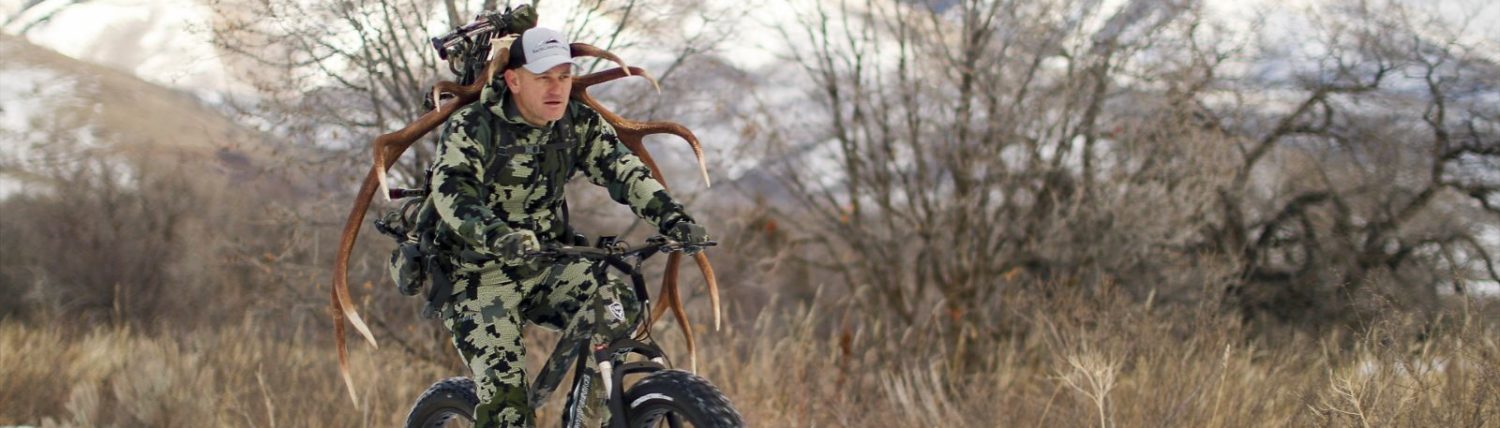
Virginia has a depth to its hunting that catches people off guard. I spent a week in the western mountains one November, hunting the Jefferson National Forest for whitetails during the rifle opener, and the experience stuck with me. The Blue Ridge gives you elevation, the Shenandoah Valley gives you ag, and the Piedmont ties it all together. Add in a strong hunting culture and some of the most accessible public land in the mid-Atlantic, and Virginia deserves serious consideration from any traveling hunter.
Virginia Hunting Regulations Overview
The Virginia Department of Wildlife Resources (DWR) manages hunting licenses, available online through their Go Outdoors Virginia system. Residents and non-residents can purchase licenses, with various combination packages available. Hunter education is required for all first-time license buyers in Virginia.
Virginia’s deer season is structured around multiple weapons periods that vary by county, some counties are east of the Blue Ridge with different rules than those west of the Blue Ridge. Archery season generally opens in early October and runs through mid-November, resuming after firearms season through early January. General firearms season typically runs from mid-November through early January in western counties, and slightly different dates apply in eastern counties. Muzzleloader seasons are also county-dependent. Virginia permits either-sex deer harvest on certain days, with antlered-only restrictions on others, study the regulations for your specific county. Spring turkey season runs from April into May, with a youth weekend preceding the general opener. Check DWR for current season dates, as the county-level variation requires careful reading. For complete season dates and regulations, visit the DWR hunting page.
Virginia allows Sunday hunting on private land and, more recently, on certain public lands. Confirm Sunday hunting rules for your specific area.
E-Bike Regulations for Hunters in Virginia
Updated March 2026, E-bike regulations are constantly evolving. Always check the rules for your local jurisdiction before heading out.
Virginia enacted ebike legislation adopting the three-class system. Ebikes are defined as bicycles rather than motor vehicles, and Class 1, 2, and 3 ebikes are generally permitted where bicycles are allowed on public roads and designated trails.
On DWR-managed Wildlife Management Areas (WMAs), motorized vehicle use is regulated and typically restricted to designated roads and parking lots. Virginia DWR has not published a comprehensive statewide policy explicitly permitting or restricting ebike use across all WMAs. The safest approach is to check individual WMA regulations or contact the regional DWR office. Some WMAs have extensive interior road networks that could accommodate ebike travel if permitted, while others are more restrictive.
The George Washington and Jefferson National Forests, which span millions of acres across western Virginia, follow US Forest Service guidelines on ebikes. Check the GW-Jefferson National Forests maps and publications page for Motor Vehicle Use Maps (MVUMs). Ebikes are generally allowed on roads and trails open to bicycle use. This is a significant resource for Virginia hunters, the national forest road system in the mountains provides extensive access into prime deer, turkey, and bear country. Between the national forest and Virginia’s many state forests, there are real opportunities for ebike-assisted hunting access, particularly in the western half of the state. Always confirm with the specific land manager.
Top Game Species
- White-tailed Deer, Virginia’s deer herd is healthy statewide, with the western mountains and Piedmont producing the best antler quality. Agricultural areas in the Shenandoah Valley grow big-bodied deer.
- Wild Turkey, Virginia is a historical stronghold for the Eastern wild turkey. The mountains and Piedmont both hold excellent populations, and the spring season is a tradition.
- Black Bear, Virginia’s bear population has been growing, particularly in the Blue Ridge and Allegheny mountains. The state offers a generous bear season, and western Virginia is among the best bear-hunting destinations in the East.
- Grouse, Ruffed grouse hunting in the Appalachian mountains is a cherished Virginia tradition, though numbers have declined in recent decades. Mountain laurel thickets and young forest habitat are key.
- Waterfowl, The Chesapeake Bay and its tributaries make eastern Virginia a significant waterfowl destination, particularly for diving ducks and sea ducks.
Best Regions for E-Bike Hunting
George Washington National Forest (Highland, Bath, Augusta Counties): Hundreds of thousands of acres of mountain terrain with an extensive forest road system. The Appalachian ridges and valleys here hold excellent deer, turkey, and bear populations. Forest roads climb ridges and follow hollows, and an ebike lets you access remote areas that many hunters pass over. The terrain is demanding, serious elevation changes are the norm, but established roads are generally rideable.
Jefferson National Forest (Bland, Giles, Craig Counties): The southwestern Virginia mountains offer similar terrain to the GW National Forest with slightly less hunting pressure. Large blocks of unbroken forest provide excellent habitat for deer, turkey, and bear. The forest road system is your access key, and an ebike handles these routes far better than walking them with a pack.
Piedmont (Albemarle, Nelson, Appomattox Counties): Rolling terrain, hardwood timber, and agricultural fields create ideal whitetail habitat. The terrain is moderate and battery-friendly. Private land dominates, but hunters with access can use ebikes to quietly reach stands along field edges and creek bottoms. Public land options like the Hardware River WMA provide some access.
Practical Tips for E-Bike Hunting in Virginia
-
Study the county-specific regulations. Virginia’s deer regulations vary by county and by the east/west divide of the Blue Ridge. What’s legal in one county may not be in the next. Take the time to read the regulations digest for every county you plan to hunt. There’s no shortcut here.
-
Mountain elevations mean big battery demands. If you’re hunting the national forests in western Virginia, you’re dealing with 1,000- to 2,000-foot elevation changes on many forest roads. Plan your battery usage carefully. Riding uphill to your stand in the morning and coasting back down in the evening is more efficient than the reverse.
-
Bear encounters are real. Western Virginia has a robust bear population, and you will likely see bears if you spend time in the mountains. This doesn’t affect your ebike use directly, but be bear-aware when storing food and gear, and know that a bear may visit your deer bait site (where baiting is legal, check current regulations on baiting).
-
Use forest road gates to your advantage. Many national forest roads are gated seasonally. When these roads are open to bicycle traffic, they provide excellent ebike access with minimal competition from vehicle-based hunters. The gate keeps trucks out but lets your ebike through, that’s a significant edge.
-
The Shenandoah Valley in November is special. The combination of mountain terrain, agricultural fields, and good deer density makes the Valley one of the best places in the mid-Atlantic to hunt whitetails. Use your ebike to access stands on the margins where farmland meets the national forest boundary. Deer travel these edges heavily during the rut.
The Bottom Line
Virginia is a state that rewards preparation and effort, especially in the mountain country where the best hunting is often a few miles from the nearest road. An ebike turns that distance from an obstacle into an advantage, letting you access ridges and hollows that the average hunter never reaches. If you’re looking for a hunting ebike built for mountain terrain, you can find solid options at ebikegeneration.com/?aff=76. Virginia’s public land is there for the taking, all you have to do is get to it.
Resources & Contacts
Virginia Department of Wildlife Resources (DWR)
– Website: dwr.virginia.gov
– Hunting Regulations: dwr.virginia.gov/hunting
– Phone: (804) 367-1000
Wildlife Management Areas
– DWR WMA Listings
– Phone: (804) 367-1000
National Forests in Virginia
– George Washington and Jefferson National Forests | Maps & Publications (MVUMs)
State Forests & Public Hunting Land
– Virginia State Forests
– DWR Public Hunting Lands