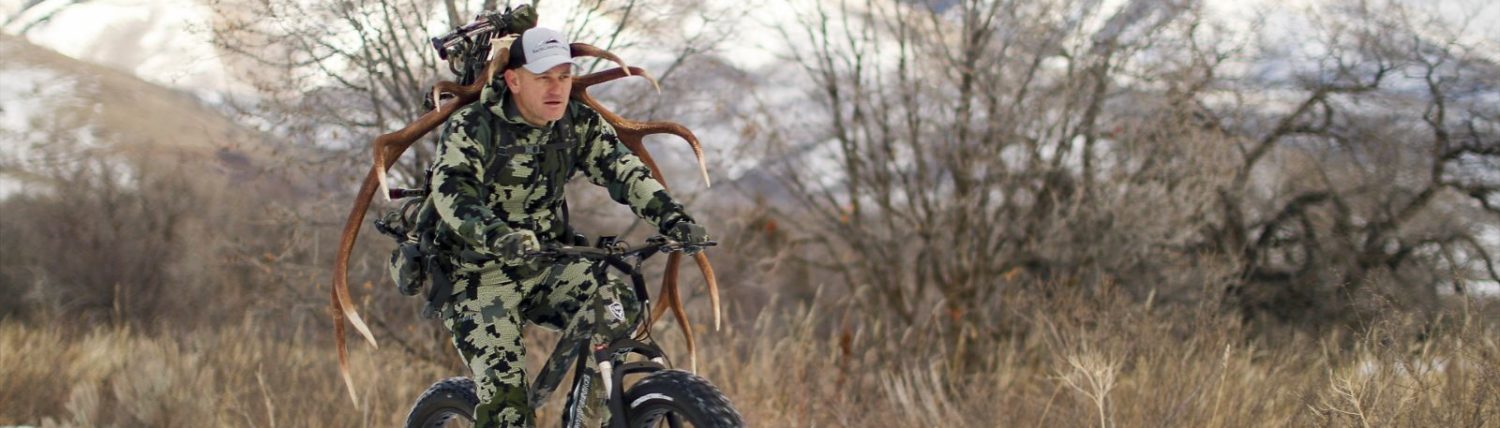
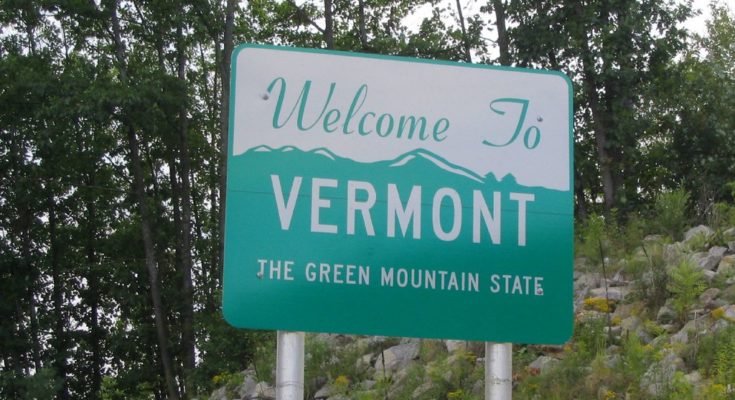
Vermont is the state that makes me wish I’d been born about 50 miles further east. I’m right there in upstate New York, staring across Lake Champlain at the Green Mountains, and some days Vermont just looks better. The hills are steeper, the towns are smaller, the hunting tradition runs deeper, and the flannel-to-person ratio is approaching 1:1. I’ve hunted Vermont more times than any other state besides my own, and it never disappoints. Also, it never gets above 15 degrees during rifle season. But you take the good with the frostbitten.
Vermont Hunting Regulations Overview
Vermont Fish & Wildlife Department manages licensing and regulations. Hunting licenses are straightforward, residents get a deal, non-residents pay a premium but get access to exceptional public land. Hunter education is required. Vermont uses a big game tag system, your license includes tags for deer, turkey, and bear, but you’ll need to understand the specific rules for each.
Vermont’s deer season is a tradition. Archery season typically opens in early October, with a youth weekend preceding it. Rifle season is a 16-day stretch in November, and this is a real rifle season, not shotgun-only like some neighboring states. Muzzleloader follows in December. Vermont uses Wildlife Management Units (WMUs) with antlerless harvest by permit in some units, the buck harvest has been managed to produce quality deer despite heavy hunting pressure. Vermont also has an early and late antlerless-only season in certain areas to manage local populations. Bear hunting runs from September through November. Turkey has spring and fall seasons. Squirrel and grouse seasons provide additional fall and winter opportunities. For complete season dates and regulations, visit the Vermont Fish & Wildlife hunting page.
Vermont allows Sunday hunting, and the state has a strong tradition of open access to unposted private land, though this has been eroding over the years as more land gets posted.
E-Bike Regulations for Hunters in Vermont
Updated March 2026, E-bike regulations are constantly evolving. Always check the rules for your local jurisdiction before heading out.
Vermont has been working through e-bike classification, and the state recognizes the standard three-class system for road use. On public roads and certain multi-use paths, e-bikes are generally treated as bicycles.
On state-managed lands, including Wildlife Management Areas and state forests, motorized vehicle use is typically restricted. The Vermont Department of Forests, Parks and Recreation manages state forests, while Fish & Wildlife manages WMAs. Their policies on e-bike access may differ and may vary by specific property. As of the latest available guidance, e-bikes may be treated as motorized vehicles on many state lands, which would restrict their use to roads open to public motor vehicle travel.
Vermont’s Green Mountain National Forest, managed by the US Forest Service, covers a large swath of the state and offers significant hunting opportunity. Forest Service e-bike policy has been evolving nationally, generally, e-bikes may be allowed on roads and trails where motorized use is already permitted, and potentially on trails open to bicycles where a local decision has been made to allow e-bikes. Contact the Manchester or Rochester Ranger Districts for current e-bike policy on GMNF lands. Vermont also has a tradition of access to unposted private land, which creates additional opportunities for e-bike use with the implicit or explicit permission of the landowner.
Top Game Species
- White-tailed Deer, Vermont’s rifle season is a cultural institution. The deer herd has been managed for quality, and while overall density isn’t as high as some southern New England states, the hunting experience is outstanding.
- Black Bear, Vermont has a healthy and growing bear population. Early-season bear hunting in September, before the leaves drop, is challenging and rewarding.
- Eastern Wild Turkey, The turkey population has expanded statewide. Spring gobbler hunting in the Champlain Valley is excellent.
- Ruffed Grouse, Vermont’s mix of hardwoods and young regenerating forest creates classic grouse habitat. The Green Mountains and Northeast Kingdom are particularly productive.
- Snowshoe Hare, The higher elevations and softwood stands hold hare populations that provide good winter hunting.
- Moose, Vermont has a limited moose season by lottery permit. Drawing a tag is tough, but the opportunity exists in the Northeast Kingdom.
Best Regions for E-Bike Hunting
Northeast Kingdom (Essex, Orleans, Caledonia Counties). This is Vermont’s wildest region, low population density, extensive forest cover, and a mix of state land, national forest, and unposted private land. The terrain is rolling to hilly, with boreal forest at higher elevations giving way to hardwoods in the valleys. Logging roads and forest roads provide natural e-bike routes. Deer, bear, grouse, and moose (by lottery) all live here. An e-bike helps you cover the big country without an ATV’s noise.
Green Mountain National Forest Corridor, Running through the center of the state, the GMNF offers hundreds of thousands of acres of huntable land. Forest roads wind through the mountains, and the terrain is steep enough that pedal assist transforms a grueling climb into a manageable ride. Deer, bear, turkey, and grouse all thrive here. Check with the Forest Service on current e-bike access.
Champlain Valley (Addison and Rutland Counties). The valley floor between the Green Mountains and Lake Champlain is agricultural country with excellent turkey and deer hunting. Rolling terrain, a mix of farm fields and woodlots, and lower elevations mean milder weather and better battery performance. Good opportunities on both public and private land.
Practical Tips for E-Bike Hunting in Vermont
-
Vermont cold is the real thing. I’m not talking about “wear an extra layer” cold. I’m talking about November mornings where your water bottle freezes solid by 8 AM and your fingers stop working. Keep your e-bike battery warm until you absolutely need it. I bring mine inside the truck cab on the drive up and insulate it during the ride. Cold kills range faster than hills do. Check out our [Best Electric Hunting Bikes] guide for batteries that hold up in extreme cold.
-
The mud seasons will strand you. Vermont has two mud seasons, spring (March through May) and the fall rains (late October into November). Dirt roads become impassable. Some towns literally close roads during mud season. If you’re riding an e-bike on forest roads during these periods, you’d better have fat tires and low expectations. Or just wait a week.
-
Respect the unposted land tradition. Vermont has historically allowed hunting on private land that isn’t posted. This tradition is what makes Vermont hunting so accessible, but it depends on hunters being respectful. If you’re riding an e-bike on someone’s unposted property, stay on roads and field edges, don’t leave tracks through crops, and if the landowner approaches you, be the kind of person who makes them glad they didn’t post.
-
Grouse in the birch and poplar cuts. Vermont’s best grouse cover is in the regenerating hardwood stands, young birch, poplar, and alder. Use your e-bike to travel between patches of young forest along logging roads, then hop off and work the cover on foot. You can hit a dozen spots in a day this way instead of three.
-
Elevation changes eat batteries for breakfast. The Green Mountains are real mountains, and climbing 1,500 feet on a forest road takes serious battery power. Plan your route so you’re climbing with a full charge and descending on your way out. Gravity is free, use it on the return trip.
The Bottom Line
Vermont is everything I love about northeast hunting, tough country, honest tradition, and game that makes you work for it. An e-bike makes the Green Mountain State’s hills a lot more manageable and lets you get into the backcountry that most hunters skip because the walk is too far. If you’re ready to gear up, you can find solid hunting ebike options at ebikegeneration.com/?aff=76. Just bring your warmest gear, check in with the landowners, and remember, there’s always a general store somewhere nearby with hot coffee and a sympathetic ear for your hunting stories.
Resources & Contacts
Vermont Fish & Wildlife Department
– Website: vtfishandwildlife.com
– Hunting Regulations: vtfishandwildlife.com/hunt
– Phone: (802) 828-1000
Wildlife Management Areas
– Vermont WMA Listings
– Phone: (802) 828-1000
National Forests in Vermont
– Green Mountain National Forest | Motor Vehicle Use Maps
State Forests & Public Hunting Land
– Vermont State Forests
– Vermont Fish & Wildlife Public Hunting Lands