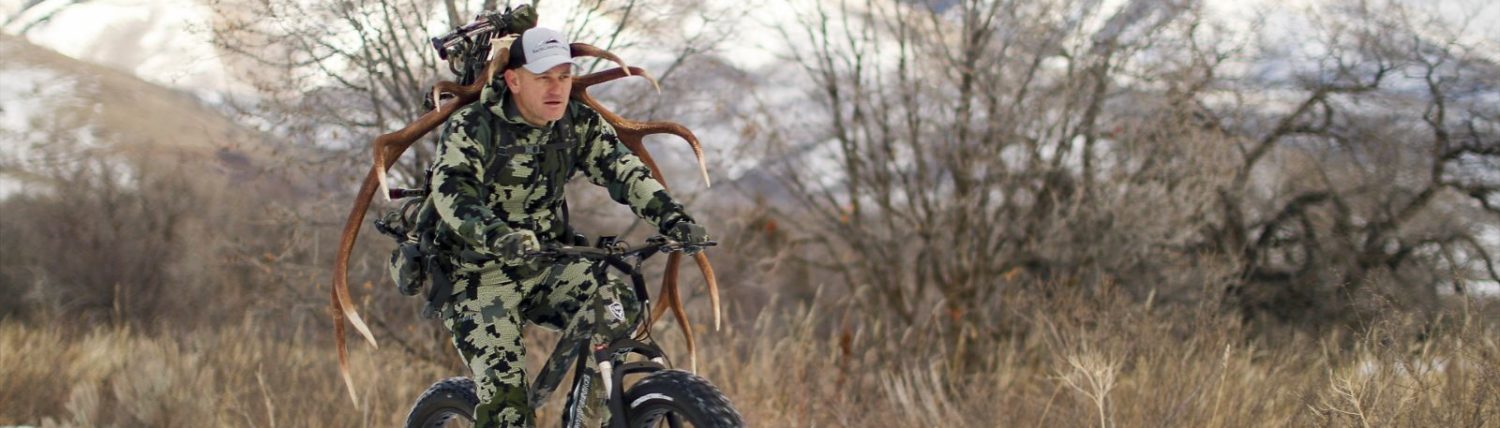
Texas is where everything is bigger, and that includes the hunting opportunities and the distances you need to cover. The first time I hunted south Texas, I sat in a blind on a 10,000-acre ranch watching a parade of whitetails come to a sendero at last light, and I thought, “This is a different planet.” Texas hunting is nothing like hunting the swamps and pines back home in Florida, it’s wide open, dry, thorny, and absolutely magnificent. I’ve hunted exotics on the Hill Country, chased hogs with helicopters in the Panhandle (yes, that’s legal here), and shot javelina in the brush country. This state has it all, and the scale of it demands a way to cover ground efficiently. That’s where an ebike earns its keep.
Texas Hunting Regulations Overview
Texas hunting licenses are issued by the Texas Parks and Wildlife Department (TPWD). The Super Combo license is the go-to for most hunters, it covers hunting and fishing with all the necessary stamps and endorsements. Non-residents can purchase a general non-resident hunting license, and additional endorsements may be needed depending on species. All hunters born on or after September 2, 1971, must complete a hunter education course.
Texas deer season varies by region. Archery-only season typically runs from late September through early November. General gun season opens in early November and runs through the first or second Sunday of January in most of the state, with a late antlerless and spike season extending into mid-January in some areas. South Texas has its own special late season that runs into the end of January. Bag limits and antler restrictions vary by county. Texas manages deer at the county level, so check the specific regulations for every county you plan to hunt.
Spring turkey season for Rio Grande gobblers typically runs from late March through mid-May, with eastern turkey seasons in the eastern counties running a shorter window. Feral hogs are unprotected, non-game animals in Texas, no season, no bag limit, no weapon restrictions. Hog hunting from helicopters is legal and popular. Exotic species like axis deer, blackbuck, and nilgai have no closed season. Texas also offers javelina, quail, dove, and waterfowl seasons. Always verify current seasons and county-specific rules with the TPWD. For complete season dates and regulations, visit the TPWD hunting regulations page.
E-Bike Regulations for Hunters in Texas
Updated March 2026, E-bike regulations are constantly evolving. Always check the rules for your local jurisdiction before heading out.
Texas has been reasonably clear in its approach to ebikes. The state defines ebikes under transportation law and classifies them into the standard three classes. On public roads and highways, they’re treated similarly to bicycles. But public hunting land access is where Texas hunters need to pay close attention.
On Texas Wildlife Management Areas, the TPWD establishes rules for each property individually. Most WMAs restrict motorized vehicle access to designated roads and parking areas, and ebikes typically fall under these motorized vehicle restrictions. Some WMAs with ATV-accessible trails may permit ebikes, but this is not consistent across all properties. Check the specific WMA regulations published by TPWD for the area you intend to hunt. The TPWD’s WMA hunting maps and regulation booklets are essential reading.
Here’s the thing about Texas, though, the vast majority of hunting happens on private land. Texas has more private land hunting than any other state, and on private property with landowner permission, you can use an ebike however you want. Given that many Texas ranches are measured in thousands of acres with miles of ranch roads and senderos, an ebike is a practical tool for getting to distant blinds and feeders without running a noisy truck or ATV. National grasslands and Forest Service land in Texas (like the Sam Houston, Davy Crockett, Angelina, and Sabine National Forests) follow USDA Forest Service policy for ebike access on motorized-designated routes, check the Texas National Forests MVUMs.
Top Game Species
- White-tailed Deer, Texas harvests more whitetails than any other state, and south Texas is one of the premier trophy whitetail destinations in the world. The brush country below San Antonio grows deer with genetics and nutrition that produce jaw-dropping antlers. North Texas, the Hill Country, and east Texas all offer their own quality deer hunting.
- Feral Hogs, Texas has the largest feral hog population in the country, estimated in the millions. No season, no limits, any legal weapon, day or night on private land. Helicopter hog hunting is a uniquely Texas experience. On the ground, ebike approaches for night hunts with thermals are incredibly effective across the state.
- Rio Grande Turkey, Texas holds more Rio Grande turkeys than anywhere else. Spring gobbler hunting across the Hill Country, south Texas, and the Rolling Plains is outstanding. These birds often use open terrain, making long-distance approaches important, and quiet ones.
- Exotic Game, Texas is the only state where you can hunt free-range axis deer, blackbuck antelope, nilgai, aoudad sheep, and more with no season and no bag limit. The Hill Country and south Texas have significant populations of these species, and they’re fantastic additions to the freezer.
- Javelina, A uniquely Southwestern species. Javelina hunting in the brush country is a fun spot-and-stalk challenge, and they’re usually found in groups. Not technically a pig, despite looking like one, they’re peccaries.
- Dove, Texas dove hunting is a cultural institution. Opening day in September brings out more hunters than almost any other event in the state. Whitewing hunting in the Rio Grande Valley is especially popular.
Best Regions for E-Bike Hunting
South Texas Brush Country (Webb, Duval, La Salle, McMullen Counties). This is the land of trophy whitetails and senderos. The dense thorny brush makes off-trail travel nearly impossible, but the network of cleared senderos (shooting lanes) and ranch roads creates a system that ebikes navigate beautifully. You can ride quietly between blinds and feeders without the diesel rumble of a ranch truck announcing your arrival to every buck in the county. The flat to gently rolling terrain is easy on batteries, and the dry conditions mean you rarely deal with mud.
The Hill Country (Llano, Mason, Gillespie, Kerr Counties). The Texas Hill Country is famous for whitetails, turkeys, and exotic game. The terrain is scenic limestone hills with live oak mottes and cedar breaks. The hills mean you’ll use more battery, but the ranch road systems are well-maintained and ideal for ebike use. Many operations lease hunting rights on ranches with multiple stands spread across hilly terrain, an ebike lets you hunt different spots morning and evening without the noise and hassle of driving.
East Texas Piney Woods (Angelina, Nacogdoches, Tyler, Jasper Counties). The national forests of east Texas offer large blocks of public hunting land with a very different feel from the rest of the state. Pine plantations, hardwood bottoms, and creek corridors provide habitat more similar to Louisiana or Mississippi than to western Texas. The road networks through the national forests are extensive and flat, making ebike access very practical. Hog populations here are enormous, and deer hunting is solid.
Practical Tips for E-Bike Hunting in Texas
Thorns will destroy standard tires. South Texas and the Hill Country are covered in mesquite, catclaw, prickly pear, and about forty other plants that evolved specifically to puncture things. Run thorn-resistant tires or tire liners, and carry a patch kit and pump. I flatted twice on my first Texas ebike hunt before I learned this lesson. The thorns down here are no joke, some of them are an inch long.
Distances are real. A Texas ranch isn’t like a 200-acre hunting tract in the Southeast. When someone says, “The feeder’s about four miles down that sendero,” they mean it. Your ebike’s range matters more in Texas than almost any other state. Know your battery capacity, carry a spare if you’ve got one, and factor in the return trip. Getting stranded four miles deep on a dark sendero is a long walk.
Rattlesnakes are a year-round concern. Western diamondbacks in central and west Texas are large, well-camouflaged, and sometimes reluctant to rattle before striking. Watch the edges of senderos, around brush piles, and near water sources. When you dismount, scan the ground before you step. I nearly parked my bike on a coiled rattler in the Hill Country, it was sitting in a tire rut on a warm afternoon.
Heat in early season is extreme. September dove season and early October archery season in south Texas can mean temperatures over 100 degrees. Hydration is critical, and heat exhaustion is a real risk. If you’re riding your ebike to a blind in those conditions, take it easy, drink constantly, and don’t push it. The game isn’t going anywhere, but you might if you pass out.
Night hog hunting is a Texas specialty. Private land night hunting for hogs is completely legal and wildly popular. An ebike is the quietest way to approach a feeding area at night, no headlights, no engine noise, just you and the thermal scope. I’ve had Texas ranchers tell me the ebike approach is more effective than anything else they’ve tried, including feeders with automated lights. The hogs simply don’t register the ebike as a threat.
The Bottom Line
Texas is a hunting state that operates on a scale unlike anywhere else, millions of acres of private land, more game species than you can hunt in a lifetime, and distances that demand efficient transportation. An ebike is one of the smartest tools you can add to your Texas hunting setup, whether you’re gliding down senderos in the brush country or covering ground on an east Texas timber tract. For a rig that can handle Texas distances and thorns, check out the hunting ebike options at ebikegeneration.com/?aff=76, invest in something with solid range and thorn-proof tires, and this state will keep you hunting for decades.
Resources & Contacts
Texas Parks and Wildlife Department (TPWD)
– Website: tpwd.texas.gov
– Hunting Regulations (Outdoor Annual): tpwd.texas.gov/regulations/outdoor-annual
– Phone: (800) 792-1112
Wildlife Management Areas
– TPWD Public Hunting Lands Map
– Type II & III WMA Annual Public Hunting Permit Info
– Phone: (512) 389-4800
National Forests in Texas
– Angelina National Forest | MVUMs
– Davy Crockett National Forest | MVUMs
– Sabine National Forest | MVUMs
– Sam Houston National Forest | MVUMs
State Forests & Public Hunting Land
– TPWD Public Hunting Lands
– TPWD Public Hunting Lands Interactive Map