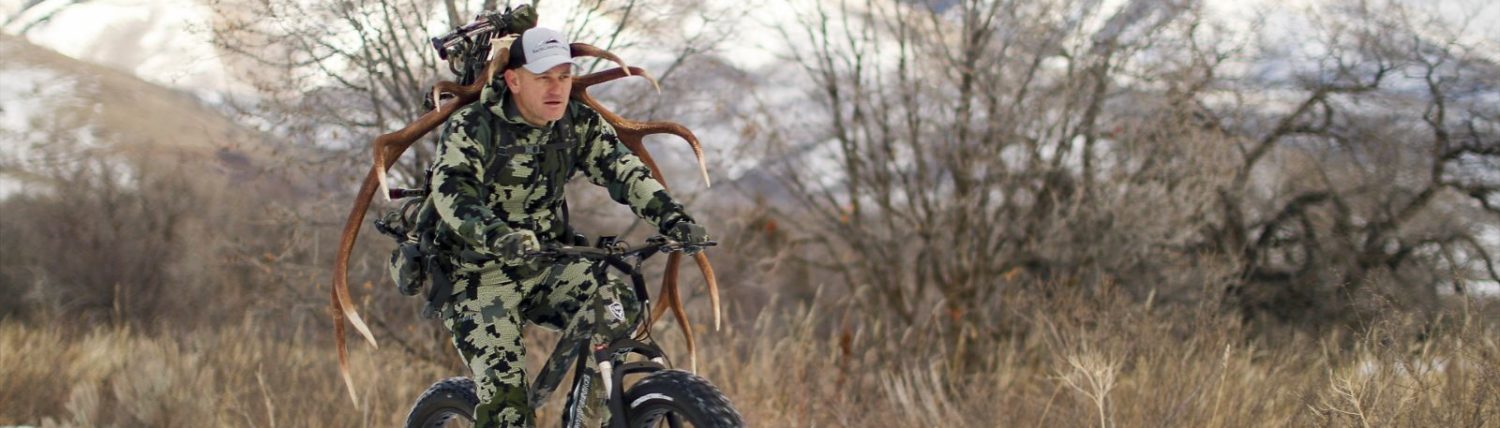
Tennessee might be the most geographically diverse hunting state east of the Mississippi, and I don’t say that lightly. I hunted a ridge in the Cherokee National Forest one October and could see layered mountains stretching to the horizon, felt more like a Western hunt than anything in the Southeast. Then you drive a couple hours west and you’re in flat river-bottom hardwoods chasing ducks. East to west, Tennessee is a different state every hundred miles, and the hunting follows suit.
Tennessee Hunting Regulations Overview
The Tennessee Wildlife Resources Agency (TWRA) manages hunting licenses, available online or through authorized agents. Tennessee offers a Sportsman License that bundles deer, turkey, small game, and fishing, a solid deal if you plan to chase multiple species. Hunter education is required for anyone born on or after January 1, 1969.
Tennessee’s deer season features an archery opener in late September, followed by muzzleloader season in late October/November, and the gun season running from late November through early January, depending on the unit. Tennessee divides the state into multiple units with varying season dates and bag limits. Some units allow generous antlerless harvest while others are more restrictive. The state has Earn-A-Buck provisions in certain units where you must harvest an antlerless deer before taking a second buck. Spring turkey season runs from early April through mid-May. Tennessee also offers quality bear hunting in the eastern mountains through a quota permit system. Check with TWRA for current season dates and unit-specific regulations. For complete season dates and regulations, visit the TWRA hunting page.
Tennessee requires blaze orange during gun deer season, minimum 500 square inches of daylight fluorescent orange on your upper body.
E-Bike Regulations for Hunters in Tennessee
Updated March 2026, E-bike regulations are constantly evolving. Always check the rules for your local jurisdiction before heading out.
Tennessee passed legislation adopting the three-class ebike classification. Class 1, 2, and 3 ebikes are defined and generally treated as bicycles rather than motor vehicles for road and trail purposes.
On TWRA-managed Wildlife Management Areas (WMAs), motorized vehicle access is governed by WMA-specific regulations. Most WMAs restrict motorized vehicles to designated roads and parking areas. The TWRA has not implemented a universal statewide policy that explicitly addresses ebike access on all WMAs. Some WMAs have gated interior roads open only to foot traffic, whether an ebike is permitted on these gated roads depends on the specific property’s rules and the local manager’s interpretation. Contact the TWRA regional office for your hunting area before planning to ride.
National forest land, the Cherokee National Forest in the east and portions of the Land Between the Lakes in the west, follows Forest Service guidelines, permitting ebikes on roads and trails open to bicycle use. Check the Cherokee National Forest maps and publications page for Motor Vehicle Use Maps (MVUMs). The Cherokee National Forest is particularly relevant for hunters, offering hundreds of thousands of acres and an extensive road system in the mountains. On private land, ebike use is at the landowner’s discretion. Tennessee’s mix of public and private land means your ebike access will depend heavily on where you’re hunting, so plan accordingly.
Top Game Species
- White-tailed Deer, Tennessee produces good deer statewide, with the middle and western portions of the state generally offering higher densities thanks to agricultural habitat. Trophy bucks come from all three grand divisions.
- Wild Turkey, Tennessee holds a strong turkey population, and the spring season is a highlight. The eastern mountains and the middle Tennessee cedar glades both offer quality gobbler hunting.
- Black Bear, The Great Smoky Mountains and the Cherokee National Forest support a growing bear population. Quota hunts provide the opportunity, and the mountain terrain makes for a challenging hunt.
- Elk, Tennessee reintroduced elk to the North Cumberland Wildlife Management Area. Limited quota hunts are available, making this a rare and exciting opportunity.
- Waterfowl, West Tennessee’s Reelfoot Lake and the bottomlands along the Mississippi River provide outstanding duck hunting, including significant numbers of mallards.
- Dove, Tennessee’s early September dove opener is a social tradition. Sunflower fields and cut grain provide shooting, and it’s a great warm-up for the fall season.
Best Regions for E-Bike Hunting
Cherokee National Forest (Eastern Tennessee): Over 650,000 acres of mountain terrain with extensive forest road networks. The terrain is steep and rugged, elevations range from 1,000 to over 5,000 feet, but the forest roads are generally rideable with a capable ebike. Deer, turkey, bear, and grouse habitat throughout. This is where an ebike truly earns its keep, putting you into mountain coves and remote ridges that see minimal pressure.
Middle Tennessee Highlands (Putnam, Overton, Fentress Counties): The Cumberland Plateau offers a mix of relatively flat ridgetop terrain and dramatic gorges. Catoosa and Prentice Cooper WMAs provide large blocks of public land. The plateau terrain is more forgiving on ebike batteries than the Smokies, while still offering excellent deer and turkey hunting.
West Tennessee Bottomlands (Obion, Dyer, Lake Counties): Flat agricultural country and river-bottom timber along the Mississippi River. Terrain is easy on batteries, and the distances from road access to prime timber stands can be significant. For deer and waterfowl hunters, this is ideal ebike territory, flat, predictable, and with long stretches of rideable farm lanes.
Practical Tips for E-Bike Hunting in Tennessee
-
Mountain hunting demands a mid-drive motor. If you plan to hunt the Cherokee National Forest or the Cumberland Plateau, don’t bring a hub-motor ebike. The grades will overheat a hub motor and drain your battery in a hurry. A mid-drive with good low-end torque handles these mountain roads.
-
Temperature swings are dramatic. Tennessee in October can be 75 degrees at noon and 35 degrees at dawn. Dress in layers and plan your ebike access accordingly, morning rides to the stand in cold air, afternoon rides back in warm sun. Your battery performance will fluctuate with the temperature.
-
The early archery season is hot. September bow season in Tennessee means warm weather, bugs, and scent challenges. Ride easy, bring a towel, and let the sweat dry before climbing into your stand. I like to arrive 45 minutes before shooting light to give myself cool-down time.
-
Learn the gated roads. Many Tennessee WMAs have gated roads that extend miles into the interior. Where ebike access is permitted (confirm first), these gated roads are absolute gold, they keep vehicles out but provide smooth, direct routes to remote hunting areas. Where they’re not permitted, plan to walk from the gate.
-
West Tennessee mud. The river-bottom areas in west Tennessee can turn into heavy, black mud after rain. Fat tires help, but timing matters more, let the ground firm up a day or two after heavy rain before trying to ride bottomland roads.
The Bottom Line
Tennessee gives you three states worth of hunting variety in one license, and an ebike helps you take full advantage of it. From the mountain ridges of the Cherokee to the bottomland hardwoods along the Mississippi, there’s always more country to explore than you have time for. If you’re looking for a hunting ebike built for serious terrain, you can find solid options at ebikegeneration.com/?aff=76, take a look at what they’ve got and match it to the part of Tennessee you plan to hunt. This state rewards exploration, and an ebike is the best way I’ve found to do it.
Resources & Contacts
Tennessee Wildlife Resources Agency (TWRA)
– Website: tn.gov/twra
– Hunting Regulations: tn.gov/twra/hunting
– Phone: (615) 781-6500
Wildlife Management Areas
– TWRA WMA Listings
– Phone: (615) 781-6500
National Forests in Tennessee
– Cherokee National Forest | Maps & Publications (MVUMs)
– Land Between the Lakes National Recreation Area
State Forests & Public Hunting Land
– TWRA Public Hunting Areas
– TWRA WMA Map