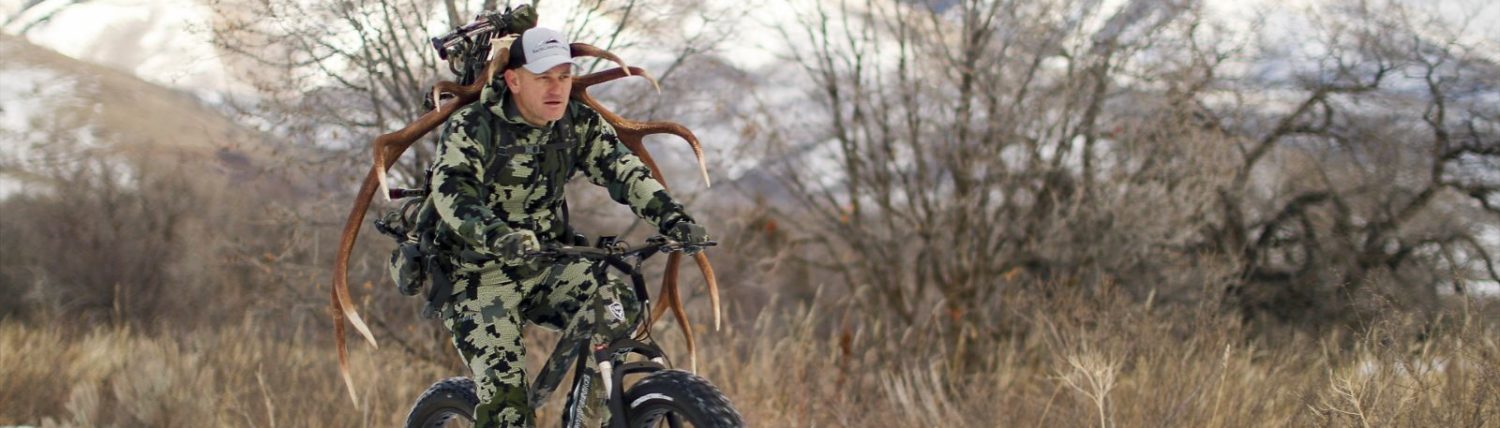
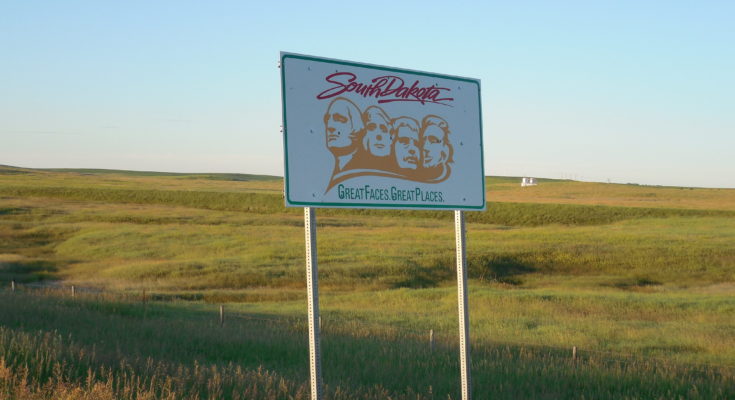
The first time I saw the Black Hills, I thought somebody had picked up a chunk of Colorado and dropped it in the middle of the prairie. South Dakota does that, it defies expectations. Most people think of Mount Rushmore and cornfields, but the western half of this state is legitimate hunting country. I went out for a mule deer tag in the southern Black Hills and spent a week hunting ponderosa ridges and creek bottoms that reminded me of home. Add in the best pheasant hunting in the country and some of the most affordable tags around, and South Dakota is a state worth your time.
South Dakota Hunting Regulations Overview
South Dakota Game, Fish and Parks (SDGFP) manages hunting in the state. The licensing system varies by species, some tags are available over the counter and others require a draw. Deer tags are allocated through a lottery system with separate seasons for East River, West River, and Black Hills. Nonresident deer tags are limited, so apply early. Elk tags are very limited and tough to draw.
The state is famous for its pheasant hunting, and the season typically opens in mid-October. Resident and nonresident small game licenses are required. South Dakota also offers excellent turkey hunting with spring and fall seasons, pronghorn hunting in the western prairies, and mountain lion hunting in the Black Hills.
Archery deer season typically runs from late September through January, one of the longest archery seasons in the country. Rifle seasons vary by region. West River and Black Hills rifle seasons are typically in November. Check SDGFP for current season dates, draw deadlines, and specific regulations by unit.
E-Bike Regulations for Hunters in South Dakota
Updated March 2026, E-bike regulations are constantly evolving. Always check the rules for your local jurisdiction before heading out.
South Dakota classifies ebikes under the three-class system for road use. On public hunting lands, motorized vehicle rules for each specific area determine ebike access.
On SDGFP-managed Game Production Areas (GPAs) and other public lands, motorized vehicle use is typically restricted to designated roads and parking areas. Ebikes are generally treated as motorized vehicles on these properties. Some GPAs are walk-in only, with no motorized access permitted. The state’s Walk-In Area (WIA) program provides access to private land, and these properties generally don’t allow motorized vehicles.
Federal lands in South Dakota include the Black Hills National Forest and the Buffalo Gap, Fort Pierre, and Grand River National Grasslands. The Black Hills National Forest follows USFS policy. Class 1 ebikes on motorized-designated routes per the MVUM. The forest has an extensive road network that provides excellent ebike access for deer, turkey, and mountain lion hunting. National grasslands (Buffalo Gap, Fort Pierre, Grand River) follow the same USFS policy. BLM land is minimal but follows standard designated-route policy. The Badlands National Park allows hunting in certain areas but has specific access restrictions, check with the park for current rules.
Top Game Species
- Pheasant, South Dakota is the pheasant capital of North America. The season opens in mid-October and the state plants millions of acres of habitat through CRP and similar programs. Gregory, Winner, and Pierre are legendary pheasant towns.
- Mule Deer, West River and Black Hills units hold good mule deer populations. Draw tags required. The breaks country along the Missouri River and the Black Hills produce quality bucks.
- Whitetail Deer, Found statewide with excellent numbers in the river corridors and shelterbelts. East River units are particularly productive.
- Pronghorn, Western prairie units offer good pronghorn hunting. Draw tags with variable odds. Open, flat country that rewards long-range glassing.
- Merriam’s Turkey, The Black Hills have outstanding spring gobbler hunting. The ponderosa pine habitat is the perfect setting for calling turkeys.
- Elk, Very limited tags in the Black Hills and Custer State Park. Extremely difficult to draw but a memorable hunt in beautiful country.
Best Regions for E-Bike Hunting
Black Hills National Forest, The Black Hills offer a dense network of forest roads through ponderosa pine and spruce forests. Excellent for mule deer, whitetail, turkey, and mountain lion hunting. An ebike lets you cover the miles of forest roads that connect the creeks, meadows, and ridges where game concentrates. The terrain is moderate, rolling hills with enough grade to appreciate the motor.
Missouri River Breaks (Lyman, Gregory, Tripp Counties). The breaks country along the Missouri River is classic mule deer and whitetail habitat. Rough two-track roads wind through the coulees and bluffs. An ebike can access remote sections of the breaks that are miles from the nearest maintained road. This is similar to the Montana Missouri Breaks but on a smaller scale.
Grand River National Grassland (Perkins, Corson Counties). Northwest South Dakota’s grasslands hold pronghorn, mule deer, and sharp-tailed grouse. The road network provides access to rolling prairie that goes on forever. An ebike covers the long distances between productive drainages and ridges efficiently.
Practical Tips for E-Bike Hunting in South Dakota
-
Pheasant hunting is mostly walking, not riding. Just to set expectations, pheasant hunting in South Dakota is a walking game, pushing through CRP grass and food plots. Your ebike gets you to the field and between parcels, but the actual hunting is on foot with a dog. That said, an ebike is great for moving between WIA tracts or GPAs without driving back to the truck every time.
-
The Black Hills are colder than you expect. Elevation in the Black Hills reaches over 7,000 feet, and November hunts mean snow and sub-zero wind chills. The ponderosa forests block the wind somewhat, but exposed ridges are brutal. Dress for serious cold and plan battery use accordingly.
-
Missouri River Breaks mud is real. Just like North Dakota, the clay-based gumbo mud in the breaks country will stop your bike in its tracks. Don’t ride the two-track after rain, wait a day for it to dry. I learned this lesson by carrying my bike half a mile back to the truck.
-
South Dakota sunsets are worth the trip alone. I know this isn’t a hunting tip, but when you’re riding your ebike back to camp across the prairie at dusk and the sky lights up in every color, you’ll remember why you hunt. Bring a headlight for the bike, though, sunset comes early in November and you don’t want to ride those roads in the dark.
The Bottom Line
South Dakota brings together the best pheasant hunting in the country, legitimate western big game in the Black Hills and breaks, and enough public access to keep you busy. An ebike fits best in the Black Hills forest road network and the rough two-track of the western breaks country. If you’re looking for a rig that handles both, you can find solid hunting ebike options at ebikegeneration.com/?aff=76, something with decent range and cold-weather battery capability will serve you well across everything South Dakota has to offer.
Resources & Contacts
South Dakota Game, Fish and Parks (SDGFP)
– Website: gfp.sd.gov
– Hunting Regulations: gfp.sd.gov/hunting/regulations
– Phone: (605) 223-7660
Game Production Areas & Public Lands
– SDGFP Public Lands
– Phone: (605) 223-7660
National Forests & Grasslands in South Dakota
– Black Hills National Forest | check for MVUM under Maps & Publications
– Buffalo Gap National Grassland | check for MVUM under Maps & Publications
– Fort Pierre National Grassland | check for MVUM under Maps & Publications
– Grand River National Grassland | check for MVUM under Maps & Publications
BLM Montana-Dakotas (covers South Dakota)
– Website: www.blm.gov/montana-dakotas
– Phone: (406) 896-5000
State Public Lands
– SDGFP Walk-In Areas
– South Dakota School and Public Lands