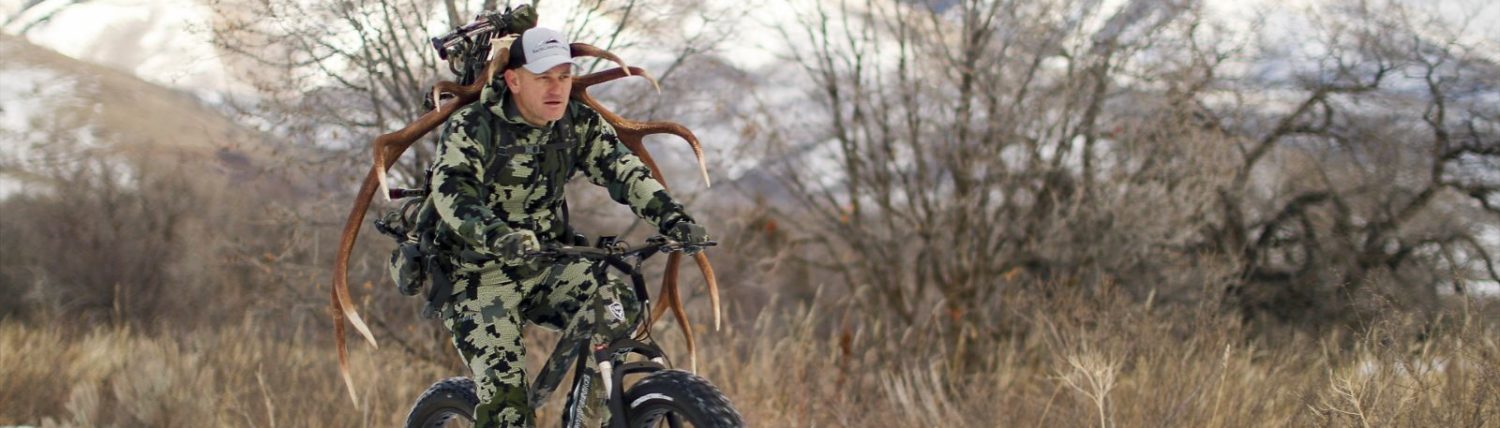
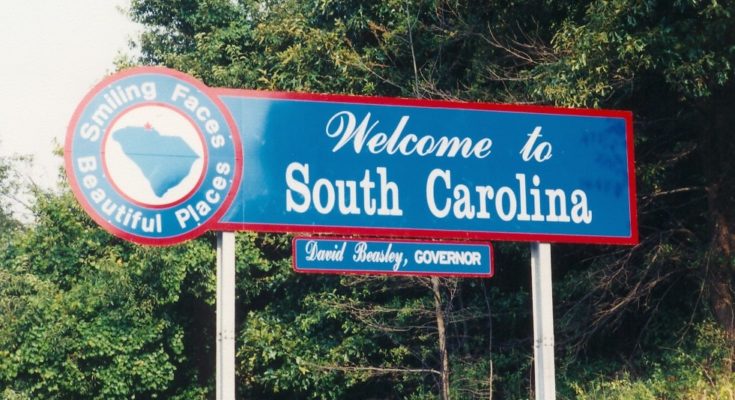
South Carolina has this energy that I absolutely love, it’s got the Southern charm thing going, but the hunting is genuinely tough and wild in ways people don’t expect. I hunted the ACE Basin one December, and we were running hogs through palmettos so thick you couldn’t see your hand in front of your face, with a pack of dogs going absolutely berserk somewhere ahead of us. Then we ate shrimp and grits on the tailgate watching the sun go down over a tidal marsh. That’s South Carolina in a nutshell, raw hunting followed by refinement. This state has layers, and I dig every single one of them.
South Carolina Hunting Regulations Overview
South Carolina hunting licenses are issued by the South Carolina Department of Natural Resources (SCDNR). Residents need a hunting license plus applicable tags and permits. Non-residents can choose from several license options. A WMA permit is required for hunting on state WMA lands. All hunters need to complete hunter education requirements unless exempt by age. Deer and turkey harvests must be reported through the state’s game reporting system.
Deer season in South Carolina is structured by game zone, the state has four game zones with different season dates. In some zones, archery opens as early as August 15 and the deer season can run through January 1. Gun deer season typically starts in mid-August in some coastal zones and progressively later as you move inland and upstate. Bag limits are generous by national standards, check the specific game zone for details. Either-sex days vary by zone and sometimes by method of take. South Carolina’s antlerless deer tagging system uses a set of tags allocated per license.
Turkey season runs from April 1 through May 1 statewide for gobblers. Feral hogs are considered non-game animals and can be taken year-round on private land with no bag limit. South Carolina also offers a popular alligator hunting season with tags awarded by lottery in select units. Check with the SCDNR for current season dates, zone boundaries, and bag limits, as these details can shift annually. For complete season dates and regulations, visit the SCDNR hunting regulations page.
E-Bike Regulations for Hunters in South Carolina
Updated March 2026, E-bike regulations are constantly evolving. Always check the rules for your local jurisdiction before heading out.
South Carolina recognizes the standard three-class ebike system under state law. On public roads and paths where bicycles are permitted, ebikes are generally allowed. However, the rules on hunting lands require closer attention.
On South Carolina WMAs, the SCDNR sets vehicle access rules on an area-by-area basis. Most WMAs restrict motorized vehicles to designated roads and parking areas. Ebikes, as motor-equipped vehicles, are generally subject to these same restrictions. Some WMAs have specific provisions for mobility-impaired hunters that may allow motorized access beyond normal restrictions, but these require special permits. Before riding your ebike onto any WMA, check the area-specific regulations published by the SCDNR. When the regulations are ambiguous about ebikes specifically, contact the regional SCDNR office or the WMA manager, it’s better to ask than to get a citation.
The Francis Marion and Sumter National Forests in South Carolina follow Forest Service rules for ebikes, allowing them on roads and trails designated for motorized use, check the MVUMs for specific roads open to motorized access. Private land use is unrestricted with landowner permission, and South Carolina’s large agricultural operations, timber tracts, and hunting plantations provide excellent ebike opportunities. The Lowcountry, in particular, has massive private properties with networks of dike roads and plantation trails that are perfect for ebike access.
Top Game Species
- White-tailed Deer, South Carolina’s long season is one of its biggest draws. In some game zones, you can be deer hunting from mid-August through New Year’s Day. The Piedmont and Coastal Plain both produce quality bucks, and the generous bag limits mean you can fill the freezer.
- Eastern Wild Turkey, April gobbler season in the South Carolina hardwoods is a beautiful thing. The Piedmont and Lowcountry both hold good turkey populations, and the state has solid public land turkey hunting available.
- Feral Hogs, Extremely abundant in the Coastal Plain and Lowcountry. Year-round harvest with no limits on private land. Dog hunting for hogs is still practiced in parts of South Carolina and is an experience unto itself, loud, chaotic, and wildly exciting.
- American Alligator, South Carolina’s gator hunt has grown in popularity, with lottery tags available for zones along the coast and major river systems. The season typically runs in September and October.
- Dove, Opening day of dove season in South Carolina is a social event. Sunflower fields across the Midlands and Piedmont draw crowds of hunters and huge flights of birds in early September.
- Waterfowl, The coastal marshes and managed impoundments of the Lowcountry offer excellent duck hunting, and the historic rice field impoundments are legendary waterfowl habitat.
Best Regions for E-Bike Hunting
The ACE Basin (Colleton, Beaufort, Hampton Counties). The Ashepoo, Combahee, and Edisto river basin is one of the largest undeveloped estuarine systems on the East Coast, and the hunting is exceptional. Former rice plantations, tidal marshes, pine uplands, and hardwood hammocks create diverse habitat for deer, hogs, turkey, and waterfowl. The network of dike roads and plantation trails throughout the basin is ideal for ebike travel, flat, firm, and well-established. Several WMAs and national wildlife refuge lands provide public access in the basin.
The Pee Dee Region (Florence, Marion, Georgetown Counties). The Great Pee Dee River and its tributaries carve through bottomland hardwood forests that hold outstanding deer and hog populations. The flat river-bottom terrain and agricultural surroundings create a landscape that’s easy to navigate by ebike. Large timber tracts with interior road systems are available through hunting leases, and public WMAs along the river offer additional opportunity.
Upstate Piedmont (Abbeville, Laurens, Newberry Counties). The rolling Piedmont hills of western South Carolina offer excellent deer and turkey hunting with a different feel than the coastal areas. Pine plantations mixed with hardwood drainages create classic Southeast deer habitat. The moderate terrain is manageable on an ebike with pedal assist, and the extensive network of timber roads provides good access to interior hunting areas. Less hog pressure up here, but the deer hunting is strong.
Practical Tips for E-Bike Hunting in South Carolina
August deer season is brutal. South Carolina’s early-opening game zones put you in the woods during peak summer heat. I’m from Florida, so I’m qualified to say this, hunting in August anywhere is a test of mental and physical endurance. If you’re riding an ebike to your stand in August, go before dawn when it’s merely hot instead of punishing. Bring electrolytes, freeze your water bottles, and accept that you will sweat through every piece of clothing you own.
The Lowcountry dike roads are ebike paradise. If you get access to a Lowcountry property with old rice field dikes, you’ve hit the ebike jackpot. These elevated paths wind through marshes and impoundments, providing access to hunting spots that would otherwise require a boat or a very long slog through pluff mud. Firm, flat, and scenic, this is the best ebike riding in the Southeast, hands down.
Sand will surprise you. Coastal Plain soils in South Carolina can be incredibly sandy, especially in the Sandhills region. Deep sand will bog down even fat tires. Learn to read the soil color, white, loose sand is trouble. Packed dark sand or clay-sand mix is usually rideable. Lowering your tire pressure helps in sand, but don’t go so low that you risk a pinch flat.
Alligators are everywhere in the Lowcountry. This isn’t a scare tactic, it’s a practical consideration. If you’re riding along dike roads near impoundments and waterways, gators will be sunning on the path, sitting in roadside ditches, and generally existing in your immediate vicinity. They’ll usually move when they hear you coming, but give them space. Don’t ride up on a big gator that isn’t moving, go around it.
Cottonmouths own the creek crossings. Similar to gators, water moccasins are abundant in the Lowcountry and river bottom areas. When you dismount to cross a creek or walk a sketchy section of trail, watch your step. They blend into the leaf litter disturbingly well. I almost stepped on one at a creek crossing on an ACE Basin property, and it adjusted my attitude for the rest of the hunt.
The Bottom Line
South Carolina serves up a unique hunting experience, from August deer hunting in the Lowcountry heat to spring turkeys in the Piedmont, with hogs, gators, and world-class waterfowl mixed in between. An ebike opens up this state in ways that are hard to appreciate until you’ve cruised a Lowcountry dike road at dawn with deer and herons all around you. If you’re setting up for South Carolina hunts, the ebike options at ebikegeneration.com/?aff=76 are worth a serious look, get something that handles sand and heat, and you’ll be ready for whatever this state throws at you.
Resources & Contacts
South Carolina Department of Natural Resources (SCDNR)
– Website: dnr.sc.gov
– Hunting Regulations: dnr.sc.gov/hunting/regulations.html
– Phone: (803) 734-3886
Wildlife Management Areas
– WMA Listings & Maps
– SCDNR Public Lands Interactive Map
– Phone: (803) 734-3886
National Forests in South Carolina
– Francis Marion National Forest | MVUMs
– Sumter National Forest | MVUMs
State Forests & Public Hunting Land
– SCDNR Managed Lands & Public Hunting
– South Carolina Forestry Commission, State Forests