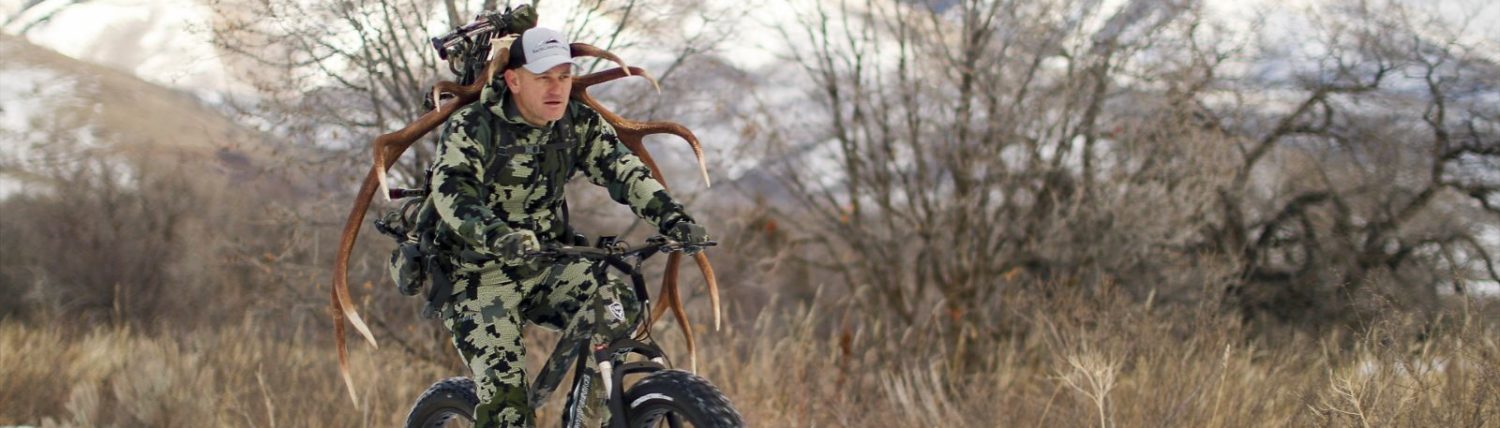
Oklahoma surprised me. I went down for a spring turkey hunt with a buddy who grew up near McAlester, and I walked away thinking two things: the cross timbers are way rougher than they look on a map, and Oklahoma whitetails don’t get the respect they deserve. This state sits at the crossroads of eastern hardwoods and western prairie, and the hunting reflects that mix. It’s not where most out-of-state hunters think to go, and that’s exactly why the experience is so good, you’re not fighting a crowd for a piece of public land.
Oklahoma Hunting Regulations Overview
The Oklahoma Department of Wildlife Conservation (ODWC) manages hunting in the state. Oklahoma offers both resident and nonresident hunting licenses, and the tag system is straightforward. Deer hunting uses a combination of antlered and antlerless permits with different allocations by zone. Archery deer season opens in October and runs through January, providing a long bowhunting window. Muzzleloader season falls in late October, and rifle seasons run in November and December.
Oklahoma allows the harvest of both whitetail and mule deer (mule deer primarily in the Panhandle). The state offers generous bag limits in some zones, particularly for antlerless deer. Turkey hunting includes spring and fall seasons, with spring being the more popular. Elk hunting is available through a limited draw in the Wichita Mountains Wildlife Refuge.
The state also offers excellent feral hog hunting year-round with no bag limits on private land. Wild hogs are classified as an invasive species, and the state encourages harvest. Small game, waterfowl, and upland bird hunting round out the opportunities. Check ODWC for current season dates and zone-specific regulations.
E-Bike Regulations for Hunters in Oklahoma
Updated March 2026, E-bike regulations are constantly evolving. Always check the rules for your local jurisdiction before heading out.
Oklahoma classifies ebikes and treats them similarly to other states with the three-class system for road use. On public hunting lands, motorized vehicle regulations for each specific area determine whether ebikes are permitted.
On ODWC-managed Wildlife Management Areas (WMAs), motorized vehicle use is typically restricted to designated roads and parking areas. Many WMAs have specific rules about vehicle access during hunting seasons, and ebikes are generally treated as motorized vehicles. Some WMAs close roads during certain hunts to reduce disturbance. Check the specific WMA regulations on the ODWC website or posted at area entrances.
Federal lands where hunting occurs include the Ouachita National Forest in southeastern Oklahoma, the Black Kettle and Rita Blanca National Grasslands in western Oklahoma, and various Army Corps of Engineers properties. On national forest and grassland, USFS policy applies. Class 1 ebikes on motorized-designated routes per the MVUM. The Wichita Mountains Wildlife Refuge has its own rules and is primarily managed for elk and longhorn cattle with limited public hunting. Private land hunting is where ebikes have the most flexibility, with landowner permission, you can ride wherever the owner allows.
Top Game Species
- Whitetail Deer, Found statewide with the best hunting in southern and eastern Oklahoma. The cross timbers and river bottoms produce quality bucks. Generous seasons and bag limits.
- Eastern Turkey, Excellent spring gobbler hunting, especially in the Ouachita Mountains and cross timbers region. Rio Grande turkeys in the western part of the state.
- Feral Hog, Year-round, no bag limit on private land. Hogs are widespread and cause significant agricultural damage. Night hunting with thermal optics is popular.
- Elk, Limited draw hunts at the Wichita Mountains Wildlife Refuge. Very difficult to draw but a unique opportunity within the refuge.
- Waterfowl, Central flyway hunting with good duck and goose opportunities, especially on the large reservoirs and river corridors.
- Quail, Bobwhite populations have declined but remain huntable in parts of western and southern Oklahoma. Classic pointing dog country where birds remain.
Best Regions for E-Bike Hunting
Ouachita Mountains (Southeast Oklahoma), The Ouachita National Forest spills over from Arkansas into Oklahoma, offering timbered mountain terrain with whitetail and turkey. Forest roads wind through the mountains, and an ebike can access remote sections of the forest that see little pressure. The terrain is hilly enough to make the motor worthwhile but not so steep that you need a mountain bike.
Cross Timbers Region (Central Oklahoma), The cross timbers, a mix of blackjack oak, post oak, and prairie, runs through central Oklahoma and holds excellent whitetail hunting. State WMAs in this region have road networks where ebikes can be useful. The terrain is surprisingly rough, with rocky ridges and timbered draws.
Panhandle / Black Kettle National Grassland. The Oklahoma Panhandle feels like a different state entirely, open prairie and mule deer country. The Black Kettle National Grassland provides public access with a road network suitable for ebike use. Good for mule deer, pronghorn (limited tags), and upland birds.
Practical Tips for E-Bike Hunting in Oklahoma
-
Heat and humidity are the early-season challenges. October bowhunting in Oklahoma means temperatures in the 80s and 90s with high humidity. Your battery will handle it, but you’ll be soaked in sweat. Hunt mornings and evenings, and use the ebike to minimize walking during the midday heat.
-
Ticks are relentless. Oklahoma has some of the worst tick populations in the country. Permethrin-treat your clothing, check yourself thoroughly after every hunt, and don’t let your riding gear sit on the ground. This isn’t a minor annoyance, tick-borne diseases are a real risk.
-
Hog hunting is the perfect ebike application. Feral hogs are most active at night and in the early morning. An ebike lets you quietly move between feeding areas on private land without spooking everything with an ATV. The low-noise approach is a real advantage when hogs are wary.
-
Red dirt stains everything and clogs everything. Oklahoma’s famous red clay soil gets into your bike’s drivetrain, stains your gear, and makes a mess of your truck. Clean your bike thoroughly after riding in red dirt country, it’s abrasive and will wear your chain and gears faster than normal.
-
Private land access is the key. Oklahoma’s best hunting is on private land, and many landowners are amenable to granting access if you ask respectfully. An ebike can be a selling point, it’s quieter and causes less damage to roads and fields than an ATV, which can make landowners more willing to let you ride their property.
The Bottom Line
Oklahoma is a sleeper hunting state with long seasons, generous tags, and country that transitions from eastern hardwoods to western prairie. An ebike makes sense here on WMAs with road access and especially on private land where you’ve got permission to ride. If you’re building a setup for Oklahoma’s terrain, you can find solid hunting ebike options at ebikegeneration.com/?aff=76, look for something versatile that handles both the rocky cross timbers and the flat prairie roads of the Panhandle.
Resources & Contacts
Oklahoma Department of Wildlife Conservation (ODWC)
– Website: www.wildlifedepartment.com
– Hunting Regulations: wildlifedepartment.com/hunting/regulations
– Phone: (405) 521-3851
Wildlife Management Areas
– ODWC WMA Listings
– Phone: (405) 521-3851
National Forests & Grasslands in Oklahoma
– Ouachita National Forest | check for MVUM under Maps & Publications
– Black Kettle National Grassland | check for MVUM under Maps & Publications
State Public Lands
– ODWC Where to Hunt