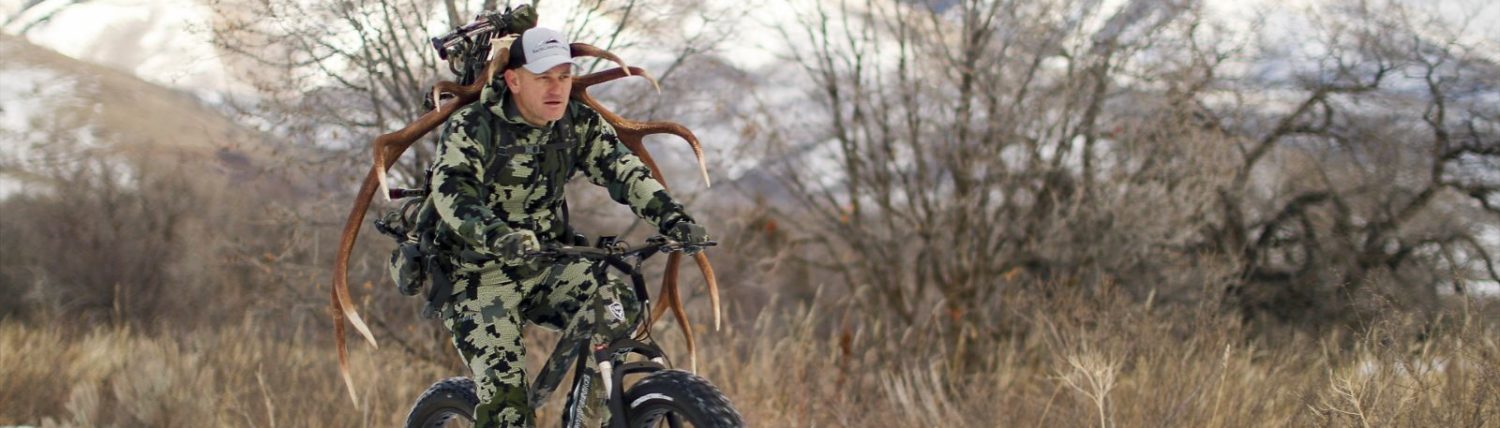
North Carolina surprised me. I came for the spring gobblers in the Piedmont and ended up falling for the whole state. You’ve got mountain hunting in the west that feels like elk country, Piedmont farmland that grows solid whitetails, and coastal plain habitat that’s completely different from anything I hunt back home. From the Smokies to the swamps, this state covers more ground, literally and figuratively, than most hunters realize.
North Carolina Hunting Regulations Overview
The North Carolina Wildlife Resources Commission (NCWRC) manages hunting licenses, which are available online, by phone, or at authorized agents. Both residents and non-residents can purchase licenses, with various combination options available. Hunter education is required for all first-time license buyers.
North Carolina’s deer season varies significantly by zone. The state is divided into multiple zones with different season dates, bag limits, and legal methods. Generally, archery season opens in September in most zones, with blackpowder and gun seasons following from October through January, depending on the zone. Bag limits can be generous, some zones allow six deer per season. Spring turkey season runs from April into May, with a statewide youth weekend typically preceding the general opener. North Carolina also offers bear hunting in certain eastern and mountain counties by permit. The zone system is detailed, so check with the NCWRC for specific dates and rules for where you plan to hunt. For complete season dates and regulations, visit the NCWRC hunting page.
Sunday hunting is legal on private land in North Carolina and has been expanded to some public game lands as well, but not all. Verify Sunday hunting status for your specific public land area.
E-Bike Regulations for Hunters in North Carolina
Updated March 2026, E-bike regulations are constantly evolving. Always check the rules for your local jurisdiction before heading out.
North Carolina adopted the three-class ebike system in 2019, defining ebikes separately from motor vehicles and mopeds. Class 1, 2, and 3 ebikes are treated as bicycles for purposes of road use and are generally permitted on bike paths and multi-use trails unless specifically prohibited.
On Game Lands managed by the NCWRC, motorized vehicle access is restricted to designated roads and parking areas. The NCWRC regulates each game land individually, and many game lands have gated roads that are closed to all motorized traffic but open to foot travel. Whether ebikes are permitted on these gated roads is not uniformly defined, some managers may allow Class 1 pedal-assist bikes while others may not. It is essential to check the specific game land regulations or contact the district biologist before riding your ebike on any NCWRC game land.
National forest land in North Carolina, primarily the Pisgah and Nantahala National Forests in the mountains and the Croatan and Uwharrie National Forests in the Piedmont and coast, follows US Forest Service ebike policy. Check the National Forests in North Carolina maps page for Motor Vehicle Use Maps (MVUMs). Ebikes are generally allowed on roads and trails open to bicycles. These national forests offer significant acreage and trail networks that can provide good ebike access for hunters. Private land, which makes up the majority of North Carolina’s hunting acreage, is governed by landowner permission.
Top Game Species
- White-tailed Deer, North Carolina’s deer population is healthy statewide, with the Piedmont and coastal plain offering the highest densities. The extended season and generous bag limits make this a productive state for venison.
- Wild Turkey, Eastern wild turkeys thrive across most of North Carolina. The Piedmont farm country and mountain hardwoods both hold good populations, and the spring season is a highlight.
- Black Bear, North Carolina’s coastal and mountain bear populations are among the densest in the Southeast. Certain counties offer some of the best bear hunting east of the Mississippi.
- Waterfowl, The coastal sounds and marshes of eastern North Carolina are a major waterfowl destination. Pamlico Sound and the surrounding refuges attract huge numbers of ducks and geese.
- Quail, While bobwhite numbers have declined, parts of the Sandhills and southeastern coastal plain still offer huntable populations, and habitat restoration efforts continue.
Best Regions for E-Bike Hunting
Western Mountains (Pisgah and Nantahala National Forests): Rugged mountain terrain with elevations ranging from 2,000 to over 6,000 feet. The national forest road systems provide miles of ebike-accessible routes through prime deer, turkey, bear, and grouse habitat. The terrain is demanding, steep climbs and long descents, so a capable mid-drive motor and strong brakes are essential. The reward is access to remote mountain coves that see minimal hunting pressure.
Piedmont Game Lands and Uwharrie National Forest: The central Piedmont offers rolling hills, mixed hardwoods, and agricultural edges. The Uwharrie National Forest in particular has a well-developed trail and road system with good ebike potential. Deer and turkey hunting here is solid, and the moderate terrain is far more forgiving on batteries than the mountains.
Coastal Plain (Croatan National Forest, Holly Shelter Game Land): Flat terrain with pocosins, swamps, and pine flats. The flat ground is easy on batteries and motors, and the network of forest roads and fire lanes provides excellent ebike access. This region is particularly strong for deer and bear hunting, with vast tracts of public land.
Practical Tips for E-Bike Hunting in North Carolina
-
Know your zone. North Carolina’s zone system for deer is one of the more complex in the Southeast. Season dates, bag limits, and legal methods vary. Study the regulations for your specific zone before you go. The NCWRC digest is your best friend.
-
Mountain terrain demands respect. If you’re heading to the Pisgah or Nantahala for deer or bear, prepare for serious elevation changes. A mid-drive ebike is strongly recommended over a hub motor for this terrain. Carry a spare battery if you’re planning extended rides on forest roads.
-
Coastal humidity will test your gear. Eastern North Carolina is swampy, humid, and warm well into November. Keep your ebike clean and dry between hunts. Salt air near the coast can accelerate corrosion on metal components, a quick wipe-down after each ride goes a long way.
-
Fire lanes are your friend on the coastal plain. Public game lands in eastern NC are crisscrossed with fire lanes that can provide access deep into the property. Check whether these are open to ebike use on your specific game land, where they are, they’re some of the best ebike hunting routes you’ll find.
-
Spring turkey in the Piedmont is special. The combination of open agricultural fields and hardwood bottoms creates ideal turkey habitat. Ride farm roads and field edges at dawn, listen for gobbling, and set up accordingly. The Piedmont is easier riding than the mountains and lets you cover a lot of country quickly.
The Bottom Line
North Carolina’s diversity is its greatest strength, mountains, Piedmont, and coast each offer a completely different hunting experience. An ebike helps you make the most of all three, whether you’re climbing forest roads in Pisgah or cruising fire lanes on the coastal plain. If you’re ready to explore what this state has to offer on two wheels, you can find solid hunting ebike options at ebikegeneration.com/?aff=76. Pick your region, do your homework on the regulations, and go discover why North Carolina deserves more attention from serious hunters.
Resources & Contacts
North Carolina Wildlife Resources Commission (NCWRC)
– Website: ncwildlife.org
– Hunting Regulations: ncwildlife.org/hunting
– Phone: (919) 707-0010
Game Lands
– NCWRC Game Lands
– Phone: (919) 707-0010
National Forests in North Carolina
– Pisgah & Nantahala National Forests | Maps & Publications (MVUMs)
– Croatan National Forest | Maps & Publications
– Uwharrie National Forest | Maps & Publications
State Forests & Public Hunting Land
– NCWRC Game Lands Map