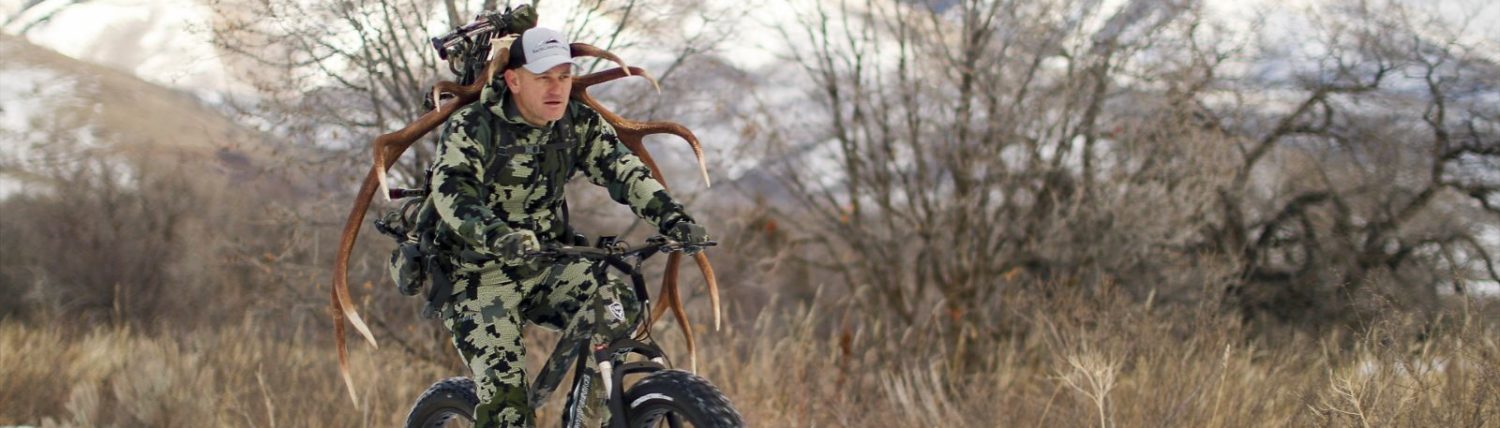
New Hampshire is like Maine’s slightly more civilized little brother. Still rugged, still cold, still full of mountains that make you question your fitness level, but you can actually find a gas station when you need one. I’ve driven up to hunt the White Mountain National Forest area a couple of times, and both times I spent the first hour just staring at the mountains like some kind of tourist before remembering I was supposed to be hunting. The Granite State earns its name, everything up there is either rock, trees, or a combination that’s designed to make you slip and fall. But the hunting is honest, the pressure is manageable, and the cold November mornings feel exactly like they’re supposed to.
New Hampshire Hunting Regulations Overview
New Hampshire Fish and Game Department handles licensing and regulations. A hunting license is required, with separate fees for residents and non-residents. Hunter education certification is mandatory. New Hampshire also requires a OHRV (Off-Highway Recreational Vehicle) registration for motorized vehicles on trails, which could be relevant for e-bike riders depending on classification.
Deer season in New Hampshire includes archery (typically mid-September through mid-December), muzzleloader (late October into November), and firearms (November). New Hampshire uses Wildlife Management Units (WMUs) with varying antlerless permit availability, many units are bucks-only unless you draw an antlerless permit. The deer herd in northern New Hampshire is thinner than the south due to hard winters, so manage your expectations accordingly. Moose permits are available by lottery, similar to Maine. Small game seasons for grouse and hare run through the fall and winter. Turkey has both spring and fall seasons. For complete season dates and regulations, visit the NH Fish and Game hunting page.
New Hampshire does allow Sunday hunting, which is a nice perk compared to some neighboring states.
E-Bike Regulations for Hunters in New Hampshire
Updated March 2026, E-bike regulations are constantly evolving. Always check the rules for your local jurisdiction before heading out.
New Hampshire has addressed e-bikes legislatively, classifying them into the three standard classes. On public roads and multi-use paths, e-bikes are generally treated as bicycles. Where things get complicated is on state-managed lands and the White Mountain National Forest.
On state-owned wildlife management areas and state forests, motorized vehicle restrictions typically apply. Whether e-bikes, particularly Class 1 pedal-assist models, fall under these restrictions isn’t always explicitly addressed in the regulations. NH Fish and Game manages WMAs, while the Division of Forests and Lands manages state forests, and their policies may differ. Contact the managing agency for the specific property you plan to hunt.
The White Mountain National Forest, managed by the US Forest Service, covers a huge chunk of northern New Hampshire. The Forest Service has been developing e-bike policies nationally, and as of the latest guidance, e-bikes may be allowed on roads and trails where traditional bicycles are permitted, but not on non-motorized trails unless specifically designated. Check with the Saco or Pemigewasset Ranger Districts for current e-bike access rules on WMNF lands. Forest Service policy can differ from state policy, so know which agency manages the land you’re on.
Top Game Species
- White-tailed Deer, Southern and central New Hampshire offer the best deer hunting. The Merrimack Valley and southeastern part of the state have the highest densities.
- Moose, New Hampshire’s moose population, while not as large as Maine’s, is still significant. Lottery permits are competitive but drawing one means access to some incredible country.
- Black Bear, Increasing population statewide. Seasons run from September through November with various methods allowed.
- Ruffed Grouse, New Hampshire’s mix of hardwoods and regenerating forest creates good grouse habitat, particularly in the central and northern regions.
- Snowshoe Hare, Northern New Hampshire’s softwood thickets hold strong hare populations. A classic cold-weather pursuit.
- Eastern Wild Turkey, Well-established throughout southern and central New Hampshire. Spring hunting is excellent in the Connecticut River Valley.
Best Regions for E-Bike Hunting
White Mountain National Forest, Over 800,000 acres of federal land open to hunting. The forest road network is extensive, and many gated roads that are closed to motor vehicles could potentially be accessible by e-bike (confirm with the Forest Service). The terrain is mountainous, this is where you’ll appreciate every watt of pedal assist your motor can deliver. Deer, bear, grouse, and hare all live here.
Southwest New Hampshire (Cheshire and Sullivan Counties). This region is more agricultural than the north, with rolling hills and a mix of field and forest. Pisgah State Park in the southwest corner is over 13,000 acres and one of the largest undeveloped areas in southern New Hampshire. The terrain is moderate and well-suited to e-bike travel.
Lakes Region / Central New Hampshire. The areas between the major lakes offer a mix of hardwood ridges and lowland habitat. State WMAs in this region provide access to productive deer and turkey country. Moderate terrain and well-maintained forest roads make e-bike access practical where it’s allowed.
Practical Tips for E-Bike Hunting in New Hampshire
-
Granite State means rocks. The trails in New Hampshire are rocky, really rocky. This isn’t smooth forest road riding. Make sure your e-bike has solid suspension or at least beefy tires that can handle rocks without constant flats. Carry a spare tube and a pump, because I guarantee you’ll need them at the worst possible time.
-
Cold comes early up here. November in northern New Hampshire is winter, not fall. I’ve seen snow on opening day of firearms season more than once. Your battery will feel it, expect 20-30% less range in temps below 20 degrees. Keep your battery indoors the night before and insulate it if you can. Check out our [Best Electric Hunting Bikes] guide for cold-weather recommendations.
-
Know which agency manages your land. Between state Fish and Game, state Forests and Lands, the US Forest Service, and occasionally the Army Corps of Engineers, New Hampshire’s public land is managed by a patchwork of agencies. Each has different rules. Five minutes of research saves a lot of aggravation.
-
Mountain terrain demands mid-drive. If you’re hunting anywhere in the northern half of the state, a hub motor e-bike is going to struggle on the grades. Mid-drive motors handle steep climbs dramatically better. This is the kind of terrain that separates a hunting e-bike from a commuter bike.
-
Grouse hunting by e-bike is underrated. Ride logging roads slowly, hop off when you hit likely cover, work it with a dog or on your own, then ride to the next spot. You can cover miles of habitat in a day that would take a week on foot. Some of my best grouse days have been exactly this approach.
The Bottom Line
New Hampshire is serious hunting country packed into a state small enough that you can hunt the mountains in the morning and be back at a diner in Concord by lunch. An e-bike handles the terrain here better than you’d expect, just respect the hills and the cold and make sure your equipment is up to the task. If you’re shopping for a hunting e-bike that can handle New Hampshire’s granite personality, you can find solid hunting ebike options at ebikegeneration.com/?aff=76. Get something tough. You’ll need it.
Resources & Contacts
New Hampshire Fish and Game Department
– Website: wildlife.nh.gov
– Hunting Regulations: wildlife.nh.gov/hunting
– Phone: (603) 271-3421
Wildlife Management Areas
– NH Fish and Game WMA Listings
– Phone: (603) 271-2461
National Forests in New Hampshire
– White Mountain National Forest | Motor Vehicle Use Maps
State Forests & Public Hunting Land
– NH Division of Forests and Lands
– NH Fish and Game Public Lands