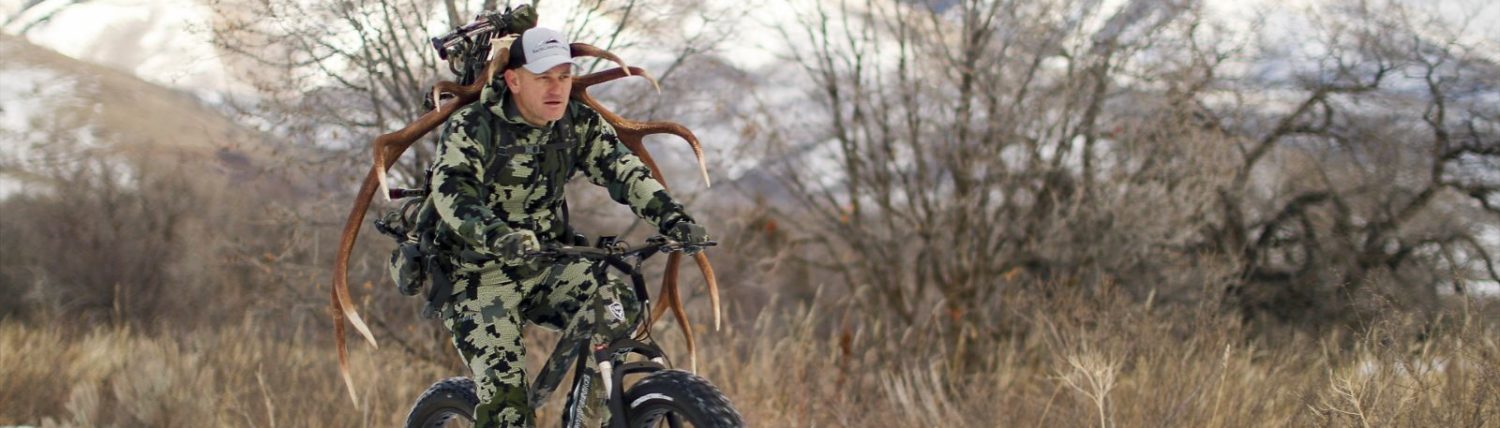
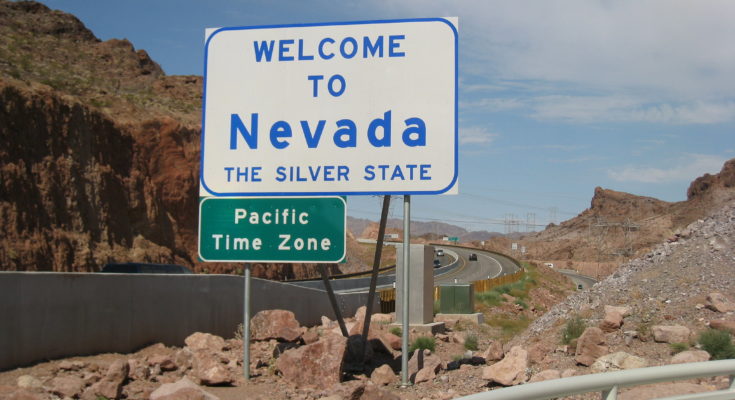
Nevada is the ugly beautiful state. You drive through basin after basin of sagebrush and think “there’s nothing here,” and then you glass a ridge and see a herd of mule deer moving through the junipers like ghosts. I hunted a late-season buck tag in Unit 231 and froze my tail off for a week before connecting on a heavy 4×4 at last light. Nevada is empty country that rewards patience and boot leather, or in this case, tire rubber. The distances between water sources, between ridges, between anything out here make an ebike a real asset.
Nevada Hunting Regulations Overview
The Nevada Department of Wildlife (NDOW) manages hunting through a draw-based system for most big game species. Mule deer, elk, pronghorn, bighorn sheep, and mountain goat all require drawing a tag. Nevada uses a bonus point and preference point system, depending on the species. Some tags take years of applications to draw; others have reasonable first-year odds in less popular units.
Nevada does offer some general season opportunities for small game, upland birds, and waterfowl. Chukar hunting is particularly popular and requires only a general upland game stamp. Cottontail and jackrabbit hunting is year-round with no bag limits.
The state is divided into hunt units, and each unit has specific season dates, weapon restrictions, and bag limits. Seasons vary but generally fall between August and December for big game. Nevada is known for producing trophy-class mule deer and bighorn sheep, and the draw system is part of what maintains that quality. Check NDOW for current application deadlines and draw results.
E-Bike Regulations for Hunters in Nevada
Updated March 2026, E-bike regulations are constantly evolving. Always check the rules for your local jurisdiction before heading out.
Nevada classifies ebikes under the three-class system for road use. For hunting purposes, the key question is motorized vehicle access on public land, and Nevada has a lot of public land, over 80% of the state is federally managed.
The Bureau of Land Management manages the vast majority of Nevada’s hunting land. BLM policy allows Class 1 ebikes on roads and trails designated for motorized use. In practice, this means the extensive network of dirt roads and two-track across Nevada’s basins and range country is generally open to ebike travel. However, some areas have specific travel management plans that restrict motorized access, and Wilderness Study Areas and designated wilderness are off-limits to all motorized and mechanized transport.
National forest land in Nevada (Humboldt-Toiyabe National Forest, primarily) follows USFS policy. Class 1 ebikes on motorized-designated routes per the MVUM. Nevada state lands managed by NDOW, including Wildlife Management Areas, have their own rules about motorized access. Some WMAs restrict or prohibit motorized vehicles. The Sheldon National Wildlife Refuge and other USFWS properties have their own access rules. The good news is that the BLM road network across Nevada is vast and provides excellent ebike access to hunting country. The bad news is that the distances are enormous and you need to plan your battery capacity accordingly.
Top Game Species
- Mule Deer, Nevada’s bread-and-butter big game species. Draw-only, but some units have decent odds. Trophy potential is high, especially in northern and eastern Nevada. Late-season hunts push deer to lower elevations.
- Desert Bighorn Sheep, One of the most coveted tags in North America. Nevada has healthy desert bighorn populations. Once-in-a-lifetime opportunity if you draw.
- Elk, Expanding populations in several mountain ranges. Draw tags are limited but odds have improved as herds grow. The Jarbidge and Monitor Range are notable.
- Pronghorn, Found across much of northern and central Nevada. Draw tags with variable odds depending on unit.
- Chukar, Nevada is the chukar capital of the West. No draw required, just a license and upland stamp. The season runs October through February. Be prepared to climb.
- Mountain Lion, Available with a tag. Generally harvested incidentally or with hounds. Liberal quotas in most units.
Best Regions for E-Bike Hunting
Ruby Mountains / Elko County, The Rubies are one of Nevada’s most impressive mountain ranges, with good elk, mule deer, and chukar hunting. BLM and forest roads approach the range from multiple directions, and an ebike can cover the long approach roads from the valleys to the mountain foothills. The distances from pavement to hunting country can be 20+ miles, which is prime ebike territory.
Sheldon Country / Northern Washoe County. The high desert of far northern Nevada is remote, empty, and holds excellent pronghorn and mule deer. The road network is sparse but rideable, and an ebike lets you access areas that are simply too far to walk from where you park the truck.
Monitor Range / Nye County, Central Nevada’s Monitor Range holds elk and mule deer in mountain terrain surrounded by vast basins. BLM roads wind through the sage and up into the piney slopes. An ebike is ideal for the long, gradual climbs from the basin floor to the timbered hunting zone.
Practical Tips for E-Bike Hunting in Nevada
-
Water is everything. Nevada is the driest state in the country. Animals concentrate around water sources, springs, guzzlers, and the rare creek. Use your ebike to check multiple water sources in a day. Carry more water for yourself than you think you need. This is desert country that will dehydrate you before you notice.
-
Distances will humble you. Nevada’s basins look flat and short on a map. They’re not. What looks like five miles on a topo is often ten, and the sage, rocks, and washouts make every mile feel longer. An ebike is the perfect tool for Nevada’s scale, but plan your battery usage carefully. Running out of juice 15 miles from the truck is a long walk.
-
Chukar hunting and ebikes are a match made in heaven. Ride the two-track roads along the rimrock and canyon edges, glass for birds, then drop down on foot to hunt them. An ebike saves the leg-burning road walking and lets you conserve energy for the actual steep stuff where chukar live.
-
Dust gets everywhere. Fine Nevada desert dust is brutal on bike components. The motor, chain, and electrical connections all take a beating. Clean your bike after every day in the field, or you’ll be replacing parts sooner than expected.
-
Night temperatures drop fast. Even in September, Nevada desert can go from 90 degrees during the day to 30 degrees at night. Riding to your hunting area before dawn means dressing for freezing temps on the bike and then shedding layers when the sun hits. Plan your clothing system accordingly.
The Bottom Line
Nevada is big, dry, and empty, exactly the kind of country where an ebike earns its keep. The BLM road network is your highway system, and the distances between productive hunting areas make pedaling without assist impractical. If you’re setting up for Nevada’s demanding terrain and distances, you can find solid hunting ebike options at ebikegeneration.com/?aff=76, prioritize battery range above everything else, because out here, range is life.
Resources & Contacts
Nevada Department of Wildlife (NDOW)
– Website: www.ndow.org
– Hunting Information: ndow.org/hunting
– Phone: (775) 688-1500
Wildlife Management Areas
– NDOW WMA Information
– Phone: (775) 688-1500
National Forests in Nevada
– Humboldt-Toiyabe National Forest | check for MVUM under Maps & Publications
BLM Nevada
– Website: www.blm.gov/nevada
– Phone: (775) 861-6400
State Public Lands
– NDOW Hunt Planner Map