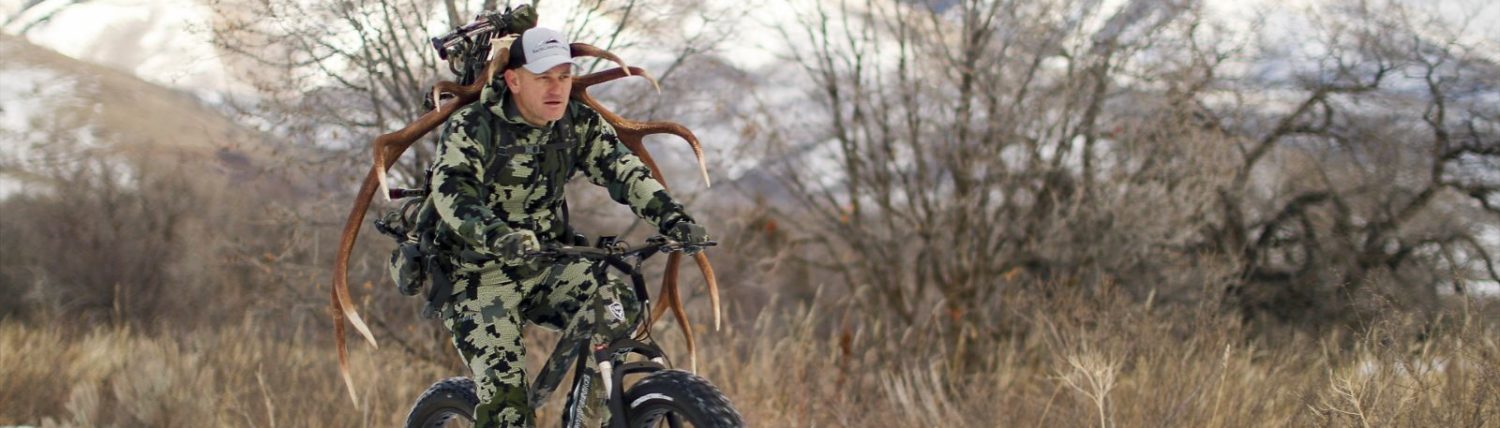
I’ll say this about Massachusetts, it’s not the easiest state to be a hunter in. You’ve got a lot of people who think hunting means something you do for antiques on Cape Cod. But the western part of the state? Out in the Berkshires and the Connecticut River Valley? That’s real hunting country. I’ve chased grouse through mountain laurel thickets out there that shredded my pants and my dignity in equal measure. Massachusetts also has some of the most frustrating firearm regulations in the northeast, so if you’re coming from a state where things are simpler, prepare yourself. But the hunting itself, when you find the right spots, is genuinely good.
Massachusetts Hunting Regulations Overview
Massachusetts hunting licenses are issued by the Division of Fisheries and Wildlife (MassWildlife). Hunter education is mandatory, and the state honors out-of-state certifications. You’ll need a basic hunting license plus stamps or permits for specific game, archery stamps, primitive firearms stamps, turkey permits, and so on. Massachusetts has more license categories than most states, so read the requirements carefully for what you plan to hunt.
Deer season follows the usual northeast template but with some important twists. Archery typically opens in mid-October, shotgun season is usually the first two weeks of December, and primitive firearms (muzzleloader) follows. Note that Massachusetts is shotgun-only for firearms deer hunting in most zones, no centerfire rifles. The state uses deer management zones with varying antlerless permit availability. Squirrel season generally runs from mid-October through the end of February. Turkey hunting has a spring season (usually late April through May) and a fall season. Pheasant stocking on WMAs adds an upland opportunity. For complete season dates and regulations, visit the MassWildlife hunting page.
Massachusetts requires deer to be checked at an official check station or through an online/phone system, depending on the current reporting requirements.
E-Bike Regulations for Hunters in Massachusetts
Updated March 2026, E-bike regulations are constantly evolving. Always check the rules for your local jurisdiction before heading out.
Massachusetts has adopted e-bike legislation that establishes the three-class system. E-bikes are generally allowed where bicycles are allowed on roads and public paths. But the question for hunters is, what about state forests and WMAs?
MassWildlife manages wildlife management areas, while the Department of Conservation and Recreation (DCR) manages state forests and parks. These two agencies may have different policies on e-bike access. On WMAs, motorized vehicles are generally prohibited off of access roads and parking areas. Whether an e-bike qualifies as motorized on WMA land is something you should verify with MassWildlife directly. DCR state forests may allow bicycles on certain trails, and Class 1 e-bikes may be treated similarly, but policies are evolving.
The bottom line: Massachusetts has a lot of layers to its land management, and e-bike policy isn’t always clearly stated in hunting regulations. Before you ride your e-bike onto any public hunting land, contact the managing agency for that specific property. It’s a phone call that takes five minutes and could save you a citation. On private land with permission, you’re good to go.
Top Game Species
- White-tailed Deer, Central and western Massachusetts hold healthy deer populations. The December shotgun season is a tradition in the Commonwealth, and the archery season offers less-pressured hunting.
- Eastern Wild Turkey, Massachusetts was one of the early turkey restoration success stories. Spring gobbler hunting in the Connecticut River Valley is excellent.
- Ruffed Grouse, Western Massachusetts still holds huntable grouse populations in young forest habitat. Not like it was 30 years ago, but if you know where to look, you can find birds.
- Ring-necked Pheasant, MassWildlife stocks pheasants on designated WMAs. Check the stocking schedule and get there early, these birds get pressured fast.
- Gray Squirrel, The oak-hickory forests of central and western Massachusetts are loaded. A great species for getting out on a crisp fall morning with minimal gear.
- Waterfowl, Coastal marshes, the Connecticut River, and inland beaver ponds all provide duck hunting opportunities.
Best Regions for E-Bike Hunting
The Berkshires (Berkshire County), Western Massachusetts is where it’s at for hunting. October Mountain State Forest is the largest state forest in Massachusetts at over 16,000 acres, and there are several other large state forests and WMAs in the area. The terrain is hilly. Appalachian foothills, which is exactly where e-bike pedal assist pays dividends. Deer, turkey, bear, and grouse all call this area home.
Connecticut River Valley (Hampshire and Franklin Counties). The valley itself is agricultural, with forested hills on either side. Great turkey habitat, good deer populations, and a mix of state WMAs and private land. The terrain is moderate and the trail networks are more developed, making e-bike travel practical. Montague Plains WMA is worth a look for its unique sand-plain habitat.
Central Massachusetts (Worcester County), Often overlooked in favor of the west, but central Massachusetts has substantial state forests and WMAs with lower hunting pressure. Rutland, Hubbardston, and Oakham state forests offer large blocks of huntable land. Rolling terrain that an e-bike handles well.
Practical Tips for E-Bike Hunting in Massachusetts
-
Know your weapon laws before you travel. Massachusetts has some of the strictest firearm regulations in the country. If you’re coming from out of state, understand the transport laws, magazine capacity restrictions, and approved firearms list. This isn’t the state to wing it on compliance.
-
Pheasant stocking days are where an e-bike shines. MassWildlife publishes stocking schedules for WMAs. Arriving early and getting to the far end of a WMA via e-bike puts you on birds that the parking-lot crowd will never reach. Just make sure e-bike access is allowed on that specific WMA.
-
October Mountain is worth the trip. It’s big enough to actually feel remote, which is rare in Massachusetts. An e-bike lets you access the interior sections that most hunters skip because they don’t want to hike that far. Check out our [Best Electric Hunting Bikes] guide for bikes that handle mountain terrain.
-
Watch for mountain laurel and blowdowns. Western Massachusetts trails can be choked with mountain laurel thickets and fallen trees, especially after storms. Know your route before you commit to it on two wheels. I’ve had to portage my bike over blowdowns more than once, and let me tell you, carrying a 60-pound e-bike over a downed hemlock is not dignified.
-
Leaf cover changes everything. In October, the leaf canopy is still thick and visibility is limited. By December shotgun season, the woods are wide open. Both conditions change how you hunt and how visible you are on your e-bike. Wear blaze orange when required and even when it’s not, there are a lot of recreational users on Massachusetts public land.
The Bottom Line
Massachusetts isn’t the most hunter-friendly state politically, but the actual hunting, especially in the western part, is better than most people give it credit for. An e-bike helps you make the most of the public land that’s available, and getting deeper into places like October Mountain can mean the difference between seeing deer and seeing hikers. If you’re ready to gear up, you can find solid hunting ebike options at ebikegeneration.com/?aff=76. Just do your homework on the regulations first, because Massachusetts has a regulation for everything.
Resources & Contacts
Massachusetts Division of Fisheries and Wildlife (MassWildlife)
– Website: mass.gov/orgs/division-of-fisheries-and-wildlife
– Hunting Regulations: mass.gov/hunting-regulations
– Phone: (508) 389-6300
Wildlife Management Areas
– MassWildlife WMA Listings
– Phone: (508) 389-6300
State Forests & Public Hunting Land
– DCR State Forests and Parks
– MassWildlife Public Hunting Lands