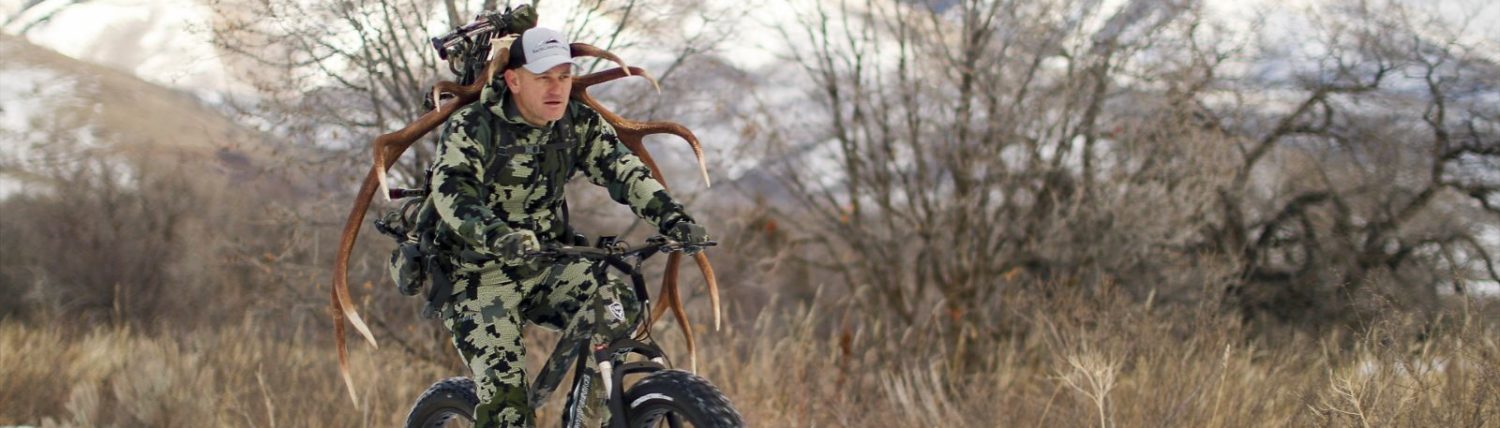
Maryland is one of those states that doesn’t get enough credit from the hunting world. People think of it as a DC suburb with some crab shacks, and yeah, the eastern half is pretty flat and developed. But the western part of Maryland? That’s legit Appalachian mountain country. I hunted out near Green Ridge one November and spent the whole weekend climbing ridges that would make a mountain goat reconsider its life choices. Good deer country, though. Real good. And the weather was just cold enough to make me feel at home without making me question why I do this.
Maryland Hunting Regulations Overview
Maryland’s Department of Natural Resources (DNR) handles hunting licenses and regulations. You’ll need a hunting license, and non-residents pay more but still have full access to public land. Hunter education is required for first-time buyers. Maryland uses a region-based system for deer hunting, the state is divided into deer management regions with different season dates and bag limits.
Deer seasons in Maryland are well-structured. Archery typically opens in mid-September and runs into January, giving bowhunters a long window. Firearms season varies by region, generally two weeks in late November and early December. Muzzleloader season follows. Maryland also has a junior deer hunting day and various antlerless-only days designed to manage herd size. For small game, squirrel season usually opens in early October. Turkey has both spring and fall seasons. Maryland’s sika deer hunting on the Eastern Shore is unique, you won’t find that opportunity in many other states. For complete season dates and regulations, visit the DNR hunting regulations page.
Important note: Maryland has traditionally restricted Sunday hunting on public land, though the state has been gradually expanding Sunday hunting opportunities in recent years. Check current rules before planning a Sunday outing.
E-Bike Regulations for Hunters in Maryland
Updated March 2026, E-bike regulations are constantly evolving. Always check the rules for your local jurisdiction before heading out.
Maryland has adopted e-bike legislation that classifies e-bikes into the standard three classes and generally treats them as bicycles for road and path use. But the question for hunters is always about what’s allowed on public hunting lands.
On state forests and wildlife management areas managed by DNR, motorized vehicle access is generally restricted to designated roads. The classification of e-bikes on these lands can be ambiguous. Maryland’s public lands vary widely, from the large state forests in western Maryland to the smaller WMAs on the Eastern Shore, and access rules aren’t always uniform. Some properties have vehicle gates with walk-in access only beyond certain points, where an e-bike’s status becomes a question worth asking about before you ride past the gate.
Green Ridge State Forest in western Maryland, one of the state’s largest public hunting areas, has an extensive road network, some open to vehicles, some gated. Understanding which roads allow what type of vehicle is key. Contact DNR or check their online maps for specific property access rules before you ride. On private land, landowner permission is all you need, and an e-bike is a smart way to access larger farms and timber tracts quietly.
Top Game Species
- White-tailed Deer, Maryland’s deer population is strong across most of the state. Western Maryland’s mountain bucks get big, and the long archery season gives you plenty of chances.
- Sika Deer, The Eastern Shore’s Dorchester County area has a unique population of sika deer, a small Asian elk species established decades ago. Hunting them in the marshes is unlike anything else in the mid-Atlantic.
- Eastern Wild Turkey, Healthy populations statewide, with spring being the primary season. The western mountains and piedmont regions are particularly productive.
- Gray Squirrel, Abundant in the hardwoods throughout the state. Western Maryland’s oak forests are especially productive for squirrel hunting.
- Waterfowl, The Chesapeake Bay region is legendary for waterfowl hunting. Ducks, geese, and sea ducks draw hunters from across the east coast.
Best Regions for E-Bike Hunting
Western Maryland (Allegany and Garrett Counties). This is where Maryland feels like a different state entirely. Green Ridge State Forest alone covers over 49,000 acres of rugged Appalachian terrain. Savage River State Forest adds another 54,000 acres. The road networks through these forests are where an e-bike truly shines, getting deep into the property without the noise of a truck or ATV, and tackling those ridge climbs without destroying your legs before you even start hunting.
Eastern Shore WMAs, The flat agricultural landscape of Maryland’s Eastern Shore is dotted with wildlife management areas that offer good deer, turkey, and waterfowl hunting. The flat terrain is incredibly e-bike-friendly, you’ll barely tap your battery all day. LeCompte WMA and Fishing Bay WMA are worth investigating.
Central Maryland Piedmont, The rolling hills between Baltimore and Frederick hold productive deer hunting on a mix of state land and private farms. Patuxent Research Refuge (check access rules carefully) and surrounding areas offer huntable habitat with moderate terrain that works well for e-bikes.
Practical Tips for E-Bike Hunting in Maryland
-
Western Maryland hills are no joke. If you’re planning to ride Green Ridge or Savage River, make sure your e-bike has real hill-climbing power and enough battery for repeated climbs. I burned through battery faster in those ridges than I do in a full day back home. A mid-drive motor handles these grades much better than a hub motor.
-
Eastern Shore means flat, but also mud. The farm roads and WMA access roads on the Eastern Shore can get incredibly muddy after rain. Fat tires with aggressive tread are essential. Don’t be the person who buries their bike axle-deep in a soybean field access road in November.
-
Learn the Sunday rules. Maryland’s Sunday hunting situation has been evolving. Some public lands allow it, some don’t, and it can vary by season and weapon type. Don’t just assume, check DNR’s current regulations for the specific property and season.
-
Sika deer hunting is worth a trip. If you’ve never hunted sika deer in the Dorchester County marshes, put it on your list. An e-bike can help you access the edges of the marsh country, though you’ll be on foot once you hit the wet stuff. It’s a totally unique experience. Check out our [Best Electric Hunting Bikes] guide for bikes that handle wet conditions.
-
October weather is perfect. Maryland’s early fall is some of the best hunting weather in the northeast, cool mornings, warm afternoons, and the leaves are still turning. Your battery performs great in these temperatures, and you’ll actually enjoy the ride to your stand.
The Bottom Line
Maryland has more hunting diversity than most people realize, from mountain bucks in the west to sika deer in the eastern marshes and world-class waterfowl on the Chesapeake. An e-bike fits right into a Maryland hunting strategy, especially on those sprawling western state forests. If you’re in the market for a hunting e-bike, you can find solid hunting ebike options at ebikegeneration.com/?aff=76, and then go figure out what a sika deer sounds like at night, because that alone is worth the trip.
Resources & Contacts
Maryland Department of Natural Resources (DNR)
– Website: dnr.maryland.gov
– Hunting Regulations: dnr.maryland.gov/wildlife/Pages/hunt_trap/regulations.aspx
– Phone: (410) 260-8540
Wildlife Management Areas
– Maryland WMA Listings
– Phone: (410) 260-8540
State Forests & Public Hunting Land
– Maryland State Forests
– Maryland Public Hunting Lands