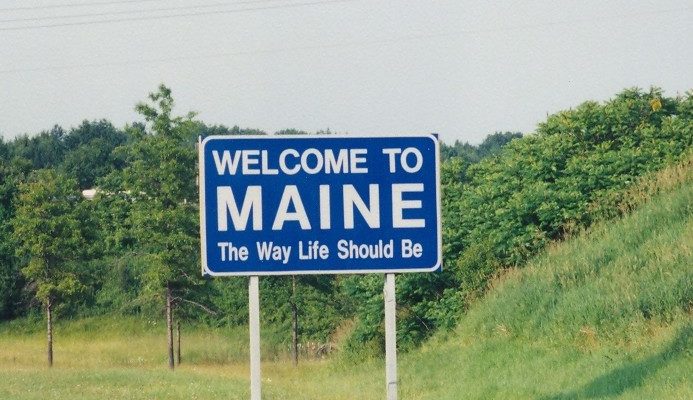
Maine is the state I think about when I’m sitting in my stand back home and everything is going wrong, the wind’s swirling, there’s a housing development being built within earshot, and the biggest thing I’ve seen all day is a gray squirrel with an attitude. Maine is what hunting is supposed to feel like. Huge tracts of unbroken forest, more moose than people in some counties, and cold that makes upstate New York feel like a beach vacation. I’ve hunted up there a handful of times and every time I come home thinking about when I can go back. Also every time I come home I can’t feel my toes for about three days.
Maine Hunting Regulations Overview
Maine’s hunting licenses are managed by the Department of Inland Fisheries and Wildlife (DIFW). Resident licenses are reasonably priced; non-resident licenses are steeper but still worth it for what you get access to. Hunter education certification is required. Maine also has a unique system for moose, it’s a lottery, and the odds aren’t great, but if you draw a tag, you’re in for the hunt of a lifetime.
Deer season in Maine includes archery (typically starting in late September), a firearms season in November, and muzzleloader in early December. Maine uses Wildlife Management Districts (WMDs) with varying antlerless permit availability. The northern part of the state has lower deer density due to harder winters, while southern and central Maine hold stronger populations. Small game seasons are generous, snowshoe hare, squirrel, and ruffed grouse all have long seasons. Bear hunting is also significant in Maine, with seasons starting in late August and running through November, including hound, bait, and trapping methods depending on the season segment. For complete season dates and regulations, visit the DIFW hunting page.
Maine has also traditionally allowed Sunday hunting, which isn’t the case in every northeast state. That said, always verify current rules, things change.
E-Bike Regulations for Hunters in Maine
Updated March 2026, E-bike regulations are constantly evolving. Always check the rules for your local jurisdiction before heading out.
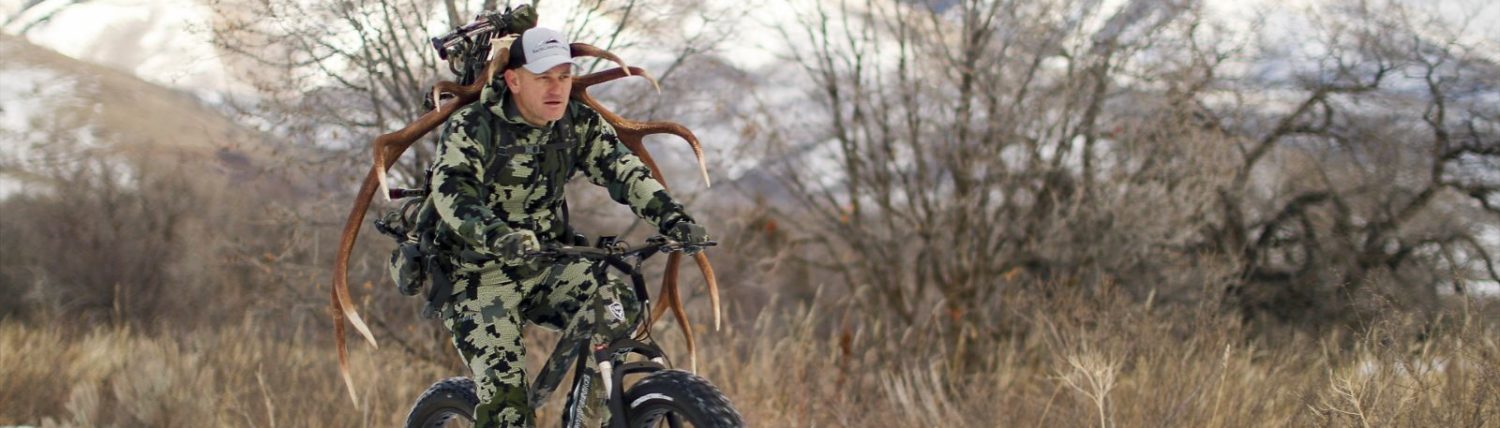
Maine is interesting when it comes to e-bikes on public land. The state has adopted the three-class e-bike system, and e-bikes are generally allowed where traditional bicycles are permitted. But here’s the catch. Maine has a massive amount of unorganized territory and private timberland that’s open to public recreation, and the rules for these lands don’t always match what you’d find on state-managed property.
On state-owned public lands, including wildlife management areas and public reserved lands, motorized vehicle use is generally restricted to designated roads and trails. E-bikes may or may not be classified as motorized vehicles depending on the specific land unit and its management plan. The Bureau of Parks and Lands and DIFW manage different properties with different rules, so check the specific area you’re planning to hunt.
The big opportunity in Maine is the vast network of private timberland, managed by companies like Irving, Weyerhaeuser, and others, that’s open to public access through North Maine Woods and similar programs. Many of these lands allow motorized vehicle access on logging roads (sometimes with a gate fee), and an e-bike can be an excellent way to travel these roads quietly, especially during hunting season. Just be aware of active logging operations and respect any posted restrictions.
Top Game Species
- White-tailed Deer, Southern and central Maine offer the best deer hunting. The November firearms season is a cultural event up here, half the state seems to shut down for it.
- Moose, Maine has the largest moose population in the lower 48. Drawing a moose permit is tough but not impossible, and the experience is incredible. An e-bike could be useful for accessing remote areas during moose season.
- Black Bear, Maine is one of the top bear hunting states in the east. Multiple season segments and methods give you options from late summer through fall.
- Ruffed Grouse, The logging cuts and regenerating forest throughout Maine create excellent grouse habitat. October grouse hunting in Maine is about as good as it gets in the northeast.
- Snowshoe Hare, Thick softwood cover in northern Maine holds strong hare populations. A long season makes this a great cold-weather pursuit.
- Wild Turkey, The turkey population has expanded significantly into southern and central Maine. Spring season is well-established.
Best Regions for E-Bike Hunting
The Unorganized Territories / North Maine Woods. This is the big draw. Millions of acres of working forest with gated road access. An e-bike is perfect for covering the long distances between logging road intersections without the noise of a truck or ATV. You can access remote ponds, ridges, and clear-cuts that most hunters never reach. Gate fees and access rules vary, check with North Maine Woods Inc. for current info.
Down East (Washington County), One of Maine’s least populated regions. A mix of blueberry barrens, softwood forest, and alder runs creates diverse habitat. Public land options include large wildlife management areas. The relatively flat coastal terrain is forgiving on e-bike batteries, and hunting pressure is low.
Western Mountains (Oxford and Franklin Counties). Hilly terrain with extensive forest cover. Good for deer, bear, and grouse. The old logging roads threading through these hills are natural e-bike routes, though you’ll want a bike with solid hill-climbing ability and good battery capacity. Rangeley and Bethel areas offer a mix of public and private access.
Practical Tips for E-Bike Hunting in Maine
-
Cold will eat your battery alive. I’m not talking about the 30-degree mornings I deal with in New York. I’m talking about single digits, teens, with wind chill that makes your eyes water. Keep your battery warm, bring it inside overnight, and if you’re camping, keep it in your sleeping bag. Seriously. A cold-soaked lithium battery can lose 30-40% of its capacity. Check out our [Best Electric Hunting Bikes] guide for cold-weather battery tips.
-
Distances are real up here. Maine is big. Like, bigger-than-you-think big. A logging road that looks like a short hop on the map can be 15 miles of rough gravel. Make sure your e-bike has the range for your plan, and carry a repair kit because you might be a long way from help.
-
Respect the logging trucks. On private timberland roads, loaded logging trucks have the right of way, and they’re not slowing down for your e-bike. Stay alert, stay visible, and pull way off the road when you hear one coming.
-
Moose on the roads are a real hazard. This isn’t a joke. Moose wander logging roads constantly, especially at dawn and dusk. Hitting a moose on an e-bike would ruin a lot more than your hunt. Keep your speed reasonable and your eyes up.
-
Bring more layers than you think you need. Riding an e-bike generates less body heat than hiking, especially with pedal assist doing the heavy lifting. You’ll cool down fast on a November morning ride, and hypothermia is a real concern in Maine’s backcountry. Dress for the stand, not the ride.
The Bottom Line
Maine is the real deal, vast, wild, and full of game. An e-bike opens up access to country that would otherwise require an ATV or a very long walk, and it does it quietly enough that you’re not blowing out every deer within a mile of the road. If you’re serious about a Maine hunting trip with an e-bike, you can find solid hunting ebike options at ebikegeneration.com/?aff=76, just make sure you get something built for the cold and the miles, because Maine will test both.
Resources & Contacts
Maine Department of Inland Fisheries and Wildlife (DIFW)
– Website: maine.gov/ifw
– Hunting Regulations: maine.gov/ifw/hunting-trapping
– Phone: (207) 287-8000
Wildlife Management Areas
– Maine Wildlife Management Districts
– Phone: (207) 287-8000
National Forests in Maine
– White Mountain National Forest (extends into western Maine)
State Forests & Public Hunting Land
– Maine Bureau of Parks and Lands
– Maine Public Reserved Lands