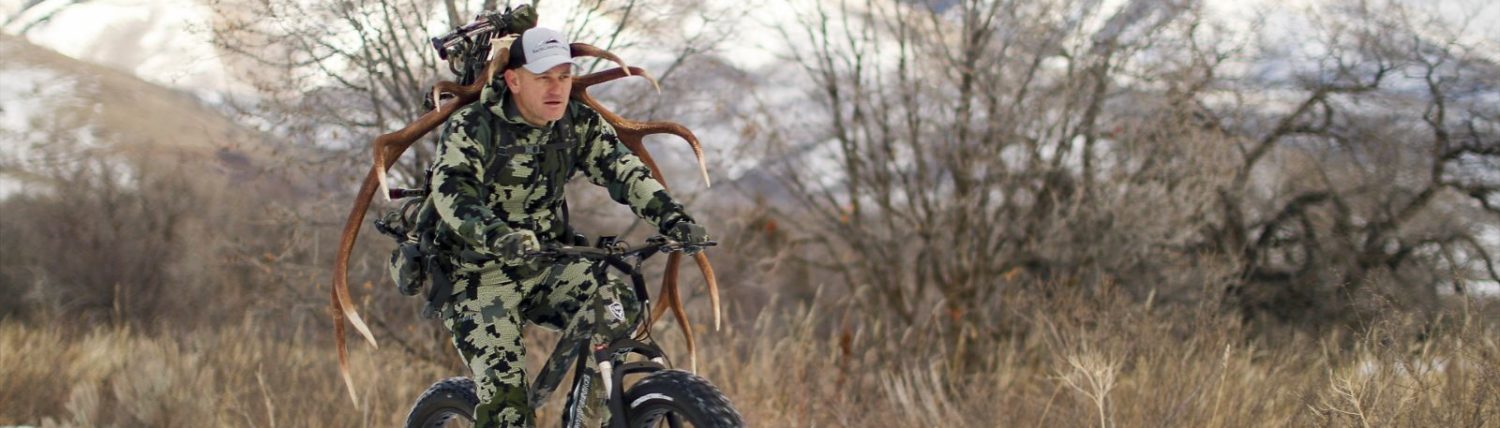
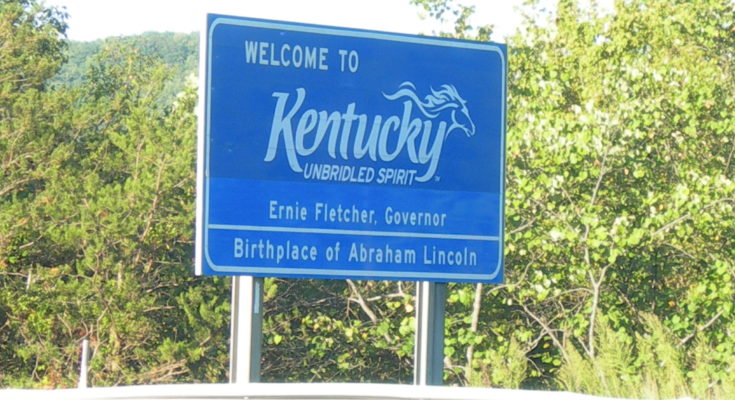
Kentucky has always felt like a place where hunting is woven into the fabric of daily life. I spent a spring in the western part of the state chasing gobblers through creek-bottom hardwoods, and I don’t think I went a single morning without hearing at least three birds. Between the elk opportunities in the east, the quality deer hunting statewide, and a turkey population that just won’t quit, the Bluegrass State has something for just about every hunter.
Kentucky Hunting Regulations Overview
Hunting licenses in Kentucky are issued by the Kentucky Department of Fish and Wildlife Resources (KDFWR). Both residents and non-residents can purchase licenses online. Kentucky offers combination licenses that bundle deer, turkey, and small game, which can save you money if you plan to chase multiple species. A Hunter Education course is required for first-time buyers.
Kentucky’s deer season is extensive. Archery typically opens in early September and runs through mid-January, one of the longest bow seasons in the country. Modern gun season falls in mid-November for roughly two weeks, with additional crossbow, muzzleloader, and late-season opportunities scattered through the fall and winter. Spring turkey season generally runs from mid-April through early May. Kentucky also has a highly coveted elk hunting program in the southeastern part of the state, managed through a lottery draw with very limited tags. Check KDFWR for current season dates, zone boundaries, and any antler restrictions in effect. For complete season dates and regulations, visit the KDFWR hunting page.
Telecheck is Kentucky’s harvest-reporting system, you’re required to report your harvest electronically on the same day. It’s simple and can be done by phone or online.
E-Bike Regulations for Hunters in Kentucky
Updated March 2026, E-bike regulations are constantly evolving. Always check the rules for your local jurisdiction before heading out.
Kentucky has been relatively progressive on ebike access compared to some neighboring states. The state has adopted the three-class ebike classification. Class 1 and Class 2 ebikes are generally treated as bicycles for road and trail purposes under state law.
On Kentucky’s Wildlife Management Areas (WMAs), however, motorized vehicle use is governed by specific WMA regulations. Many WMAs restrict all motorized vehicles to designated roads and parking areas. Whether an ebike qualifies as a “motorized vehicle” on a given WMA can depend on local management interpretation. Some WMAs have gated roads that are open to foot traffic and bicycles but closed to motorized vehicles, and ebikes may or may not be welcome through those gates. Contact the KDFWR regional office responsible for your target WMA before assuming ebike access.
The Daniel Boone National Forest, which covers roughly 700,000 acres across eastern Kentucky, follows US Forest Service policy on ebikes. Check the Daniel Boone National Forest maps and publications page for Motor Vehicle Use Maps (MVUMs). Generally, ebikes are permitted on roads and trails where bicycles are allowed. This opens up a significant amount of terrain for ebike-assisted hunting access. Kentucky’s state forests similarly may allow ebike use on established roads and trails, but confirm with the specific property. On private land, which makes up the majority of Kentucky’s hunting acres, the landowner’s permission is all you need.
Top Game Species
- White-tailed Deer, Kentucky produces excellent whitetails across the state. Western Kentucky’s agricultural zones and the timbered ridges of the east both hold strong deer numbers, and the early September archery opener means you can hunt in velvet.
- Wild Turkey, Kentucky is one of the best turkey states in the country, with a healthy population statewide. The spring season features aggressive gobbling activity, and public land opportunities are abundant.
- Elk, Kentucky’s elk herd in the southeastern counties is the largest east of the Mississippi. Tags are extremely limited, but if you draw one, you’re in for a hunt of a lifetime. The terrain is rugged and remote, perfect for ebike access.
- Squirrel, Kentucky’s squirrel hunting tradition runs deep. The state’s hardwood forests support excellent populations, and early-fall squirrel hunting is a great way to get kids into the woods.
- Grouse, Ruffed grouse hunting in eastern Kentucky’s mountains provides a challenging upland experience in beautiful country.
Best Regions for E-Bike Hunting
Western Kentucky (Land Between the Lakes, Ballard WMA): The terrain here is gently rolling to flat, which is easy on ebike batteries. Land Between the Lakes National Recreation Area offers over 170,000 acres of public land with an extensive road system. Deer and turkey hunting are both excellent, and the distances involved make an ebike a practical advantage.
Daniel Boone National Forest (Eastern Kentucky): This vast national forest offers the most public land access in the state. Forest roads wind through ridge-and-hollow terrain that holds excellent deer, turkey, and grouse. The terrain is challenging, expect serious elevation changes, but a capable ebike with a mid-drive motor can handle the established roads. You’ll access areas most hunters never reach.
Green River Corridor (Hart, Edmonson, Butler Counties): The timbered bluffs and bottomlands along the Green River hold outstanding deer and turkey. Public access points are spread out, and using an ebike to move along river-bottom roads between hunting spots is efficient and quiet.
Practical Tips for E-Bike Hunting in Kentucky
-
Take advantage of the early archery season. Kentucky’s September bow opener lets you hunt deer still in velvet. Ride your ebike to stands near food plots and field edges in the early season, but manage your scent carefully, warm-weather hunts demand it.
-
Eastern Kentucky terrain is no joke. The mountains in the Daniel Boone region will drain your battery fast. If you’re planning to ride forest roads in this part of the state, bring a battery with real capacity or carry a spare. Stick to ridge roads when possible to avoid constant climbing.
-
Spring turkey and ebikes are a perfect match. Ride logging roads at dawn to listen for gobbling, pinpoint a bird, park the bike, and move in on foot. I’ve killed two Kentucky gobblers using exactly this method. The quiet approach means you can get close without the bird hearing an engine a half-mile away.
-
Watch for ticks. Kentucky’s woods are thick with ticks from April through October. After riding through tall grass or brushy roads, do a thorough tick check. Treat your riding gear with permethrin the same way you treat your hunting clothes.
-
Humidity and electronics. Summer scouting and early-season hunting in Kentucky means dealing with serious humidity. Keep your battery contacts clean and dry, and store your ebike in a ventilated space. Condensation can cause issues over time.
The Bottom Line
Kentucky is one of those states that keeps drawing me back. The hunting is diverse, the public land is abundant, and the people are as genuine as they come. An ebike fits this state perfectly, there’s just so much ground to cover, especially in the national forest and the western recreation areas. If you’re looking to set yourself up with a capable hunting ebike, you can find solid options at ebikegeneration.com/?aff=76. Grab a good bike, pick up a combo license, and go see what the Bluegrass State has to offer.
Resources & Contacts
Kentucky Department of Fish and Wildlife Resources (KDFWR)
– Website: fw.ky.gov
– Hunting Regulations: fw.ky.gov/Hunt
– Phone: (800) 858-1549
Wildlife Management Areas
– KDFWR WMA Listings
– Phone: (800) 858-1549
National Forests in Kentucky
– Daniel Boone National Forest | Maps & Publications (MVUMs)
State Forests & Public Hunting Land
– KDFWR Public Lands
– Land Between the Lakes National Recreation Area