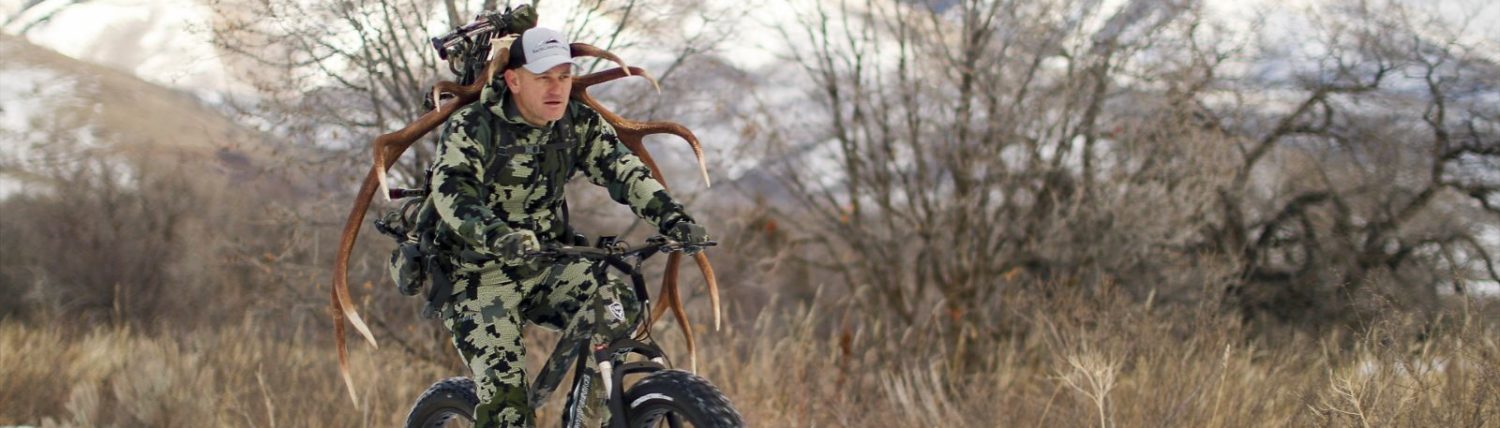

I’ll be honest, when a buddy told me he was going hunting in Hawaii, I thought he’d lost it. Then he showed me photos of axis deer on Lanai and wild goats on the Big Island, and I started looking at flights. Hawaii is nothing like the western mountain hunting I’m used to, but it’s legitimate. The terrain will surprise you, volcanic rock, jungle so thick you can’t see ten feet, and elevation changes from sea level to nearly 14,000 feet. It’s the weirdest hunting trip I’ve ever taken, and I’d go back tomorrow.
Hawaii Hunting Regulations Overview
The Hawaii Department of Land and Natural Resources (DLNR) manages hunting through its Division of Forestry and Wildlife. Hawaii uses a combination of public hunting areas with varying access rules, some require check-in stations, some are walk-in, and some require advance registration. Hunting licenses are required for all hunters, and both resident and nonresident licenses are available. No hunter education certificate is required if you already hold a valid hunting license from another state, but first-time hunters need to complete the course.
Hawaii has both general hunting seasons and special hunts with limited entries. Seasons vary by island and hunting area. Many game mammals have extended seasons or are open year-round because they’re non-native species that the state manages as invasives. This is unusual compared to mainland hunting, the state often wants you to take more animals, not fewer.
There’s no draw system comparable to western states. Most hunting is done on designated public hunting areas, and some private ranches offer guided hunts. Game bird hunting has defined seasons, typically from November through January, depending on species and island. For complete regulations and hunting area information, visit the DLNR hunting page.
E-Bike Regulations for Hunters in Hawaii
Updated March 2026, E-bike regulations are constantly evolving. Always check the rules for your local jurisdiction before heading out.
Hawaii’s ebike regulations for hunting are less developed than most mainland states. The state classifies ebikes under the standard three-class system for road use, treating them as bicycles. But on public hunting areas managed by DLNR, the rules are specific to each area.
Many public hunting areas restrict motorized vehicle access to designated roads or prohibit it entirely. Whether ebikes fall under “motorized vehicle” restrictions in Hawaii’s hunting areas isn’t always clearly defined in the regulations. The safest approach is to check with the specific DLNR office responsible for the island and hunting area you’re planning to visit. Some areas are accessible only on foot, and an ebike won’t help you there regardless of the rules.
On National Park lands (Haleakala, Hawaii Volcanoes), hunting is not permitted, and ebikes are restricted to paved roads. Private ranch hunts may have their own ebike policies, ask the outfitter. The practical reality is that ebike use for hunting in Hawaii is limited compared to mainland western states, but where road access exists on public hunting areas, an ebike can be a useful tool for covering ground.
Top Game Species
- Axis Deer, Found on Maui, Molokai, and Lanai. Considered the most beautiful deer in the world. Year-round season in many areas. Excellent eating, possibly the best venison you’ll ever taste.
- Feral Goat, Found on Hawaii (Big Island) and Maui. Open year-round in most hunting areas with liberal bag limits. Challenging in steep, rocky volcanic terrain.
- Feral Pig, Found on all major islands. Year-round season. Hunting pigs in Hawaiian jungle is a unique experience, thick vegetation and steep ground. Dogs are commonly used.
- Mouflon Sheep, Found on Hawaii (Big Island) and Lanai. Year-round season in many areas. Rams are a real trophy and the mountain hunting is demanding.
- Wild Turkey, Found on several islands. Fall and spring seasons available depending on location.
- Game Birds, Francolin, chukar, pheasant, and quail on various islands. Seasonal hunts, typically November through January.
Best Regions for E-Bike Hunting
Mauna Kea / Mauna Loa Slopes (Big Island). The upper slopes of Hawaii’s big volcanoes offer access to mouflon sheep and feral goat hunting via 4WD roads. These roads climb through open grassland and lava fields where an ebike can cover distance efficiently. The terrain is rocky and the elevation gain is serious, you’ll go from 5,000 to 10,000+ feet.
Lanai, The island has extensive axis deer and mouflon populations. Private ranch hunts (Pulama Lanai manages much of the island) may allow ebike access on ranch roads. Public hunting is more limited but available. Check with local operators about access options.
Maui, Kahikinui / Kaupo Area, The dry side of Haleakala offers axis deer hunting on rough ranch and forest roads. An ebike can help navigate the long access roads through this arid, steep landscape. Some public hunting access is available through DLNR.
Practical Tips for E-Bike Hunting in Hawaii
-
Volcanic rock destroys tires. I’m not exaggerating, lava rock is like riding on broken glass. Run the toughest tires you can find, use sealant, and carry a patch kit. I had two flats in one day on the Big Island.
-
Humidity and salt air are murder on bikes. If you’re hunting near the coast or in the jungle, the moisture and salt will corrode your chain, derailleur, and electrical connections fast. Wipe the bike down after every ride and keep connectors dry. A can of electrical contact cleaner is worth its weight.
-
Don’t underestimate the jungle. Lowland pig hunting areas are often dense tropical forest. Your ebike gets you to the edge, but once you’re in the thick stuff, it’s machete-and-dogs territory. An ebike is a road/trail tool here, not a cross-country machine.
-
Shipping your bike to Hawaii costs real money. Factor in the cost of flying with your ebike or shipping it via cargo. Lithium batteries on planes have restrictions, check with your airline. Some hunters rent bikes on-island, but good luck finding a hunting-capable ebike at a rental shop in Kona.
-
Talk to locals. Hawaiian hunting culture is strong and generous if you approach it right. Local hunters know the land, the animals, and the access points. Be respectful, ask questions, and don’t roll in acting like you know everything because you hunt elk on the mainland. I say this from experience.
The Bottom Line
Hawaii isn’t where most hunters think to go, and that’s part of what makes it special. It’s a completely different hunting experience, tropical terrain, unique species, and a hunting culture that doesn’t look like anything on the mainland. An ebike has limited but real applications here, especially on the Big Island and Maui where road access to upper elevations matters. If you’re building out a versatile hunting ebike that can handle Hawaii’s volcanic terrain and your usual mainland hunting, you can find solid options at ebikegeneration.com/?aff=76, look for fat tire models with tough sidewalls.
Resources & Contacts
Hawaii Department of Land and Natural Resources (DLNR). Division of Forestry and Wildlife
– Website: dlnr.hawaii.gov
– Hunting Information: dlnr.hawaii.gov/hunting
– Phone: (808) 587-0166
Public Hunting Areas
– DLNR Hunting Area Maps
– Phone: (808) 587-0166
State Public Lands
– DLNR Division of Forestry and Wildlife