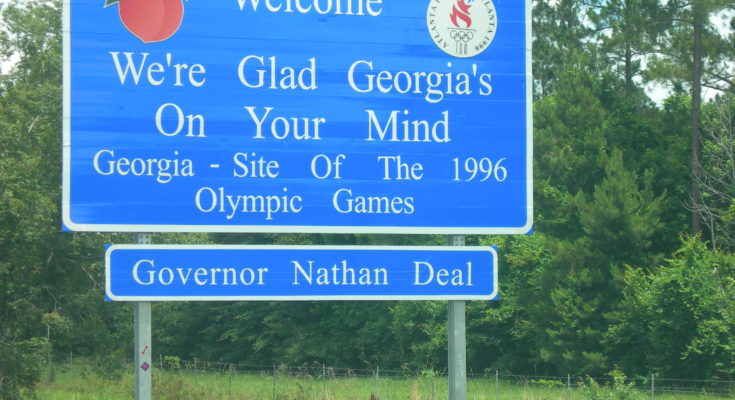
Georgia is Florida’s cooler, hillier, slightly more put-together neighbor, and I mean that as a compliment. I drive up to south Georgia every November like clockwork because the rut hits different up there, those Peach State bucks lose their minds in a way that Florida deer just don’t. Plus, Georgia’s got everything from Appalachian mountain hollows to coastal salt marshes, with a pile of public land in between. I once saw a 160-class buck cross a gas line right-of-way on a WMA outside Macon, and I’ve been chasing that ghost ever since.
Georgia Hunting Regulations Overview
Georgia hunting licenses are managed by the Georgia Department of Natural Resources (DNR), Wildlife Resources Division. Residents and non-residents can purchase licenses online, and the state offers various combination options. A big game license is required for deer, bear, and turkey. You’ll also need a free Harvest Record to report your kills. Georgia uses the GoOutdoorsGeorgia system for this. Hunter education certification is required unless you qualify for an exemption.
Georgia’s deer season is generous, with archery opening in mid-September in most parts of the state and primitive weapons and firearms seasons following through mid-January. The state is divided into regions with slightly different dates, and bag limits are structured with either-sex days varying by county. Some counties have earned antler restrictions or quality buck management designations, so research your specific county before hunting. Spring turkey season typically runs from late March through mid-May.
Feral hogs are classified as non-game animals and can be taken year-round on private land with no bag limit. Bear hunting is available by permit in north Georgia counties and a few areas in the central part of the state. Georgia also offers alligator hunting through a lottery system for specific zones. Dove, waterfowl, and small game round out a full calendar of opportunity. Verify current dates and limits with the Georgia DNR, they publish an excellent annual hunting regulations guide.
E-Bike Regulations for Hunters in Georgia
Updated March 2026, E-bike regulations are constantly evolving. Always check the rules for your local jurisdiction before heading out.
Georgia’s stance on ebikes for hunting access is an area that hunters need to navigate carefully. The state recognizes three classes of ebikes under transportation law, but the application to WMAs and public hunting lands is governed by the Georgia DNR’s specific area regulations.
On Georgia WMAs, the general rule is that motorized vehicles are restricted to designated roads. Many WMAs have specific sections about vehicle use in their area regulations, and ebikes, as motorized devices, typically fall under these restrictions. Some WMAs allow ATVs on specific trails, and ebikes may be acceptable on those same routes, but this is not universal. The Georgia DNR publishes WMA-specific regulation sheets that spell out vehicle access rules. These are your bible, download them, print them, and keep them in your pack. If a WMA reg sheet doesn’t mention ebikes specifically, call the local game warden or WMA manager to clarify before riding in.
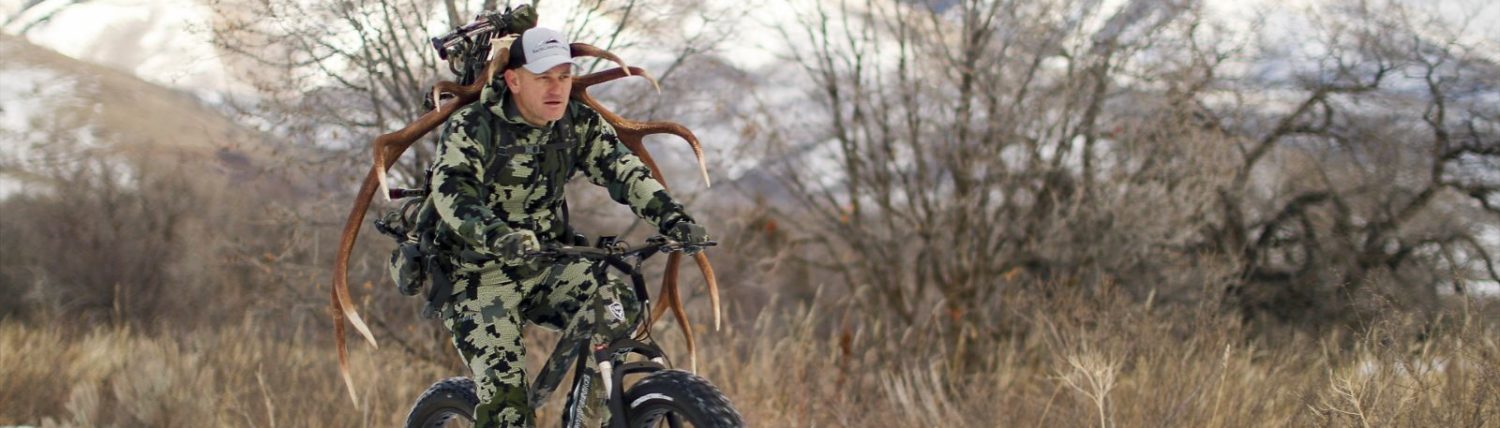
National forest land in Georgia, primarily the Chattahoochee-Oconee National Forest, follows Forest Service rules. Ebikes are permitted on routes designated for motorized use per the forest’s MVUM. On private land, Georgia hunters are free to use ebikes with the landowner’s blessing, and the state’s extensive timber company holdings and hunting leases make this the most practical application for most hunters.
Top Game Species
- White-tailed Deer, Georgia is a legitimate trophy whitetail state. The middle Georgia Piedmont region, in particular, produces mature bucks that’ll make your jaw drop. The season runs from September through January, with peak rut activity typically hitting in late October through November depending on the region.
- Eastern Wild Turkey, Georgia’s got a strong turkey population, and the spring season is a highlight. Gobblers in the longleaf pine and hardwood bottoms of south Georgia are vocal and workable, making for outstanding hunts.
- Feral Hogs, Widespread across the state, especially in the Coastal Plain and Piedmont regions. Year-round, no limit on private land. South Georgia hog hunting on agricultural land is phenomenal, they tear up peanut fields like it’s their job, because it basically is.
- Black Bear, North Georgia’s mountain counties and parts of the Ocmulgee corridor hold huntable bear populations. Seasons are limited, and some units fill quickly, so monitor harvest reports during the season.
- Alligator, Georgia’s gator hunt operates through a lottery system, with hunts available in coastal and south Georgia zones. It’s a newer program compared to Florida or Louisiana, but the opportunity is real and growing.
- Dove, Georgia’s dove fields, especially around agricultural areas in the Piedmont and Coastal Plain, offer classic opening-day shoots that are a September tradition.
Best Regions for E-Bike Hunting
The Georgia Piedmont (Putnam, Jones, Jasper, Hancock Counties). The rolling red clay hills of middle Georgia are prime whitetail country. Large timber tracts and hunting clubs dominate the landscape, with miles of logging roads connecting food plots, creek bottoms, and ridge stands. This terrain is made for ebikes, the hills are moderate enough to handle on pedal-assist, and the red clay roads are mostly firm when dry. This is where Georgia grows its biggest bucks.
South Georgia Plantation Country (Baker, Mitchell, Dougherty Counties). The agricultural flatlands of southwest Georgia are dove, quail, deer, and hog heaven. The terrain is flat and open with pine plantations and hardwood drainages cutting through farmland. Ebike access is easy on the flat terrain, and you can cover enormous distances on a charge. The hog hunting on private agricultural land down here is world-class, those peanut and corn fields draw pigs from miles around.
The Ocmulgee River Corridor, From Macon south to the coast, the Ocmulgee and its tributaries create a ribbon of bottomland hardwood forest loaded with deer, turkey, hogs, and even bears in some stretches. Several WMAs along the river offer public access, and the flat river-bottom terrain is perfect for ebike travel on levee roads and old logging trails. Flooding can limit access in wet seasons, so check conditions.
Practical Tips for E-Bike Hunting in Georgia
Red clay is no joke. Georgia’s famous red clay turns into a slippery, sticky mess after rain, it’s worse than sand because it cakes onto everything. Your tires, your fenders, your chain, all coated. Avoid clay roads within 24 hours of heavy rain, and carry a stick or tool to scrape out your fenders if they pack up. I learned this the hard way on a WMA outside Milledgeville.
Georgia’s rut timing varies dramatically by region. The rut in north Georgia can hit in late October, while south Georgia bucks might not chase until late November or even December. Use your ebike to scout different areas and adjust your timing based on sign. Fresh rubs and scrapes don’t lie.
Ticks and chiggers are savage from April through November. Georgia grows some of the most aggressive lone star ticks I’ve encountered anywhere in the Southeast. Permethrin-treated clothing is mandatory, not optional. Tuck your pants into your socks, spray your bike seat and pack, and check yourself thoroughly after every ride.
Use the gas line rights-of-way. Georgia has an extensive network of natural gas pipeline corridors that cut through timber land, creating long, narrow openings. These are deer travel corridors and excellent food plot locations. Many are accessible by ebike from nearby roads, and they’re often overlooked by other hunters who stick to established stands.
Early season means early mornings mean fog. Georgia’s September archery opener comes with heavy morning fog in the river valleys and Piedmont hollows. Ride slow, use your lights, and give yourself extra time. The upside is that fog holds scent down and keeps deer moving later into the morning.
The Bottom Line
Georgia is a Southeast hunting powerhouse, trophy whitetails, excellent turkey hunting, year-round hog action, and a growing gator program, all spread across a landscape that ranges from mountains to marshes. An ebike gives you a serious edge in this state, particularly on those big timber leases where the walk to your stand might be two miles down a logging road. If you’re putting together a hunting ebike setup for Georgia’s terrain, the folks at ebikegeneration.com/?aff=76 have options that’ll handle everything from Piedmont clay to Coastal Plain sand without missing a beat.
Resources & Contacts
Georgia Department of Natural Resources, Wildlife Resources Division
– Website: georgiawildlife.com
– Hunting Regulations: georgiawildlife.com/hunting/regulations
– Phone: (770) 918-6416
Wildlife Management Areas
– WMA Listings & Maps
– Phone: (770) 918-6416
National Forests in Georgia
– Chattahoochee-Oconee National Forest | MVUMs
State Forests & Public Hunting Land
– Georgia Public Hunting via GoOutdoorsGeorgia
– Georgia WMA Interactive Map