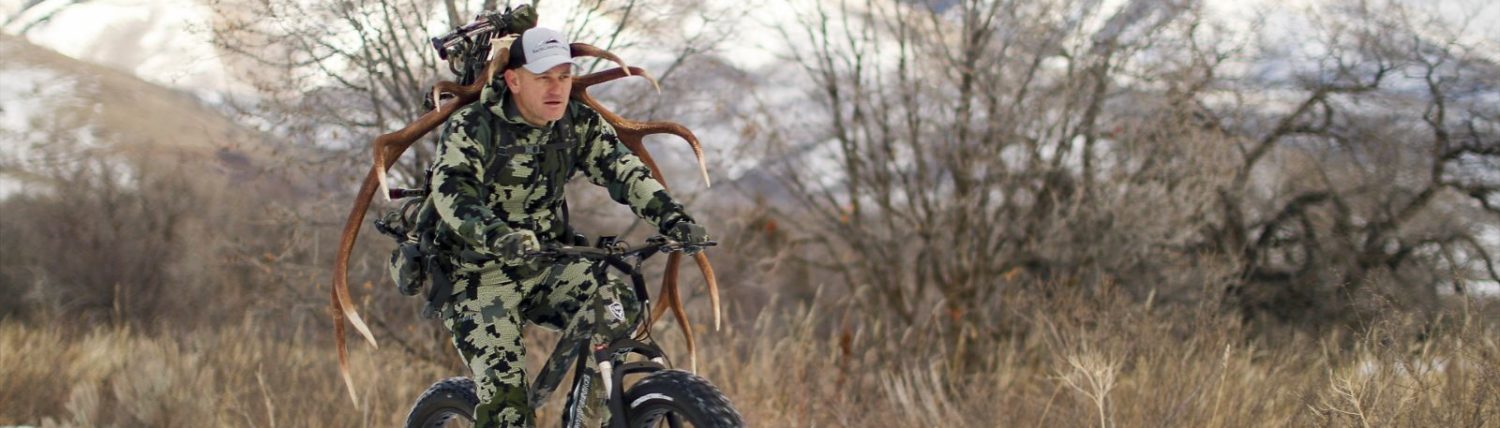
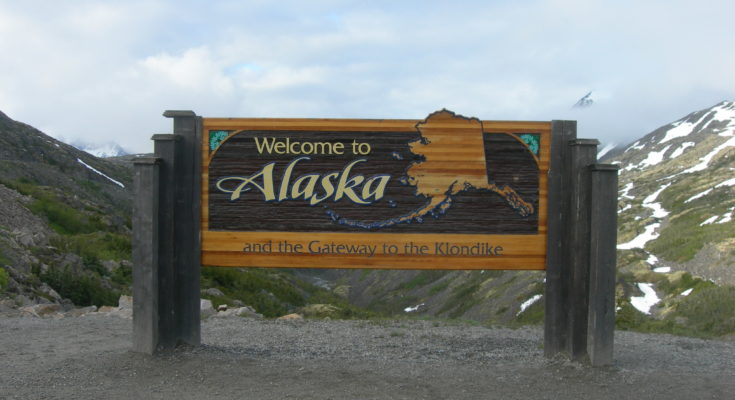
Alaska is the one state that humbles everybody. I don’t care how many elk you’ve packed out of the Colorado backcountry, nothing prepares you for the sheer scale of this place. I spent two weeks on the Kenai Peninsula a few years back chasing moose, and I still think about the mud. The kind of mud that swallows boots and doesn’t give them back. An ebike up there isn’t a luxury, it’s the difference between covering ground and not.
Alaska Hunting Regulations Overview
Alaska operates on a combination of general season hunts and drawing permits, depending on species and Game Management Unit (GMU). The state is divided into 26 GMUs, each with its own bag limits, season dates, and access rules. Resident and nonresident hunters both need a valid hunting license, and most big game species require a harvest ticket or a drawing permit. Nonresidents hunting brown bear, Dall sheep, or mountain goat must use a registered guide, no exceptions.
Seasons vary widely by GMU and species. Moose seasons generally run from August through September, with some late-season hunts extending into November. Caribou hunts can open as early as July in some units. The Alaska Department of Fish and Game (ADF&G) publishes detailed regulation booklets for each GMU, and you need to study the one that applies to your hunt. Don’t assume one unit’s rules apply to another, they rarely do.
One thing worth noting: Alaska has a strong “fair chase” ethic baked into its regulations. Same-day airborne hunting restrictions apply to certain species, and there are specific rules about motorized vehicle use in different areas. Always check the current ADF&G regulations before planning your hunt.
E-Bike Regulations for Hunters in Alaska
Updated March 2026, E-bike regulations are constantly evolving. Always check the rules for your local jurisdiction before heading out.
Here’s where it gets complicated. Alaska doesn’t have a single statewide policy on ebikes for hunting. Instead, it depends on who manages the land you’re riding on. On state-managed lands, ebikes are generally treated as motorized vehicles, which means they’re subject to the same trail and area restrictions as ATVs and motorcycles. Some areas allow motorized access; many don’t, especially during certain seasons.
On federal lands, and Alaska has an enormous amount of federal land, the rules vary by agency. National Park Service lands generally prohibit ebikes on unpaved surfaces. National forests (Tongass and Chugach) follow U.S. Forest Service policy, which allows Class 1 ebikes on roads and trails open to motorized use. Check the Motor Vehicle Use Map (MVUM) for whichever forest you’re planning to hunt. BLM land in Alaska follows similar guidelines, but specific travel management plans can restrict access. National Wildlife Refuges, which cover massive swaths of the state, have their own rules and generally restrict motorized use heavily.
The practical reality is that ebikes are most useful in Alaska on established roads, old mining roads, and trails explicitly open to motorized travel. Check the specific land management agency for your hunting area before you load the bike on the bush plane. And yes, getting your ebike to remote Alaska often means a float plane or a boat, which adds its own layer of logistics.
Top Game Species
- Moose, Alaska holds the largest moose population in North America. Bulls can top 1,500 pounds, and the pack-out is legendary. Seasons generally run August through September depending on GMU.
- Caribou, Multiple herds across the state with varying population health. Some units offer generous bag limits; others are tightly restricted. Seasons can start as early as July.
- Dall Sheep, The only wild white sheep in North America. Rams-only hunting in most units. This is a mountain hunt that demands serious fitness.
- Brown/Grizzly Bear, Found across most of the state. Nonresidents must hire a guide. Spring and fall seasons available in many GMUs.
- Sitka Blacktail Deer, Found in Southeast Alaska and Kodiak Island. Smaller than mule deer but excellent table fare. Generous bag limits in many areas.
- Black Bear, Widely distributed with liberal seasons and bag limits in most of the state.
Best Regions for E-Bike Hunting
Kenai Peninsula, Relatively accessible by Alaska standards, with a road system and established trail network. Good moose, black bear, and mountain goat hunting. Some trails accommodate motorized use, making ebikes practical for covering ground between glassing points.
Matanuska-Susitna Valley, The Mat-Su area north of Anchorage has a mix of roads, old mining trails, and ATV routes that work well for ebikes. Moose hunting is the big draw, and an ebike can help you get past the crowds near road-accessible areas.
Denali Highway Corridor, The mostly-gravel Denali Highway between Paxson and Cantwell offers access to vast caribou and moose country. Side trails and old mining roads provide opportunities to push deeper into the backcountry with an ebike.
Practical Tips for E-Bike Hunting in Alaska
-
Battery life in cold weather is a real problem. Alaska hunts often happen in near-freezing or below-freezing temps. Expect to lose 20-30% of your battery capacity in cold conditions. Bring a spare battery and keep the one you’re not using inside your sleeping bag at night.
-
Tires matter more here than anywhere. You need fat tires, 4 inches minimum, for the soft tundra, gravel, and mud you’ll encounter. A standard mountain bike tire will sink and spin. Check out our Best Electric Hunting Bikes guide for rigs built for this kind of terrain.
-
Don’t underestimate the weight problem. You’re not just riding the bike, you’re hauling it on a plane or a boat, then riding it with gear, then potentially loading it with 100+ pounds of meat. Make sure your ebike’s payload capacity can handle it, and practice riding loaded before you’re 50 miles from the truck.
-
Bears are everywhere. This isn’t Colorado where you might see a black bear once a season. In Alaska, bear encounters are routine. Carry bear spray accessible on your person while riding, and have a plan for storing meat away from your bike and camp.
-
Have a backup plan for the bike. If your ebike breaks down in remote Alaska, you’re walking. Bring basic tools, a spare tube, and know how to do field repairs. There’s no bike shop in the backcountry.
The Bottom Line
Alaska is the ultimate hunting destination, and an ebike can genuinely extend your range in a state where distance is the defining challenge. Just don’t expect it to be simple, this state demands preparation, redundancy, and respect for the country. If you’re thinking about putting together an Alaska-capable rig, you can find solid hunting ebike options at ebikegeneration.com/?aff=76 that are built tough enough for the job.
Resources & Contacts
Alaska Department of Fish and Game (ADF&G)
– Website: www.adfg.alaska.gov
– Hunting Regulations: adfg.alaska.gov/hunting
– Phone: (907) 465-4100
Wildlife Management Areas
– ADF&G Refuges & Management Areas
– Phone: (907) 465-4100
National Forests in Alaska
– Tongass National Forest | MVUM (check Tongass listings)
– Chugach National Forest | MVUM (check Chugach listings)
BLM Alaska
– Website: www.blm.gov/alaska
– Phone: (907) 271-5960
State Public Lands
– Alaska DNR Division of Parks & Outdoor Recreation