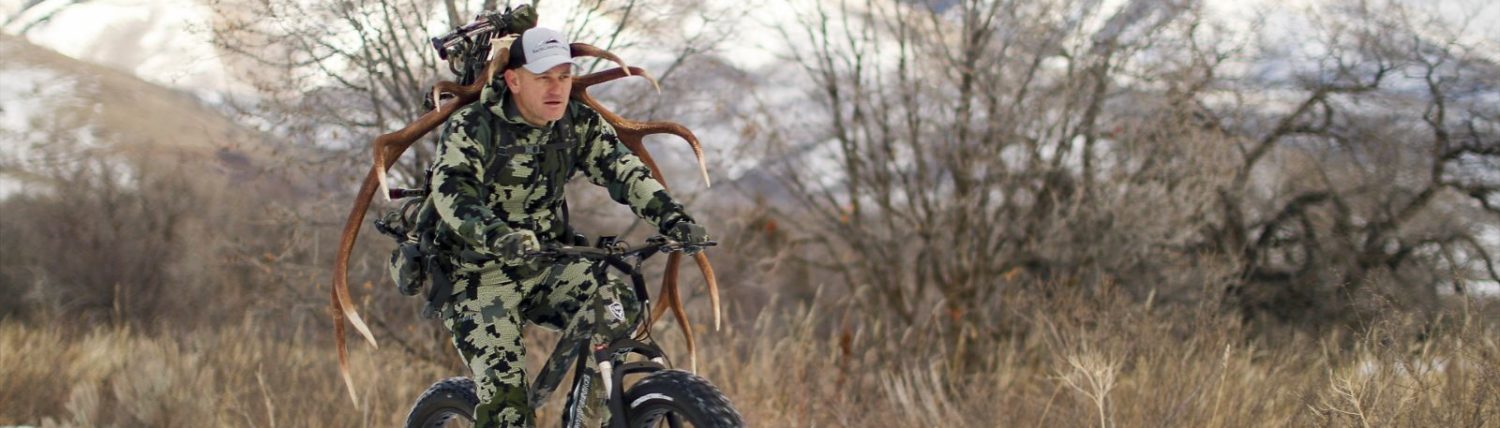
Oregon doesn’t get the attention that Colorado and Montana get in the hunting world, and the people who hunt here would like to keep it that way. I chased Roosevelt elk in the Coast Range one year and came home with a new respect for how thick timber can get. I’m talking ferns taller than you, moss on everything, and visibility measured in feet. Then I hunted mule deer in the high desert east of Bend and felt like I was back in Nevada. Oregon is two completely different states separated by a mountain range, and both halves have something to offer a hunter.
Oregon Hunting Regulations Overview
The Oregon Department of Fish and Wildlife (ODFW) manages hunting through a combination of general season tags and controlled hunts (draw). General season archery and rifle tags for deer and elk are available over the counter in many units. Controlled hunts for premium units and certain seasons require applying through the draw. Oregon uses a preference point system for controlled hunts.
The state is divided into wildlife management units, and regulations vary significantly between them. Eastern Oregon units tend to have more OTC opportunities, while western Oregon Roosevelt elk and some coastal deer hunts may require controlled hunt tags. Seasons generally run from late August (archery) through November (rifle), with some extended seasons for antlerless animals.
Oregon requires a hunting license, a valid tag for each species, and completion of a hunter education course. The state has some unique rules, for example, Oregon prohibits the use of dogs for hunting bears and cougars (passed by ballot measure). Always check the current ODFW regulations for your specific unit and season.
E-Bike Regulations for Hunters in Oregon
Updated March 2026, E-bike regulations are constantly evolving. Always check the rules for your local jurisdiction before heading out.
Oregon has been relatively progressive with ebike policy. State law classifies ebikes using the three-class system, and the Oregon Parks and Recreation Department has established rules for ebike use on state trails. However, hunting-specific use depends on the land management agency.
On ODFW-managed wildlife areas, ebikes are generally treated as motorized vehicles and restricted to roads open to motor vehicle traffic. Some wildlife areas have seasonal vehicle closures during hunting periods. On Oregon state forests managed by the Oregon Department of Forestry (ODF), ebike access varies, some forest roads are gated during certain seasons, and the gates apply to all motorized vehicles including ebikes.
Federal land is where the ebike really shines in Oregon. The state has multiple national forests (Deschutes, Fremont-Winema, Malheur, Ochoco, Umatilla, Wallowa-Whitman, Willamette, Mt. Hood, Siuslaw, Rogue River-Siskiyou, and Umpqua) with extensive road networks. USFS policy allows Class 1 ebikes on motorized-designated routes per the MVUM. BLM manages significant acreage in central and southern Oregon, with the same designated-route policy. Wilderness areas, and Oregon has many, are closed to all motorized and mechanized transport.
Top Game Species
- Roosevelt Elk, The coastal and Cascade Range herds are the draw. Roosevelt bulls are massive-bodied, and the old-growth timber hunting is a unique experience. OTC tags available in many western Oregon units.
- Rocky Mountain Elk, Eastern Oregon holds strong herds. Some of the best units are controlled hunt only, but general season opportunities exist. The Blue Mountains and Wallowa country are prime.
- Mule Deer, Eastern Oregon’s high desert and mountain country hold good mule deer numbers. The Hart Mountain area and Steens Mountain are notable.
- Blacktail Deer, Western Oregon’s signature species. Dense timber hunting in the Coast Range and western Cascades. OTC tags and long archery seasons.
- Black Bear, Found in forested areas across the state. Spot-and-stalk only (no hounds). Fall seasons with OTC tags.
- Pronghorn, Southeast Oregon’s high desert. Controlled hunts with reasonable odds. The Hart Mountain National Antelope Refuge area is iconic.
Best Regions for E-Bike Hunting
Blue Mountains / Wallowa-Whitman National Forest. Northeastern Oregon’s Blue Mountains hold some of the state’s best elk and mule deer hunting. The forest road network is extensive, climbing through ponderosa pine and mixed conifer to high-country meadows. An ebike is perfect for the long forest road approaches that separate the trailhead crowds from the productive backcountry.
Fremont-Winema National Forest / High Desert (Units 28-31). The country east of Klamath Falls transitions from pine forest to juniper and sage. Mule deer and pronghorn country with a network of forest and BLM roads. The distances are long, the terrain is open, and an ebike covers ground efficiently.
Ochoco National Forest (Units 27, 52). Central Oregon’s Ochoco Mountains are underrated for both elk and mule deer. The forest road system provides good access, and the area sees less pressure than the more famous Blue Mountains to the northeast. Rolling, timbered country that’s ideal for ebike-assisted hunting.
Practical Tips for E-Bike Hunting in Oregon
-
West side and east side are different planets. Western Oregon hunts mean rain, mud, dense timber, and roads that turn to slop by October. Eastern Oregon hunts mean dry, dusty roads, big country, and extreme temperature swings. Set up your ebike for the side of the state you’re hunting, fat tires for the west, standard knobby tires for the east.
-
Logging roads are your highway system. Oregon’s national forests and state forests have been extensively logged, leaving behind a dense network of logging roads. Many are on the MVUM and open to motorized use. These roads are your ebike network, and they access some of the best hunting in the state.
-
Rain is the constant on the west side. If you’re hunting Roosevelt elk or blacktail in western Oregon, it’s going to rain. Your ebike needs to handle wet conditions, fenders help, waterproof your electrical connections, and carry a rain cover for the battery. Wet brakes also need more stopping distance on steep descents.
-
Eastern Oregon is big and empty. The southeast corner of the state is some of the most remote country in the Lower 48. Cell service is nonexistent, gas stations are 80 miles apart, and if something goes wrong, you’re on your own. Carry a satellite communicator and tell someone your plan.
-
Gate closures change your plan. Oregon’s forests use gates extensively to manage road access. A road that’s open in September might be gated shut by October. Check with the local ranger district about gate schedules before you plan an ebike route around a specific forest road.
The Bottom Line
Oregon is a diverse, underappreciated hunting state with mountains of public land and a forest road network that was practically built for ebike hunting. Whether you’re chasing Roosevelt elk in the Coast Range rain or mule deer in the high desert sun, an ebike extends your range on the roads that connect the trailhead to the good stuff. If you’re putting a rig together for Oregon, you can find solid hunting ebike options at ebikegeneration.com/?aff=76, pick one that can handle moisture if you’re heading west of the Cascades.
Resources & Contacts
Oregon Department of Fish and Wildlife (ODFW)
– Website: www.dfw.state.or.us
– Hunting Regulations: dfw.state.or.us/resources/hunting
– Phone: (503) 947-6000
Wildlife Management Areas
– ODFW Wildlife Areas
– Phone: (503) 947-6000
National Forests in Oregon
– Deschutes National Forest | check for MVUM under Maps & Publications
– Fremont-Winema National Forest | check for MVUM under Maps & Publications
– Malheur National Forest | check for MVUM under Maps & Publications
– Mt. Hood National Forest | check for MVUM under Maps & Publications
– Ochoco National Forest | check for MVUM under Maps & Publications
– Rogue River-Siskiyou National Forest | check for MVUM under Maps & Publications
– Siuslaw National Forest | check for MVUM under Maps & Publications
– Umatilla National Forest | check for MVUM under Maps & Publications
– Umpqua National Forest | check for MVUM under Maps & Publications
– Wallowa-Whitman National Forest | check for MVUM under Maps & Publications
– Willamette National Forest | check for MVUM under Maps & Publications
BLM Oregon/Washington
– Website: www.blm.gov/oregon-washington
– Phone: (503) 808-6001
State Public Lands
– Oregon Department of State Lands
– Oregon Department of Forestry, State Forests