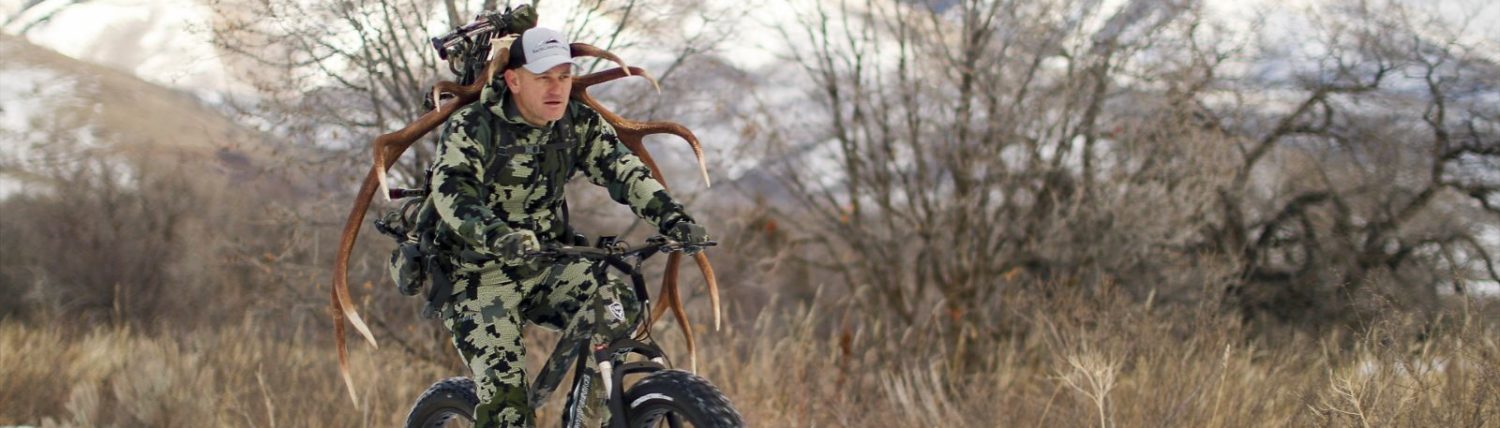
Missouri flies under the radar, and the hunters who know it well like it that way. I’ve been hunting the Ozark timber for years, and the combination of public land access, quality deer, and world-class turkey hunting makes this one of the most underrated hunting states in the Midwest. My best gobbler ever came from a Mark Twain National Forest ridge in Shannon County, a bird that hammered at every call for forty-five minutes before he finally committed. Missouri turkeys will test your patience, and that’s a compliment.
Missouri Hunting Regulations Overview
The Missouri Department of Conservation (MDC) administers hunting permits, and yes, Missouri calls them “permits” rather than “licenses.” Residents enjoy very affordable permit prices, and Missouri is generally welcoming to non-resident hunters with over-the-counter deer and turkey permits available. Hunter education is required for all hunters born on or after January 1, 1967.
Missouri’s deer season includes an archery season from mid-September through mid-November, then reopening after firearms season through mid-January. The November firearms season typically runs about ten days. An additional antlerless-only firearms portion and a muzzleloader season follow in December and January. Missouri uses a two-buck limit statewide and manages deer through County Permits that allow additional antlerless harvest. Spring turkey season runs across April and May with a generous three-bird limit across multiple periods. Missouri’s Conservation Areas provide extensive public hunting access throughout the state. Always check MDC for current season structures and any zone-specific regulations. For complete season dates and regulations, visit the MDC hunting page.
Missouri also offers managed deer hunts on select conservation areas with limited entries, these can provide outstanding opportunities on well-managed ground.
E-Bike Regulations for Hunters in Missouri
Updated March 2026, E-bike regulations are constantly evolving. Always check the rules for your local jurisdiction before heading out.
Missouri has adopted the three-class ebike framework at the state level. Class 1, 2, and 3 ebikes are distinguished by their motor type and speed capabilities. On state roads and some trail systems, ebikes are treated similarly to bicycles.
On Missouri Conservation Areas, which number over 1,000 properties across the state, the MDC’s general regulations restrict motorized vehicle use to established public roads and designated parking areas. The MDC has not issued a comprehensive, statewide directive specifically addressing ebike use on conservation areas. In practice, this means ebikes with motors may be treated as motorized vehicles and restricted from trails and service roads within conservation areas. Contact your local MDC office to confirm the status of ebike access on specific properties.
The Mark Twain National Forest, spanning 1.5 million acres across southern Missouri, follows US Forest Service ebike policy. Consult the Mark Twain National Forest maps and publications page for Motor Vehicle Use Maps (MVUMs). Ebikes are generally permitted on roads and trails open to bicycle use. This is a significant advantage for hunters in the Ozarks, where forest roads wind through vast tracts of prime deer and turkey habitat. Missouri’s fragmented geography of conservation areas and national forest often means adjacent parcels have different rules, so know which land you’re on and what applies.
Top Game Species
- White-tailed Deer, Missouri consistently produces quality bucks, and the state’s liberal season structure gives you months to hunt. Northern Missouri’s agricultural counties grow big deer, while the Ozarks offer a more challenging, timber-based hunt.
- Wild Turkey, Missouri is one of the premier turkey states in the nation. A three-bird spring limit is generous, and gobbler populations are strong across most of the state. Ozark ridges and creek bottoms are classic gobbler country.
- Quail, Missouri has invested heavily in quail habitat restoration, and it shows. Northern and west-central Missouri offer some of the best bobwhite hunting in the Midwest.
- Squirrel, The state’s hardwood forests produce outstanding squirrel hunting. Missouri hunters take squirrel season seriously, and it’s a great early-season option.
- Waterfowl, The Missouri River corridor, Grand Pass Conservation Area, and managed wetlands across northern Missouri provide excellent duck and goose hunting.
Best Regions for E-Bike Hunting
Ozark Highlands (Shannon, Carter, Oregon Counties): This is the wild heart of Missouri. The Mark Twain National Forest dominates this region, and thousands of acres of public land are accessible via forest roads. The terrain is rugged, steep hollows, rocky ridges, and spring-fed creeks. An ebike with a strong mid-drive motor handles the forest roads well and gets you miles from the nearest parking lot. Deer and turkey hunting here is outstanding, and the solitude is real.
Northern Missouri Farm Country (Sullivan, Linn, Macon Counties): Rolling agricultural land with timbered draws and creek bottoms. This region grows big deer on a mix of public conservation areas and private land. The terrain is moderate and easy on ebike batteries. If you have private land access, an ebike is the perfect low-impact way to reach stands along crop field edges.
Southwest Missouri (Barry, Stone, Taney Counties): Where the Ozark Plateau meets the prairie, you’ll find a mix of timber, glades, and open ground. Turkey hunting in this region is phenomenal. The terrain is varied but generally rideable, and conservation areas in the region offer good public access.
Practical Tips for E-Bike Hunting in Missouri
-
Ozark rocks will punish your tires. Southern Missouri’s rocky terrain is beautiful but hard on equipment. Gravel and limestone chunks line the forest roads, and flats are a real possibility. Run puncture-resistant tires or carry a repair kit. I learned this the hard way on a cold November morning.
-
Three-bird turkey limits demand mobility. Missouri’s generous spring turkey bag means you can hunt hard for weeks. Use your ebike to access different ridges and hollows within a large area of national forest or conservation land. Gobblers that get pressured on one ridge may be untouched on the next one over.
-
Humidity and heat in early archery season. Missouri’s September archery opener can be hot and humid. Ride slowly to your stand, give yourself time to cool down, and hang your outer layer to air out. Scent management is everything in the early season.
-
Stream crossings are common. Ozark forest roads frequently cross creeks and branches. Most are passable on an ebike, but some run deep after rain. Waterproof your battery connections and be willing to walk your bike across when the water is up. Don’t submerge your motor.
-
Use conservation area maps. The MDC provides excellent maps of every conservation area in the state, showing roads, trails, parking areas, and habitat types. Download these before your trip and plan your ebike route to stay on legal roads. These maps are free and incredibly useful.
The Bottom Line
Missouri rewards hunters who put in the work and get away from the truck. With over a million acres of national forest and hundreds of conservation areas, there’s no shortage of ground to explore, and an ebike is one of the smartest ways to do it. The turkey hunting alone is worth the trip. If you’re looking for a hunting ebike that can handle Ozark terrain without breaking the bank, you can find solid options at ebikegeneration.com/?aff=76. Pick a ridge, call in a gobbler, and you’ll understand why Missouri hunters don’t want the word getting out.
Resources & Contacts
Missouri Department of Conservation (MDC)
– Website: mdc.mo.gov
– Hunting Regulations: mdc.mo.gov/hunting-trapping
– Phone: (573) 751-4115
Conservation Areas (Wildlife Management Areas)
– MDC Conservation Area Atlas
– Phone: (573) 751-4115
National Forests in Missouri
– Mark Twain National Forest | Maps & Publications (MVUMs)
State Forests & Public Hunting Land
– MDC Places to Go / Conservation Areas