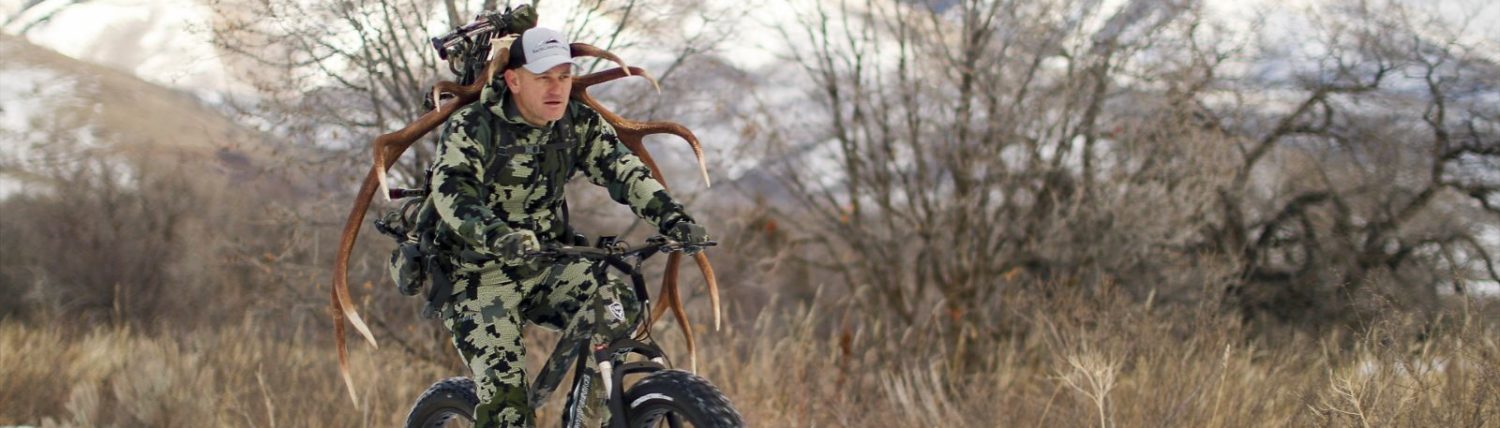
Minnesota is one of those states where hunting isn’t just a hobby, it’s part of the calendar. Opener weekend for firearms deer is practically a state holiday, and I’ve never met a Minnesotan who doesn’t have an opinion about which county grows the biggest bucks. I hunted the bluff country along the Mississippi one November and was blown away by both the terrain and the deer. If you think Minnesota is all flat, you haven’t been to the southeast corner.
Minnesota Hunting Regulations Overview
The Minnesota Department of Natural Resources (DNR) manages all hunting licenses, which can be purchased online or through authorized agents. Minnesota requires a Firearms Safety Certificate for anyone born after 1979. Deer licenses are zone-specific, and many zones use a lottery system for antlerless permits. Turkey tags are also drawn by lottery for spring season.
Deer season in Minnesota includes an archery season that opens in mid-September and runs into December. The firearms deer season is typically a 16-day stretch in early to mid-November, and muzzleloader season follows. Minnesota uses a zone and permit area system for deer, with specific bag limits and bonus permit availability varying by area. Spring turkey season runs from mid-April through May, with multiple time periods. Minnesota also offers excellent waterfowl, grouse, and pheasant seasons. Confirm all dates and permit area details with the Minnesota DNR before planning your hunt. For complete season dates and regulations, visit the Minnesota DNR hunting page.
Minnesota enforces blaze orange or blaze pink requirements during firearms deer season, at minimum a cap and upper body garment. This applies while moving to and from your stand as well.
E-Bike Regulations for Hunters in Minnesota
Updated March 2026, E-bike regulations are constantly evolving. Always check the rules for your local jurisdiction before heading out.
Minnesota adopted the three-class ebike system in 2019, classifying ebikes separately from motor vehicles for road and trail purposes. Class 1 and Class 2 ebikes are generally permitted on state trails where bicycles are allowed, including paved and natural-surface trails, unless specifically posted otherwise.
When it comes to public hunting land, the situation requires more attention. On Wildlife Management Areas (WMAs), which form the backbone of Minnesota’s public hunting access, motorized vehicles are generally prohibited except on designated routes. The Minnesota DNR has indicated that ebikes with motors are considered motorized vehicles on WMAs unless specific exceptions are made. This means that on most WMAs, you should not plan to ride your ebike beyond the parking area unless you’ve confirmed it’s permitted.
State forests offer more flexibility. Minnesota’s extensive state forest system includes a network of forest roads and trails, many of which are open to non-motorized use and may accommodate ebikes under the state’s classification system. National forests, the Superior and Chippewa, follow Forest Service policy and generally allow ebikes where bicycles are permitted. Check each forest’s maps and publications page for Motor Vehicle Use Maps (MVUMs): Superior NF maps | Chippewa NF maps. The bottom line in Minnesota: WMAs are likely off-limits for ebike riding, but state and national forest land often provides good ebike access. Always verify with the managing agency for your specific hunting area.
Top Game Species
- White-tailed Deer, Minnesota offers everything from farmland bucks in the south to timber-country deer in the north. The bluff country in the southeast produces some genuinely big deer. The firearms opener is a cultural institution.
- Wild Turkey, Turkey populations are well-established across southern and central Minnesota. Spring gobbler hunting is popular and productive, though tags are limited by lottery.
- Ruffed Grouse, The aspen forests of northern Minnesota are prime grouse habitat. The state regularly leads the nation in grouse harvest. Walking logging roads with a shotgun in October is a quintessential Minnesota experience.
- Pheasant, Southwest Minnesota remains strong pheasant country, with both public and private land opportunities. CRP acres and WMAs provide habitat.
- Waterfowl, Minnesota sits in the heart of the Mississippi Flyway, and the state’s 10,000-plus lakes provide incredible waterfowl habitat. Duck and goose hunting are a major draw.
- Black Bear, Northern Minnesota offers a quality bear hunt via lottery permit. Baiting is legal, and success rates are good.
Best Regions for E-Bike Hunting
Southeast Bluff Country (Houston, Fillmore, Winona Counties): This region looks more like West Virginia than Minnesota. Steep bluffs, deep coulees, and hardwood timber create challenging terrain with outstanding deer and turkey hunting. State forest land and some WMAs offer public access. An ebike handles the ridgetop roads and valley routes well, though the climbs will test your motor. The payoff is access to areas few hunters bother reaching.
Northern Forests (Beltrami, Itasca, Cass Counties): Vast state and national forest land with extensive road systems. This is grouse and deer country, and the terrain is gently rolling with good riding surfaces on forest roads. You can cover miles of logging roads on an ebike, hunting grouse along the way or accessing remote deer stands. The Chippewa National Forest offers particularly good access.
Southwest Prairie (Murray, Nobles, Cottonwood Counties): Flat agricultural country with WMAs scattered throughout for pheasant, waterfowl, and deer hunting. The flat terrain maximizes battery range, and you can use your ebike to move between multiple WMAs throughout the day, though remember to ride on roads, not within WMA boundaries where motorized restrictions may apply.
Practical Tips for E-Bike Hunting in Minnesota
-
Cold is the defining challenge. Minnesota in November can be brutal. Temperatures below zero are possible during firearms season, and single digits are common by late season. Cold decimates lithium battery performance, keep your battery warm until you’re ready to ride, and expect 25-40% range loss in bitter cold. Insulated battery covers are worth the investment.
-
Know the WMA rules before you ride. This is worth repeating: most Minnesota WMAs prohibit motorized vehicles including ebikes. Don’t be the person who gets a ticket because they assumed their pedal-assist bike was exempt. Call the area wildlife manager if you’re unsure.
-
Grouse hunting and ebikes are a natural fit. Ride forest roads in the northern timber, stopping to hunt promising-looking aspen cuts and alder bottoms along the way. You’ll cover far more ground than on foot, and the quiet ride won’t flush birds the way an ATV does. I keep my shotgun in a scabbard and stop whenever I see good cover.
-
Fall colors mean navigation challenges. When the leaves drop in October, the woods look completely different than they did during summer scouting. GPS is essential on Minnesota’s forest roads, they all start looking the same after a few miles. Mark your stands, your truck, and your route.
-
Dress for the ride, change for the sit. If you’re riding an ebike to a deer stand in cold weather, you’ll work up some warmth even with pedal-assist. Pack your heavy insulation layer in a bag and put it on when you reach your stand. Sweating on the ride in and then sitting in zero-degree air is a recipe for a very short hunt.
The Bottom Line
Minnesota is a state with incredible hunting diversity, from bluff-country whitetails to prairie pheasants to northern grouse. An ebike fits into this landscape in ways that make your hunting more efficient and more enjoyable, as long as you do your homework on where you can and can’t ride. For a reliable hunting ebike that can handle Minnesota’s cold and varied terrain, you can find solid options at ebikegeneration.com/?aff=76. Gear up, layer up, and get out there.
Resources & Contacts
Minnesota Department of Natural Resources (DNR)
– Website: dnr.state.mn.us
– Hunting Regulations: dnr.state.mn.us/hunting
– Phone: (651) 296-6157
Wildlife Management Areas
– Minnesota WMA Finder
– Phone: (651) 296-6157
National Forests in Minnesota
– Superior National Forest | Maps & Publications (MVUMs)
– Chippewa National Forest | Maps & Publications (MVUMs)
State Forests & Public Hunting Land
– Minnesota State Forests
– Minnesota Public Hunting Lands