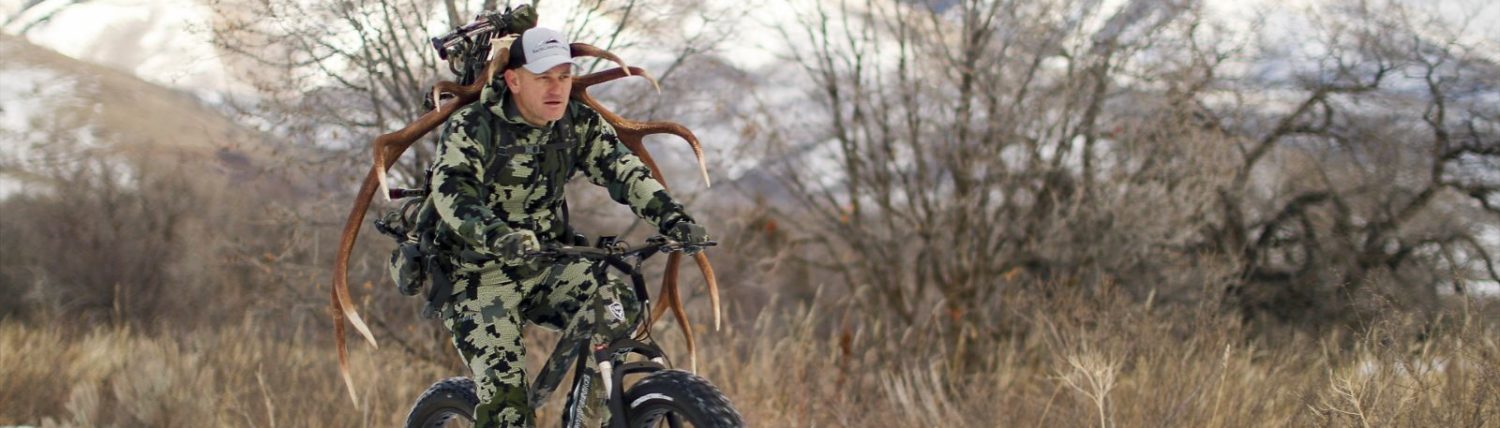
People hear “Arizona” and think cactus and strip malls. Those people haven’t hunted the Kaibab or spent a week glassing Coues deer on a hillside south of Tucson. Arizona is sneaky good hunting country, desert floor to 12,000-foot peaks, and the draw system means you’re not tripping over orange vests every hundred yards. I pulled a rifle elk tag on my third try and it was worth every year of waiting.
Arizona Hunting Regulations Overview
Arizona runs a draw-based system for most big game hunts through the Arizona Game and Fish Department (AZGFD). You apply in the spring for fall hunts, and the system uses a bonus point structure that rewards patience. Some species, like javelina and certain deer hunts, also have over-the-counter (OTC) tags available depending on the unit and weapon type. Both residents and nonresidents participate in the same draw, though residents get a fee break.
Licenses and tags are purchased through the AZGFD portal. You’ll need a general hunting license plus a tag for each species you’re pursuing. Arizona also requires completion of a hunter education course for first-time hunters. The state recognizes certifications from other states.
Seasons vary by unit and weapon type, archery, muzzleloader, and general (rifle) each have their own windows. Arizona is well known for its January rifle deer season in some units, which is unusual compared to most western states. Always verify current season dates and unit-specific rules through the AZGFD website, as regulations change frequently.
E-Bike Regulations for Hunters in Arizona
Updated March 2026, E-bike regulations are constantly evolving. Always check the rules for your local jurisdiction before heading out.
Arizona classifies ebikes into the standard three-class system (Class 1, 2, and 3). On state roads and highways, ebikes are treated like bicycles. But for hunting purposes, what matters is how they’re treated on the land you’re hunting.
On Arizona State Trust Land, which covers a huge portion of the state, you need a recreation permit just to be there, and motorized vehicle use is restricted to existing roads and trails. AZGFD generally treats ebikes as motorized vehicles for the purpose of off-highway travel restrictions. This means you’re limited to roads and trails open to motorized use. During certain hunts, there may be additional motorized access restrictions in specific units, check the hunt regulations for your unit.
On federal lands, the usual agency rules apply. National forests in Arizona (Kaibab, Coconino, Tonto, Apache-Sitgreaves, Coronado, Prescott) follow USFS travel management plans. Class 1 ebikes are typically allowed on trails designated for motorized use or non-motorized trails where the forest has specifically approved e-bike access. BLM land in Arizona generally allows Class 1 ebikes on roads and trails open to motor vehicles. National Wildlife Refuges and wilderness areas remain off-limits to all motorized and mechanized transport, including ebikes.
Top Game Species
- Elk, Arizona produces monster bulls, especially out of units like 1, 6A, and 9. Draw odds can be tough, but the quality is exceptional. Seasons span September through December depending on weapon type.
- Coues Whitetail, The “Grey Ghost” of the Southwest. A true spot-and-stalk challenge in rugged, brushy terrain. January seasons in southern units are the classic Coues hunt.
- Mule Deer, Found across the state from desert to high country. Some units produce excellent bucks. Archery in August, rifle seasons in October and December.
- Javelina, Arizona is the top javelina destination in the country. Seasons in January-February and archery hunts in the summer. Relatively easy to draw.
- Pronghorn, Limited permits but quality hunts on the grasslands of northern and central Arizona.
- Desert Bighorn Sheep, Once-in-a-lifetime tag. If you draw it, you’ve won the hunting lottery.
Best Regions for E-Bike Hunting
Kaibab Plateau (Units 12A/12B), The Kaibab is classic western hunting country with a network of forest roads perfect for ebike access. Ponderosa pine, mixed conifer, and meadows at elevation. An ebike lets you get past the truck hunters and into quieter pockets. Excellent for mule deer and elk.
Mogollon Rim Country (Units 6A/6B), The Rim stretches across central Arizona with rough forest roads and steep terrain. Lots of elk and turkey country. An ebike is ideal for covering the long forest roads between glassing points without burning your legs before the real hiking starts.
Southern Arizona Sky Islands (Units 33-36). The mountain ranges south of Tucson. Huachucas, Santa Ritas, Chiricahuas, are prime Coues deer country. Desert roads lead to mountain trails, and an ebike can save serious time on the approach. Just watch the elevation gain, you’ll go from 4,000 to 8,000 feet.
Practical Tips for E-Bike Hunting in Arizona
-
Heat will kill your battery and your enthusiasm. Early season hunts in Arizona mean triple-digit temps at lower elevations. Heat degrades lithium battery performance, so keep your battery shaded when you’re not riding. And carry twice the water you think you need.
-
Puncture-proof tires are worth the investment. Arizona is covered in things that want to puncture your tires, cactus spines, catclaw, sharp rocks. Run tubeless with sealant, or go with a solid tire setup. A flat 10 miles from the truck with a javelina on your back is no fun.
-
Dust is a factor. Fine Arizona dust gets into everything, chain, motor, bearings. Clean your drivetrain after every ride if you want the bike to last the season. A simple chain lube and rag go a long way.
-
Know your forest roads. Arizona forest roads range from graded gravel highways to rutted-out nightmares. Check conditions with the local ranger district before committing to a route. Some roads wash out during monsoon season and don’t get fixed until the following year.
-
Respect the draw system and plan early. If you’re building a hunt around ebike access, apply for units with good road networks. Look at the USFS Motor Vehicle Use Maps (MVUM) for your target unit before you apply, they’ll tell you exactly which roads are open to motorized use.
The Bottom Line
Arizona doesn’t get enough credit as a hunting state, and that’s fine with the people who hunt here. The draw system keeps pressure manageable, and the terrain variety is hard to beat. An ebike opens up a lot of country, especially on the miles of forest roads that connect the good stuff. If you’re looking to put a rig together for the desert Southwest, you can find solid hunting ebike options at ebikegeneration.com/?aff=76, just make sure you get something with tires that can handle the cactus.
Resources & Contacts
Arizona Game and Fish Department (AZGFD)
– Website: www.azgfd.com
– Hunting Regulations: azgfd.com/hunting/regulations
– Phone: (602) 942-3000
Wildlife Management Areas
– AZGFD Wildlife Areas
– Phone: (602) 942-3000
National Forests in Arizona
– Kaibab National Forest | check for MVUM under Maps & Publications
– Coconino National Forest | check for MVUM under Maps & Publications
– Tonto National Forest | check for MVUM under Maps & Publications
– Apache-Sitgreaves National Forests | check for MVUM under Maps & Publications
– Coronado National Forest | check for MVUM under Maps & Publications
– Prescott National Forest | check for MVUM under Maps & Publications
BLM Arizona
– Website: www.blm.gov/arizona
– Phone: (602) 417-9200
State Public Lands
– Arizona State Land Department Recreation Permits